The threshold of history
Professional wrestling is defined by the moments that rupture television ratings and spawn decade-long arguments. These ten instances represent the high-water marks of industry discourse, blending technical excellence with sheer, chaotic audacity.
The Ranking
1. The Montreal Screwjob, 1997. This remains the gold standard for blending reality with scripted drama. When Vince McMahon ordered the bell rung while Shawn Michaels applied the Sharpshooter, the business fundamentally changed. Bret Hart refusing to drop the title in his home country turned a contractual dispute into the most visceral TV moment in history.
2. Mankind takes the fall, 1998. Mick Foley falling off the top of the cell at Hell in a Cell defies logic even decades later. He suffered a dislocated jaw and a concussion, yet continued the match after being chokeslammed through the cage roof. It created a level of investment from fans that WWE has likely never replicated.
3. Hogan joins the nWo, 1996. Bash at the Beach provided the definitive heel turn for the primary babyface of the 1980s. When Hulk Hogan dropped the leg on Randy Savage and aligned with Scott Hall and Kevin Nash, it signaled the end of the cartoon era. It was a calculated business risk that birthed the most profitable period for WCW.
4. The Pipebomb, 2011. CM Punk sitting on the ramp provided an unscripted reality check that felt dangerous. He criticized the internal corporate structure and the hand-picked golden boys, shifting the audience toward a more cynical engagement. It forced a change in how WWE interacted with its own internal continuity.
5. Austin turns at WrestleMania X-Seven. Stone Cold Steve Austin aligning with Vince McMahon proved to be a polarizing booking masterstroke. It solidified the end of the Attitude Era, leaving fans confused and eventually resistant. While attendance numbers were high, the long-term impact on the product was arguably negative.
6. Brock Lesnar ends the Streak, 2014. The silence in the Superdome when the referee counted to three against The Undertaker was chilling. At 21-1, the streak was the most protected narrative device in the industry. Giving the win to Lesnar was a shock, though some critics argue it rendered the streak's value retroactively null.
7. The fingerpoke of doom, 1999. Kevin Nash gently pushing Hulk Hogan to win the title remains the most egregious example of booking malpractice in major league history. It actively drove viewers to change the channel during a live broadcast. This moment proved that even massive stars cannot paper over a total lack of narrative integrity.
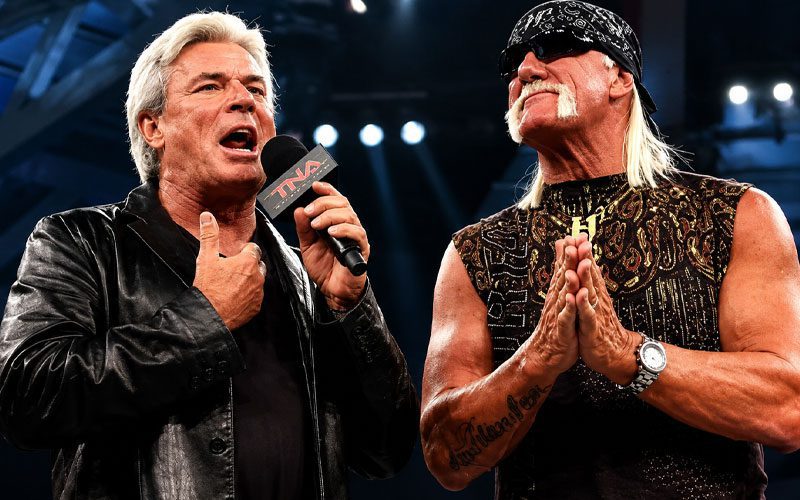
8. Bischoff and Hogan joining TNA. The accusations that these two arrivals killed TNA persisted for years, even as Eric Bischoff has consistently defended the move. Regardless of the intent, the company shifted toward a more chaotic and unpredictable style of booking that ultimately failed to displace WWE. It serves as a reminder that star power is not a substitute for coherent creative direction.
9. The Shield debuts, 2012. Dean Ambrose, Seth Rollins, and Roman Reigns attacking Ryback at Survivor Series instantly changed the hierarchy of the company. It established a trio that would dominate for a decade, proving that long-term character development produces better results than short-term cameos. Their impact remains felt in the current top-tier storylines.
10. The debut of Dynamite, 2019. The launch of All Elite Wrestling signaled the first significant competition for market share in nearly twenty years. It validated the talent pool outside of the mainstream, forcing a re-evaluation of how wrestlers are compensated and developed. It remains the most important structural shift in the industry's modern era.
The Big Picture
Moments matter only when they sustain interest. The best entries on this list generated years of secondary earnings and fan debate, while the worst actively alienated loyal viewers. Wrestling succeeds when it leans into the friction between expectation and reality.
Honorable Mentions
The night Goldberg hit the locker room floor, the initial reveal of the mystery opponent at Fall Brawl, and the chaotic conclusion to the first WarGames match. Each of these fell just outside the top ten due to lack of lasting influence or poor payoff mechanics down the line.