The Defining Shifts
Professional wrestling in the first half of 2026 has been defined by broken allegiances and high-consequence title defenses. These ten moments represent the inflection points that forced every major promotion to pivot their long-term creative strategies.
1. Gabe Kidd Returns at Dominion 2026
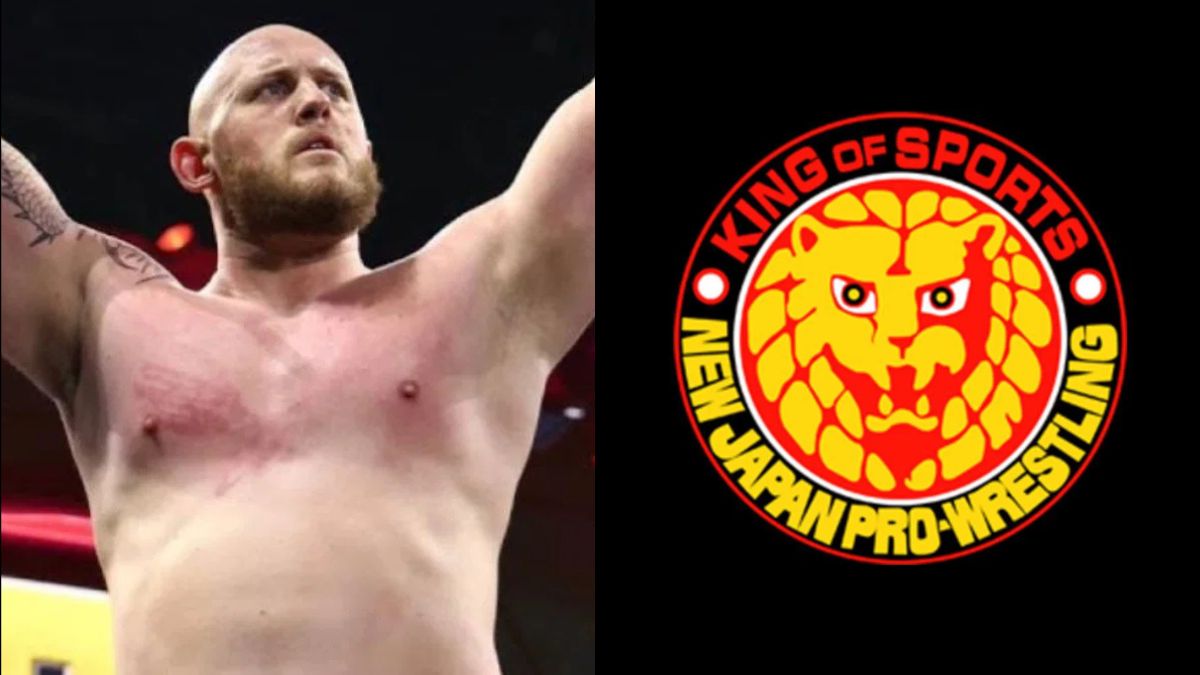
Gabe Kidd returned to NJPW at Dominion 2026 to dismantle Shota Umino following the main event. Kidd, appearing alongside the Death Riders, delivered a brutal message that effectively reset the IWGP Global Heavyweight title picture. This arrival matters because it disrupts the perceived isolation of the AEW-NJPW working relationship. As WrestleTalk reported, the ambush signals a hostile intent that traditional booking rarely sustains for long.
2. The Collapse of the Bloodline Civil War
The internal fracturing of the Bloodline on weekly television hit a breaking point when the tribal chief was superkicked by his own kin. This wasn't just a standard faction implosion; it was a character-driven exodus that left the group without a singular mouthpiece for the first time in years. The execution was technically precise, though the slow-burn pacing leading up to it tested the patience of the fanbase. It remains a masterclass in separating the wheat from the chaff in modern long-form storytelling.
3. The Tokyo Dome Technical Masterclass
Late this past winter, two veterans engaged in a thirty-minute iron man match that utilized zero high-risk spots to fill the time. By focusing on limb work and exhausted chain wrestling, they proved that technical output still draws heat. This match earns the third spot because it pushed back against the recent industry trend of over-relying on dangerous aerial maneuvers to pad out runtimes. It is rare to see a match end in a 2-2 draw that leaves both participants looking more formidable than when they started.
4. The Mid-Atlantic Championship Upset
A mid-card technician successfully cashed in on a fluke roll-up victory during a televised title defense. While the crowd initially felt the result was a mistake, the subsequent aggressive promo cemented the heel turn. It forced the brand to shift its focus toward a younger, leaner roster. Some critics argue the title change was premature and stunted the momentum of the incumbent champion.
5. The Unification Protocol
Two secondary titles were merged into a single belt after a ladder match that saw both holders incapacitated simultaneously. The visual of the referee holding the new championship high while paramedics tended to the fallen combatants created a dark, memorable image. It successfully cleaned up a cluttered division, though it deprived the undercard of valuable screen time. This move effectively reduced the total number of championships across the brand by 1.
6. The Surprise Return at 34th Street
A long-absent star appeared during a segment that was initially teased as a generic contract signing. The pop in the arena proved that organic anticipation still beats scripted surprises. Despite the high point of the return, the following week’s booking failed to capitalize on the momentum with a coherent feud. It is a cautionary tale about burning through a comeback without a secondary act ready to go.
7. The Tag Team Gauntlet Reset
When the reigning champions were eliminated in the first round of a tag team gauntlet, the division was forced into a state of flux. This chaotic booking allowed four new teams to emerge as legitimate contenders. It prioritized depth over star power, a risky maneuver that arguably paid off for the mid-level roster members. The pacing was brisk, with the elimination occurring every 5 minutes.
8. The Cage Match Spectacle
The steel cage match between two former allies reached its peak when both competitors crashed through the cage wall as it hovered mid-air. While the spot was undoubtedly high-octane, it lacked the logical stakes required to anchor a high-profile rivalry. It was a visual treat for the highlight reels that left the actual feud feeling hollow. Pure adrenaline does not always equal good professional wrestling.
9. The Open Challenge Rejection
A top-tier worker issued a weekly open challenge, only to be met by a complete radio silence from the locker room for three weeks. This narrative choice highlighted the fear instilled by the champion and underscored the lack of competition at the top end of the card. It was a slow-burn strategy that eventually culminated in a squash match, frustrating those who wanted a competitive contest. The decision to bury the challenger so quickly felt like an outdated creative choice.
10. The Championship Contract Expiration
A star held a title hostage for an entire month, refusing to sign a contract for a rematch unless specific financial demands were met. This blurred the line between kayfabe and reality in a way that felt uncomfortably genuine. It forced the general manager to get physical, leading to a surprise brawl that closed the show. It sits at the bottom of the list primarily because the resolution was too rapid, discarding a potential three-month plot in favor of a single blow-off segment.
The Big Picture
The 2026 season shows a clear pivot toward aggressive, cross-promotional disruption and high-stakes roster volatility. If these trends hold, the industry is moving away from stagnant dynasties and toward a survival-of-the-fittest cycle that favors rapid character evolution over long, status-quo reigns.
Honorable Mentions
The surprise turn at the pay-per-view opener; the unfortunate injury that forced a title vacancy in early spring; the viral post-match press conference that blurred reality and fiction.