The gatekeeper of the undercard
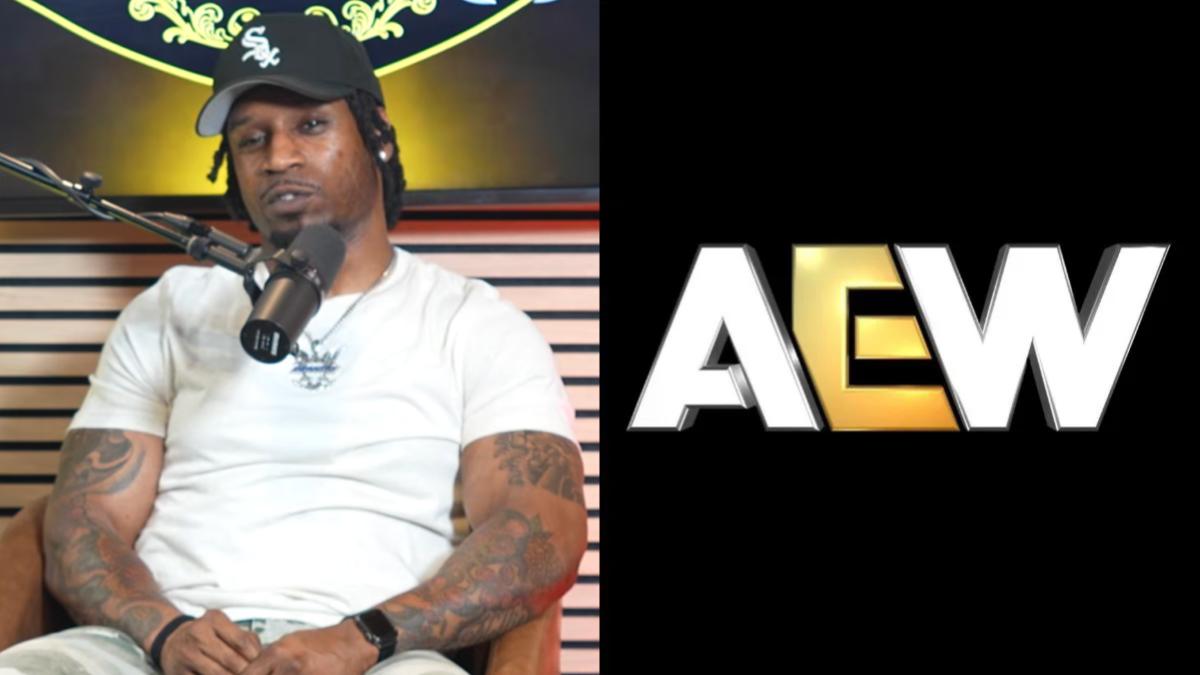
Getting signed to a promotion like AEW is rarely about hitting one flashy move in a vacuum. It is about professional reliability, timing, and understanding the specific utility required by a head booker during a television taping. Shawn Dean, the man responsible for organizing enhancement talent, sits at the intersection of these requirements. He isn't just a wrestler; he is a talent filter.
Dean recently outlined how aspiring performers need to view their work on the independent circuit. The focus, according to Dean, should be on providing a specific service to the product rather than just hoping to get noticed for a high spot. If you want a contract, you have to prove you can enhance, protect, and elevate whoever is standing across from you when the cameras roll.
The math behind the contract
There is a harsh reality to the current state of professional wrestling booking. Every television slot is finite, and every salary cap is monitored with precision. When wrestlers show up for tryouts, they often fall into the trap of prioritizing their own ego over the company need. Dean suggests that those who consistently get called back are the ones who understand their role in the bottom two-thirds of the match card.
As WrestleTalk recently detailed, the path to a full-time deal in modern wrestling is increasingly obscured by the need for specific, reliable production behaviors. You can have the best suplex in the promotion, but if you cannot hit your marks for a broadcast team juggling commercial breaks, you are a liability. Being an enhancement talent coordinator requires a blunt, analytical approach to roster construction that fans rarely see.
The missed opportunity in talent development
However, the reliance on such a structured pathway for newer talent has a downside. It risks homogenizing the independent scene, where performers are now training to be "television-ready" rather than fostering unique, character-driven traits. When every prospect shows up to a dark match working the same style, the capacity for genuine breakout star power diminishes.
Dean’s advice is sound for the business, but it is stifling for the fan who craves the chaotic, unrefined energy of the indies thirty years ago. If you want to see how these dynamics play out, look at the 14-minute mark of any mid-card collision where a prospect is forced to cycle through three rest holds to satisfy the timing requirements of a live broadcast. It is a necessary evil, but it often leaves the live audience cold.
The final analysis
I predict that we will see a shift in AEW's signing strategy before the end of the year. They have reached a saturation point regarding high-ceiling prospects who struggle with the technical realities of television production. The company will stop betting on raw physical potential and start signing those who demonstrate the efficiency Shawn Dean clearly preaches.
Expect to see more veteran indy guys get 3-month short-term deals over hungry twenty-somethings. It is the only way to stabilize a roster that has expanded too rapidly under the weight of its own ambition. Leaner, more reliable talent will dominate the coming months, even if it makes the weekly product feel slightly more rigid than it did in the honeymoon phase of the company.