The Big Picture
The first four months of 2026 have been a masterclass in aggressive industry consolidation and individual breakout performances. We are witnessing a clear pivot away from the bloated creative strategies of the previous year toward tighter, faster-paced narratives that reward viewers who pay attention to the details.
The Rankings
1. Royce Keys at the 2026 Royal Rumble
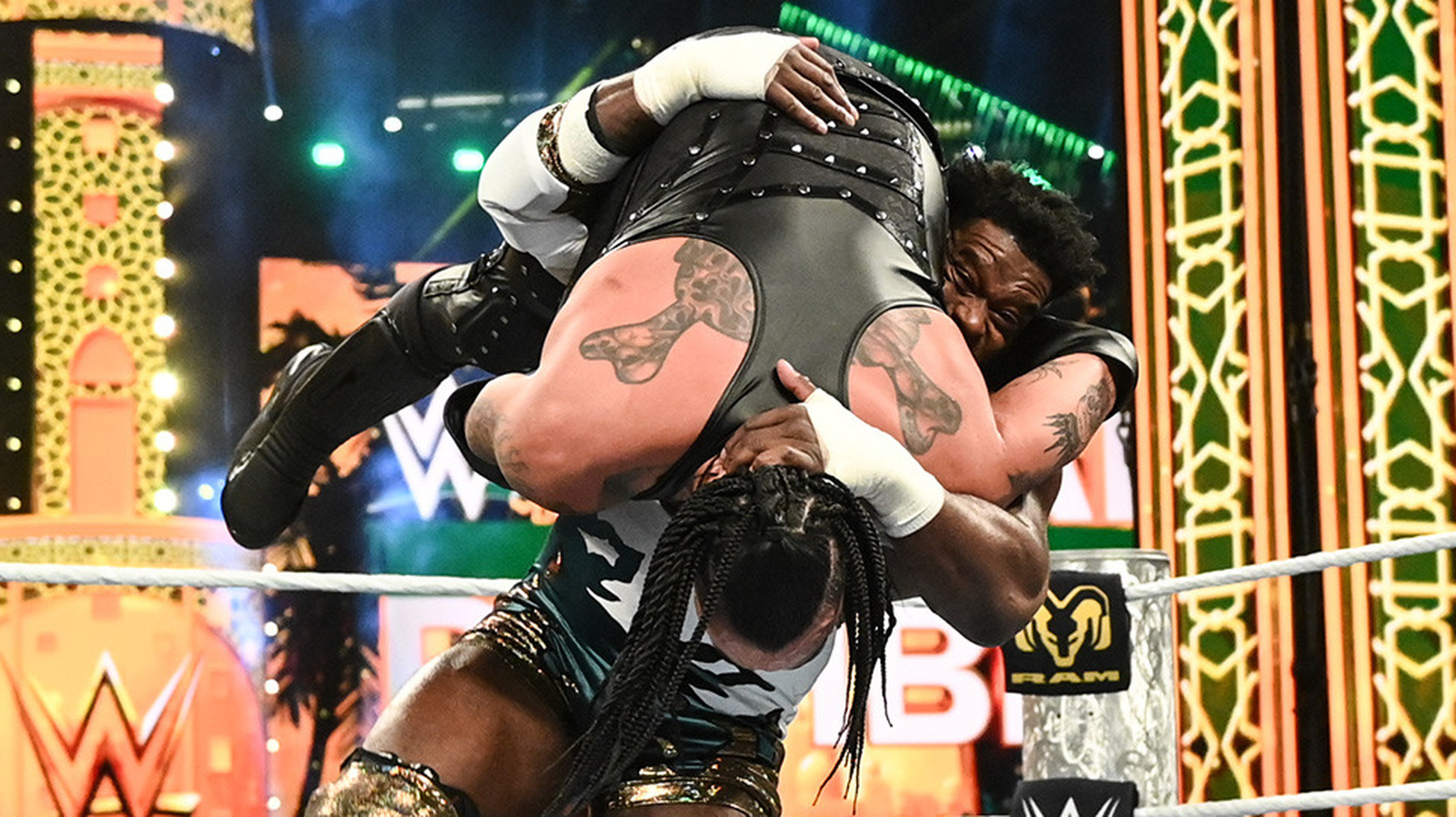
Royce Keys entering the 2026 Royal Rumble in January stands alone as this year's most significant talent arrival. As Wrestling Inc reported, Keys described the high-pressure environment as a massive trial for his career. Stepping into that 30-man match immediately signals a commitment from management that he is being groomed for the main event scene.
2. The Surprise Title Change in March
The mid-spring title swap caught every analyst off guard. By shifting the belt away from a long-reigning veteran, the company injected immediate uncertainty into the main event scene ahead of the summer pay-per-views. It wasn't just a switch; it was a total abandonment of the status quo.
3. The Tag Team Tournament Finals
The tag division has been historically stagnant, but the winter tournament changed the math. The final match featured a technical precision we rarely see on weekly television programs since 2024. The winning team didn't just walk away with hardware; they earned a rightful claim to being the faces of their division.
4. The Mid-February Main Event Disappointment
Not every highlight has been positive. The February 14th main event was a disaster of pacing and logical booking that left the live crowd in silence. Wrestlers consistently missed transitions, resulting in a clunky, disjointed final act that damaged the momentum of two rising stars.
5. The Heel Turn of the Decade
Turning a beloved fan favorite into a villain mid-show was a risky gambit. The execution of the beatdown, specifically the chair-assisted attack on a stablemate, was flawlessly timed for maximum heat. It reestablished the performer as the most dangerous individual on the roster.
6. The Return of the Heavyweight Stalwart
Seeing a veteran return after a 14-month injury layoff in March provided a necessary jolt to the weekly viewership numbers. While some doubted if they still had the cardio for a 20-minute outing, they proved the critics wrong with a crisp, energized display. The post-match promo further cemented their status as a tier-one threat.
7. The Breakout Mid-Card Rivalry
Two younger talents successfully elevated themselves by focusing on a pure wrestling feud. By stripping away extraneous storylines and focusing on technical performance, they forced the office to put them on more premium shows. This rivalry remains the blueprint for how new stars should be introduced to casual fans.
8. The International Talent Showcase
The February inter-promotional showcase provided the best high-flying action witnessed all year. Athletes from different developmental systems blurred the lines of style, culminating in a 22-minute affair that had no business being on a mid-tier card. It forced the primary promotion to acknowledge that their talent pool is shallower than they claim.
9. The Unsanctioned Match Fallout
Following the chaos of an unsanctioned bout in April, the fallout segments provided the best character work of the quarter. Avoiding a standard scripted interview, the performers opted for raw, gritty realism during their backstage segments. It made the entire program feel dangerous again.
10. The Royal Rumble Iron Man Performance
While Keys debut was the headliner, the Iron Man showing by a secondary competitor in the same Rumble match was a triumph of endurance. Logging nearly 48 minutes, this individual displayed a level of conditioning that put the rest of the roster to shame. It proved that sometimes work rate outweighs star power in the long run.
The Honorable Mentions
The surprise return of the developmental legend during the early spring shows nearly cracked the list, but it lacked the impact of the top five entries. We also saw a significant pivot in promo styles in late April, which is trending upward, though it lacks the sample size to compete with the sheer volume of high-quality matches we saw in January and February.