The Pulse of the Arena
Professional wrestling does not exist without the people in the seats. From the diehards tracking work-rate to the casual observers looking for a spectacle, the crowd dictates the energy of every match. Here is a breakdown of the ten archetypes currently shaping the scene.
The Hierarchy of the Ringside
- The Archivist: Nothing escapes their memory. They know the exact date of a random 2008 house show and care more about internal booking logic than the actual outcome of the match. Their encyclopedic knowledge is impressive, yet they often miss the spectacle because they are too busy cross-referencing Wikipedia entries on their phone during a top-rope spot.
- The Lens-First Fan: Armed with a high-end camera, this fan views the entire three-hour broadcast through a digital viewfinder. They capture every landing and missed punch, often putting their equipment in the line of fire. While we appreciate the high-res footage, watching a main event through a telephoto lens ruins the immersion for the rows behind them.
- The Contrarian: This fan derives joy from hating what the rest of the arena loves. If the crowd is chanting for a babyface favorite, they are the one whistling or shouting for the antagonist. Their presence is necessary for the tension of a live show, as they keep the atmosphere from becoming a stale echo chamber of consensus.
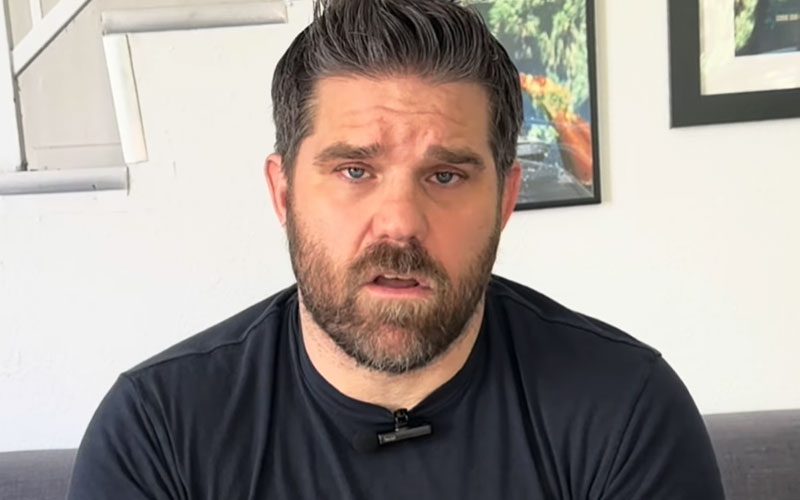
- The Opportunist: This is the fan who violates boundaries, exemplified by the recent incident where D-Von Dudley publicly addressed a fan recording him without consent in an invasive manner. They view performers as public property rather than human beings. This behavior is the fastest way to get banned from any promotion regardless of the ticket price.
- The Social Media Critic: They hit 'send' on their grievances before the referee reaches the count of three. This fan values the discourse online more than the action in the ring, often live-tweeting their dissatisfaction while ignoring the storytelling in progress. Their feedback is the lifeblood of current discourse, even if it is often reactionary and prone to hyperbole in the heat of the moment.
- The Memorabilia Hunter: Their gear budget exceeds the GDP of a small nation. They show up at every signing and show, hoping to corner stars for autographs or a fleeting interaction. While they keep the secondary market thriving, their constant pursuit can turn a casual venue interaction into an awkward experience for the performer.
- The "Gatekeeper": They believe if you didn't watch the territorial era or specific Japanese deathmatches, your opinion is invalid. They rank higher than the casuals, not because they are right, but because they are the loudest voice in every wrestling forum. They prioritize history over the product currently being served, leading to a disconnect with modern wrestling evolution.
- The "Chant" Leader: They are convinced the show is about their participation rather than the athletes. They start the "This is Awesome" chants and the waves that distract from crucial sequences. While some fan interaction is standard, these individuals have an inflated sense of self-importance that prioritizes their vocal chords over the actual talent.
- The Newcomer: They are here for the energy and the popcorn. They don't know the deep history or the move names, but they provide the genuine, unfiltered reaction that promoters crave. Because they lack bias, their response to a match is often the most accurate gauge of whether a story is truly working.
- The "Purist": This fan respects the craft and the sacrifice. They know the difference between a work and a shoot, and they appreciate the technical mastery of a chain-wrestling sequence. This is the bedrock of the audience, the fan who understands that professional wrestling is not just a fight, but a delicate, collaborative performance art.
The Big Picture
Wrestling remains a unique partnership between the performer and the audience. When the barrier between entertainer and fan is respected, the result is magical, but when that line is blurred, it creates friction that pulls everyone out of the narrative. Managing these fan archetypes is the invisible duty of every promotion on the planet.
Honorable Mentions
The Cosplayer, who brings incredible dedication to character representation; the "Piped-in Audio" Skeptic, who spends every show analyzing the sound mix rather than the match; and the Twitter-Space Junkie, who spends more time listening to experts talk about wrestling than actually watching the matches. We also acknowledge the legacy of fans like those who engage in discourse around performers such as Joey Ryan, whose controversial history continues to spark debates about who has a place in the sport. As Ringside News noted, the divide between fans and past performers remains a volatile issue that is 0% likely to disappear. A healthy promotion needs all these voices, even the ones that irritate, to create the heat that drives the business toward its next pay-per-view milestone.