The Hierarchy of Spectacle
Pro wrestling operates on a razor-thin margin between controlled chaos and genuine disaster. These ten moments define the last decade by shifting the trajectory of the industry through sheer willpower or inexplicable controversy.
The Ranking
- Cody Rhodes finishes the story at WrestleMania 40. After two years of aggressive internal and external booking shifts, the climax at Lincoln Financial Field felt inevitable rather than forced. Rhodes pinned Roman Reigns following three Cross Rhodes to end a 1,300-plus day reign, marking a hard pivot in the company's creative direction.
- Daniel Bryan’s triumph at WrestleMania 30. This remains the benchmark for organic fan support dictating corporate reality. Defeating Triple H, Batista, and Randy Orton in one night erased the lingering stink of lukewarm booking cycles. It proved that crowd noise can eventually override a boardroom script if the momentum is sustained for long enough.
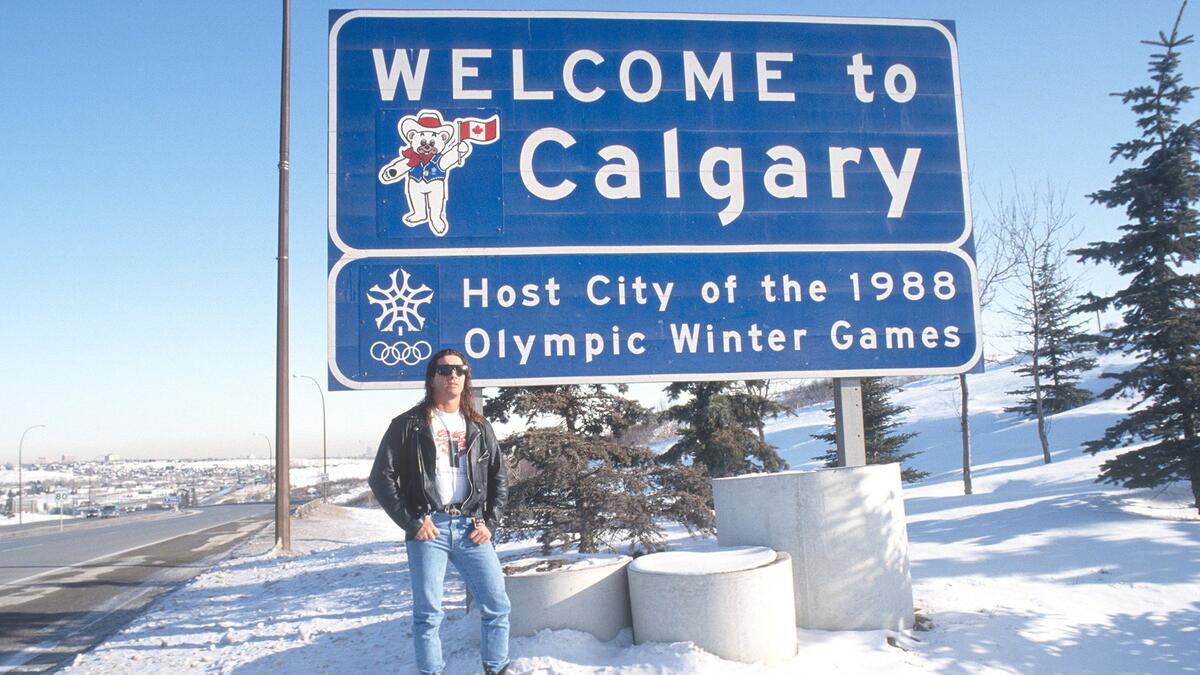
- CM Punk returns in Chicago. The atmosphere at the United Center on August 20, 2021, reset the temperature for the entire industry. Seven years of silence broke via Cult of Personality, leaving fans, talent, and observers in stunned disbelief. It remains a rare instance where the promise of a return actually cleared the high bar of fan expectation.
- The birth of the Forbidden Door project. Seeing New Japan Pro Wrestling talent in an American ring alongside AEW stars shattered the long-standing industry isolation. This shift prioritized match quality over regional tribalism, forcing other promotions to reconsider their restrictive collaboration policies.
- The Undertaker’s streak ends at 21-1. Brock Lesnar hitting a third F-5 at WrestleMania 30 signaled a grim reality check for the locker room. The shock of the silence in the Superdome surpassed the actual move, highlighting a booking decision that still triggers debate about whether the mystique was worth the payoff.
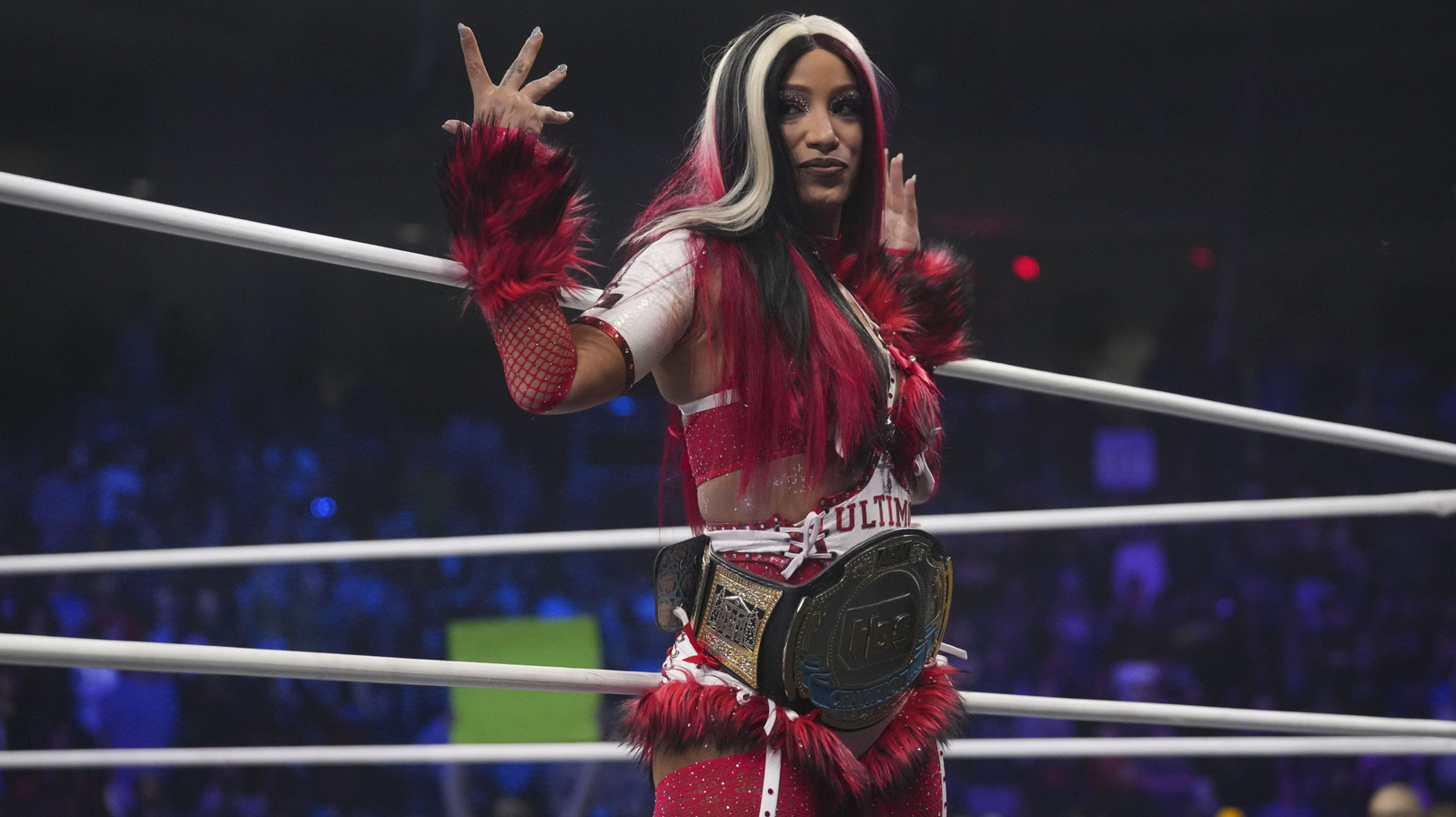
- Becky Lynch becomes The Man. The accidental injury involving Nia Jax created a sequence that pushed Lynch to the top of the card. Her subsequent Survivor Series promo cemented a persona that elevated women’s wrestling from the mid-card to consistent main-event status.
- The Bullet Club transition from New Japan to global relevance. This move proved that stable dynamics could bypass traditional TV exposure through raw social media reach. Their t-shirt sales and independent booking fees forced the hand of larger organizations to adapt their merchandise strategies.
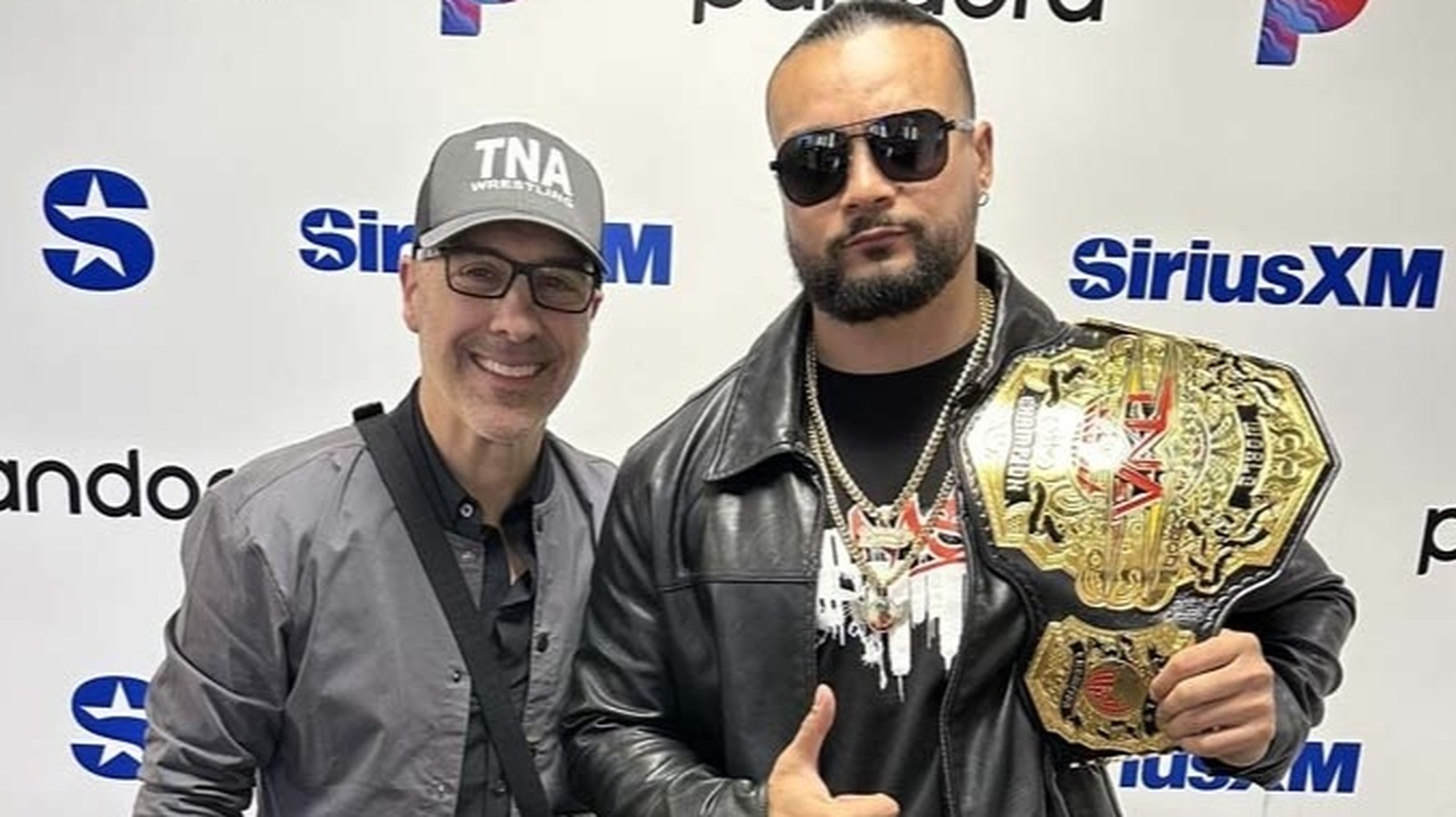
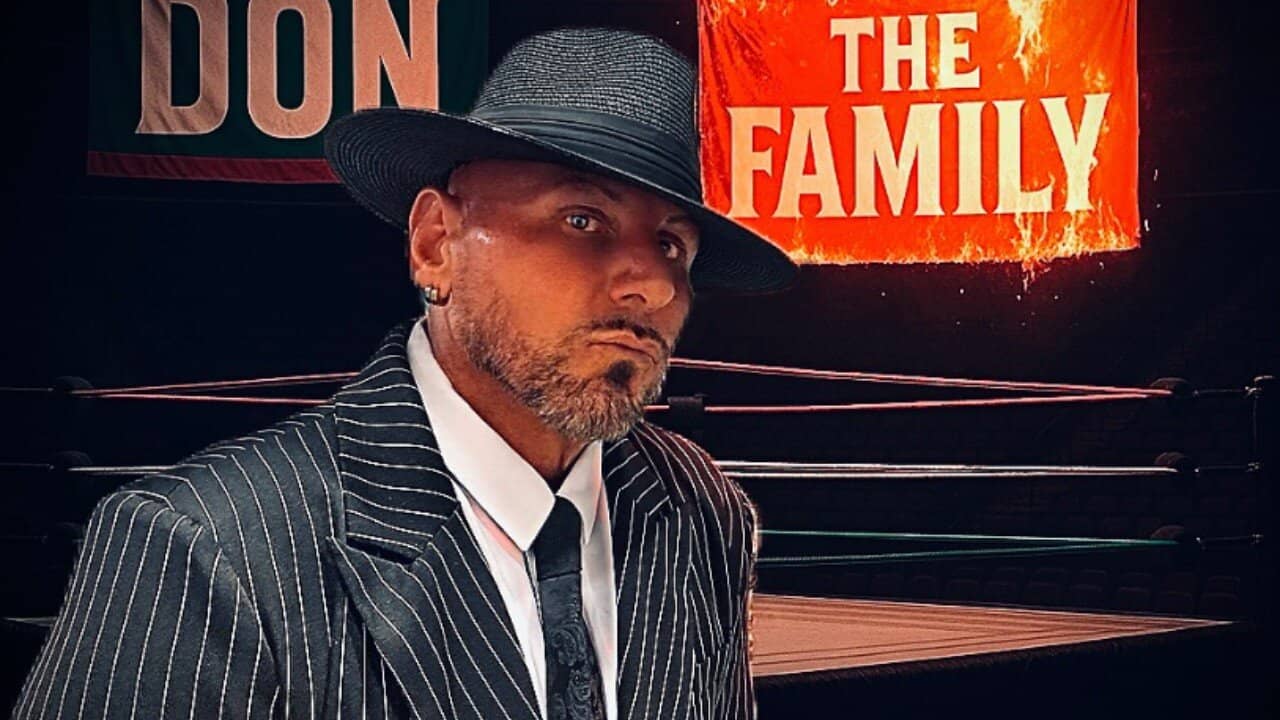
- Big Vito confronts a fan in Las Vegas. As reported by WrestlingNews.co, an altercation involving the former WWE and WCW performer provides a sobering look at the hazards of interacting with patrons. It serves as a reminder that the blurring of characters and real people leads to volatile, messy outcomes that rarely benefit anyone involved in the scuffle.
- The Kenny Omega and Kazuchika Okada series. Their four-match run starting at Wrestle Kingdom 11 redefined the pacing of main event bouts. By pushing the boundaries of time and physical toll, they established a gold standard that modern workers now find impossible to ignore.
- The rise of NXT at Full Sail. The transition from a developmental factory to a creative incubator allowed for work-rate focused storytelling to reach a die-hard audience. It created a sustainable pipeline for talent before the brand lost its identity in the subsequent reshuffle.
The Big Picture
These moments highlight a decade where the barriers between talent and audience eroded at a dangerous, rapid speed. While athletic quality has spiked, the consistent struggle to maintain storylines without manufactured interference remains the primary critique of the current era.
Honorable Mentions
The Shield’s formation in 2012 deserves recognition for launching three distinct pillars of modern wrestling. Additionally, Edge’s 2020 Royal Rumble return stands as the high-water mark for long-term health recovery stories even if the matches that followed often struggled to regain that same initial heat.