Measuring the Year's Defining Shifts
The 2026 wrestling landscape remains defined by high-profile returns and the fallout of lingering injury crises. These ten moments represent the inflection points that moved the needle for television ratings and social media engagement.
The Ranking
Mercedes Moné returns to the Owen Hart Foundation Tournament
Moné’s re-emergence on the June 3, 2026, edition of AEW Dynamite ended a five-month hiatus that had left the promotion's women's division searching for a focal point. Her entry as a wildcard in this tournament instantly shifted the stakes. While the move provided a immediate ratings boost, booking questions persist about the long-term direction of her character following such disjointed storytelling. As recent reports suggest regarding injury management in AEW, keeping talent healthy during high-stakes tournaments remains the primary challenge for Tony Khan.
CM Punk's recovery timeline and the move to SmackDown
The push to reintegrate CM Punk into the blue brand remains the most vital internal project for WWE leadership. Recovering from a triceps tear suffered earlier this spring, his progress in the weight room is now monitored daily. The goal isn't just a return to the ring, but a specific 100% clearance of his triceps range of motion before any physicality is permitted. While fans clamor for a quick comeback, the cautious approach taken by medical staff suggests a refusal to rush him back for a short-term pop.
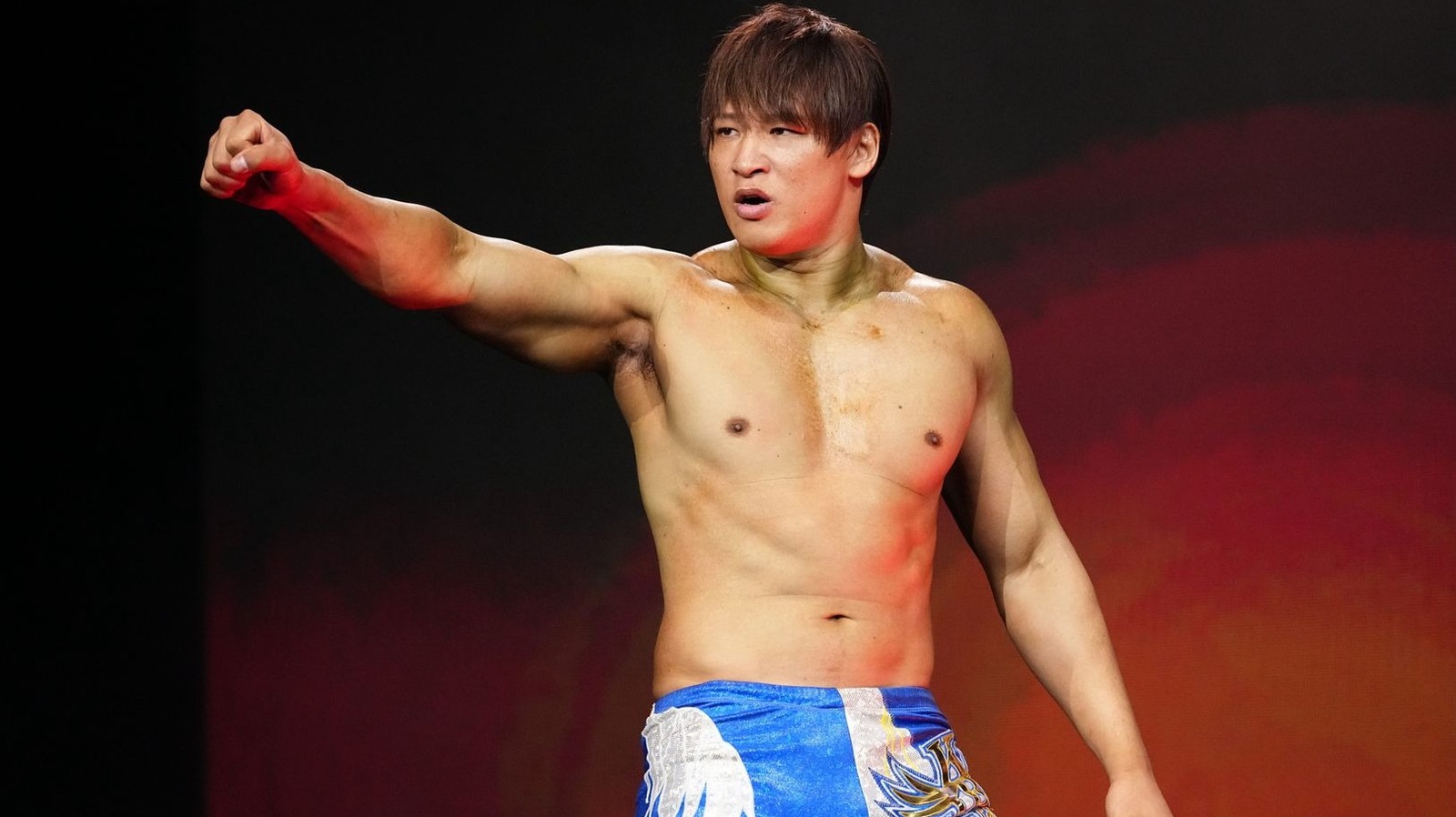
The fallout of the Kota Ibushi injury
The injury sustained by Kota Ibushi during an AEW Collision taping against Josh Alexander last autumn remains a sobering reminder of the physical cost of the current style. Requiring two surgeries to address the damage, Ibushi hasn't set foot in a ring since that night. The lack of a clear return timeline highlights the volatility of relying on high-impact strikers who push their bodies to the absolute limit. It remains a major blow to the depth of the promotion's international marquee matchups.
The rise of SmackDown under new scheduling
The decision to lean into the brand split has finally yielded genuine competition between shows. By prioritizing distinct talent pools, WWE has stopped the dilution issues that plagued previous years. The focus on specific storylines rather than sprawling, generic feuds gives each broadcast a reason for existing. It remains the most commercially successful tactical shift of the year.
The emergence of the Owen Hart Foundation structure
This tournament has elevated the mid-card status for multiple performers who were previously stuck in creative limbo. By tying the bracket to a prestigious name, the booking gains instant legitimacy that regular television matches often lack. Scheduling this for mid-year provides a necessary bridge between major premium live events. It serves as a testing ground for talent who might otherwise struggle to find screen time.
The conclusion of the spring PPV cycle
The consistency of match quality during the spring cycle silenced many critics of the current business model. By focusing on three marquee matches per event rather than a bloated card, the pacing improved substantially. Viewers are no longer suffering from four-hour marathons that exhaust the audience before the main event. Quality over quantity has finally become the internal mantra.
The uncertainty of the AEW Continental Crown
While the title was designed to create prestige through round-robin rules, the stagnant utilization of the belt has left it feeling like an afterthought. When a championship doesn't move across different networks or promotions as initially intended, it loses its defining purpose. The booking needs a secondary injection of urgency to matter again. Without fresh challengers, the division risks becoming stale.
The shift in WWE promotional strategy
Moving away from long-term scripted promos in favor of shorter, high-intensity segments has changed the feel of the product. By allowing stars to hit three main points in under two minutes, the energy remains high. This lean style has cut down on the filler that used to dominate the middle hour of television. It is a necessary adaptation to a digital-first consumption habit.
The integration of indie talent
The influx of roster spots for independent veterans has provided a higher floor for match quality. We are seeing fewer "clunky" segments because these additions know how to navigate the ring safely and efficiently. While they lack the massive star power of the top-tier, they are the backbone of the weekly product. Every good show needs these reliable workers to anchor the undercard.
The refinement of the tag team division
By streamlining tag team rules, the division has seen a reduction in the chaotic interference spots that once plagued every match. The refereeing feels more consistent, which allows the crowd to follow the story without constant confusion. It isn't perfect, but the move toward more disciplined tag wrestling has improved the flow of the entire show. A tighter product is simply a better product.
The Big Picture
The top moments of 2026 reflect a concerted effort by major promotions to prioritize health and pacing over excess. While risks like the Ibushi injury continue to haunt the industry, the structural adjustments seen in the Owen Hart tournament and the SmackDown scheduling suggest that management is finally listening to the feedback loop of their audience.
Honorable Mentions
- The mid-season pivot of secondary title booking.
- The increased use of high-definition production upgrades for weekly shows.
- The surprising longevity of the current tag-team championship reigns.