The true cost of the grandest stage
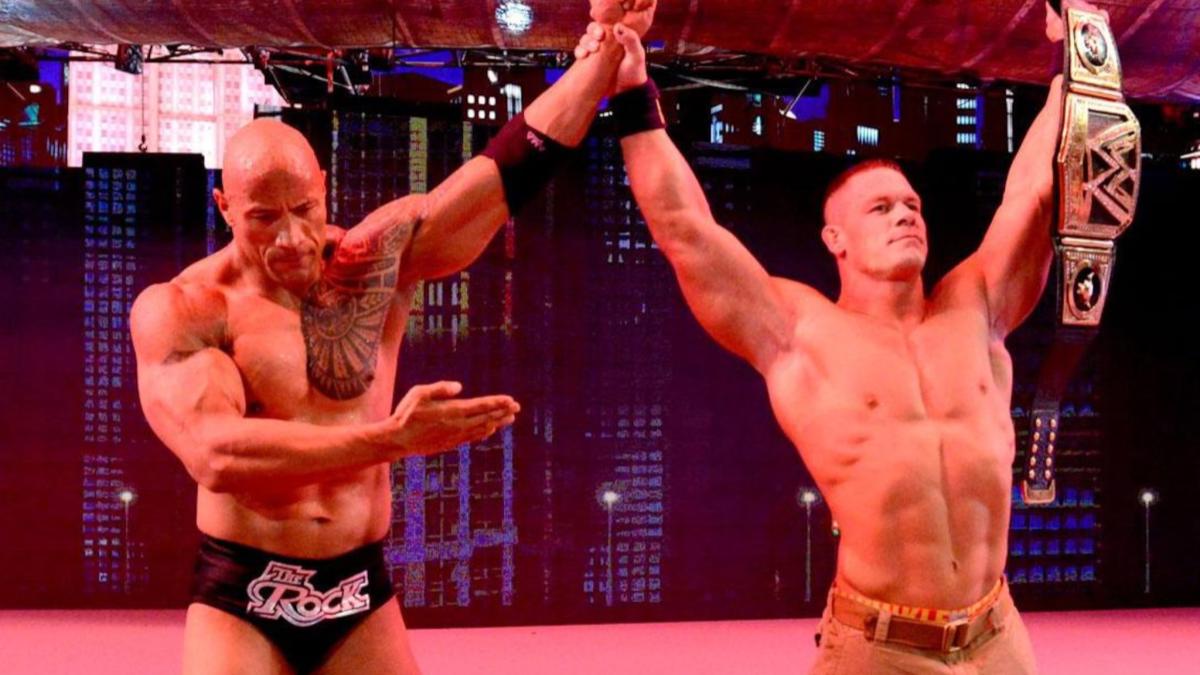
Dwayne Johnson finally pulled back the curtain on what really went down at WrestleMania 29. We all saw the match. We saw the high-stakes collision between the two biggest icons the industry had ever produced. But beneath the lights and the pyrotechnics, the reality was a complete physical liquidation of a human body.
The Rock confirmed he tore his adductor and the top of his hamstring right off his pelvis during that main event. He even mentioned suffering a hernia, which sounds like something you get from lifting a heavy couch incorrectly, not from main-eventing the biggest show on earth. It is a sobering reminder that while we argue over card placements and push trajectories, these guys are literally leaving pieces of their anatomy on the canvas.
The durability myth is finally dead
There was a time when we romanticized the idea of wrestlers working through catastrophic damage. We treated injuries like badges of honor, ignoring the fact that it usually leads to a shorter career and a long-term medical nightmare. The Rock's admission highlights that even the genetic anomalies of the business aren't bulletproof.
When you hear about an injury list that includes having your muscles ripped off your skeletal foundation, you realize how lucky we were that the match even reached its conclusion. As WrestleTalk reported, the level of damage sustained indicates a total disregard for self-preservation in the name of the spectacle. It makes every near-fall and powerbomb look different when you know the performer is operating on pure adrenaline and a prayer.
Booking the impossible standard
Let's talk about the booking side of this mess. Expecting a performer to go full-throttle for 25 minutes after suffering a grade-three tear is a recipe for disaster. It is amazing that modern medical teams are even allowed to let the match continue in such a state, but the spectacle at WrestleMania 29 demanded nothing less than a blood-and-guts performance. It served the story of the "Once in a Lifetime" rematch, but it left the performers broken in a way the audience couldn't see from the nosebleeds.
Critics often point to the slow, methodical pace of modern main events as a negative. Yet, when you look at the physical toll described by The Rock, maybe a bit more caution isn't such a bad idea. We don't need these guys to be literal cannon fodder to enjoy the drama. It’s hard to ignore that such a high-profile injury was the direct result of a performance that felt slightly too ambitious for the condition of the roster at the time.
The toll on the icons
This news confirms my suspicion that we are watching the tail end of the era where durability is the only metric of success. If one of the most protected performers in the business can lose half his lower body integrity in one night, what is happening to the mid-carders who work four times as many dates? It is not just about the star power — it is about the structural integrity of the company's biggest assets.
Whether you loved the match or found it a bit stale, the context is impossible to ignore. We were cheering for a finish while muscles were snapping inside the ring. It makes you reconsider the value of the spectacle. We need to stop asking for the impossible, because eventually, the performers provide it at the cost of their long-term health. The Rock retired for a long time after that show, and looking back, the 15-year career cycle in this sport starts to make a lot more sense when you realize these athletes are essentially car crash test dummies.
Read Next
- John Cena is done, so stop waiting for his return
- The Rock's detour into Oscar-bait tells us everything about his current focus
- John Cena is finally treating wrestling like a high-wire act
- John Cena’s classic tournament faces a reality check before it even begins
- 🏆 WrestleMania 41 — Full Coverage Hub
- 👴 John Cena Retirement Tour 2026