The brutal reality of life after the squared circle
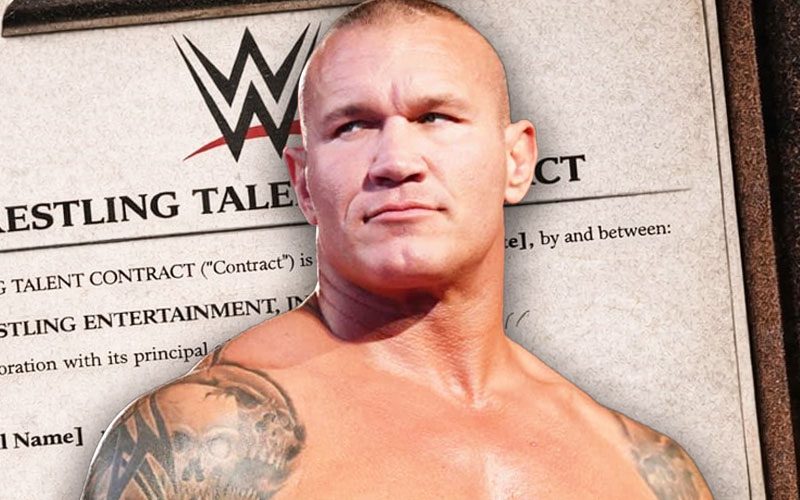
Professional wrestling is a meat grinder. We spend our weekends screaming at our screens for a triple-rotation moonsault or a table spot gone wrong, but we rarely talk about the shelf life of the humans behind those bumps. The recent discourse surrounding Randy Orton highlights exactly how fragile the paycheck is.
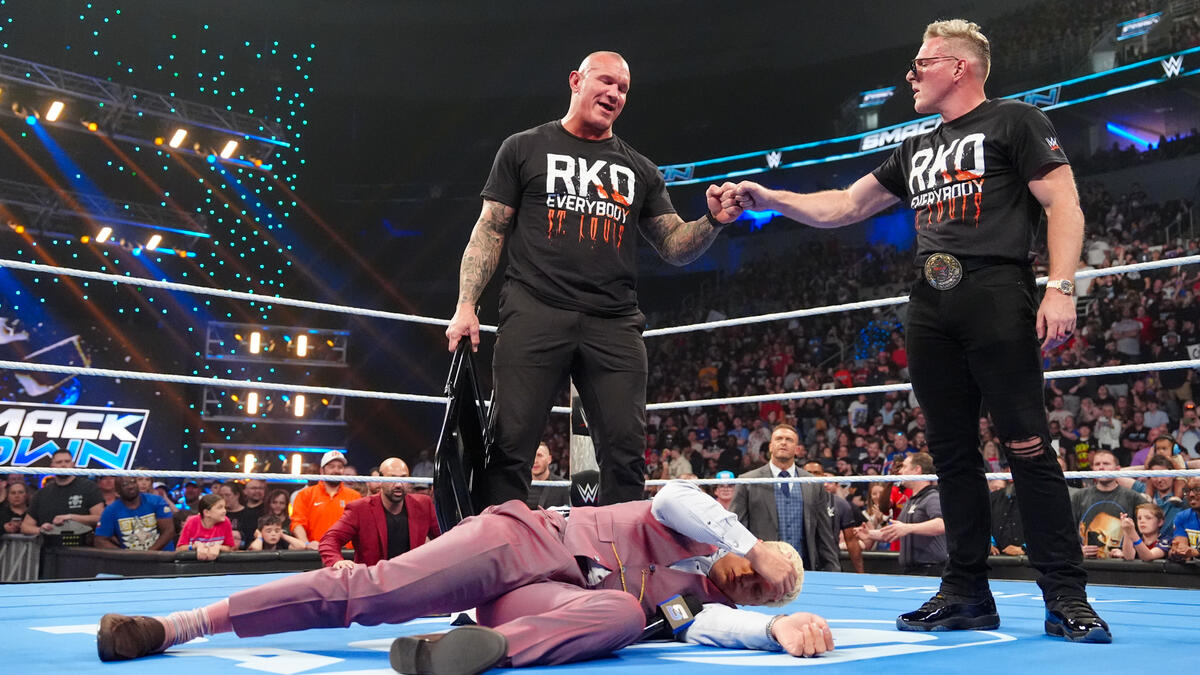
One errant landing or a miscalculated RKO can turn a main event push into a permanent retirement party. The danger isn't just a storyline hook; it is an existential threat to every person on the roster. When a veteran admits they feared for their career after a simple in-ring mishap, it pulls the curtain back on the invisible toll of this business.
From the main event to the retail floor
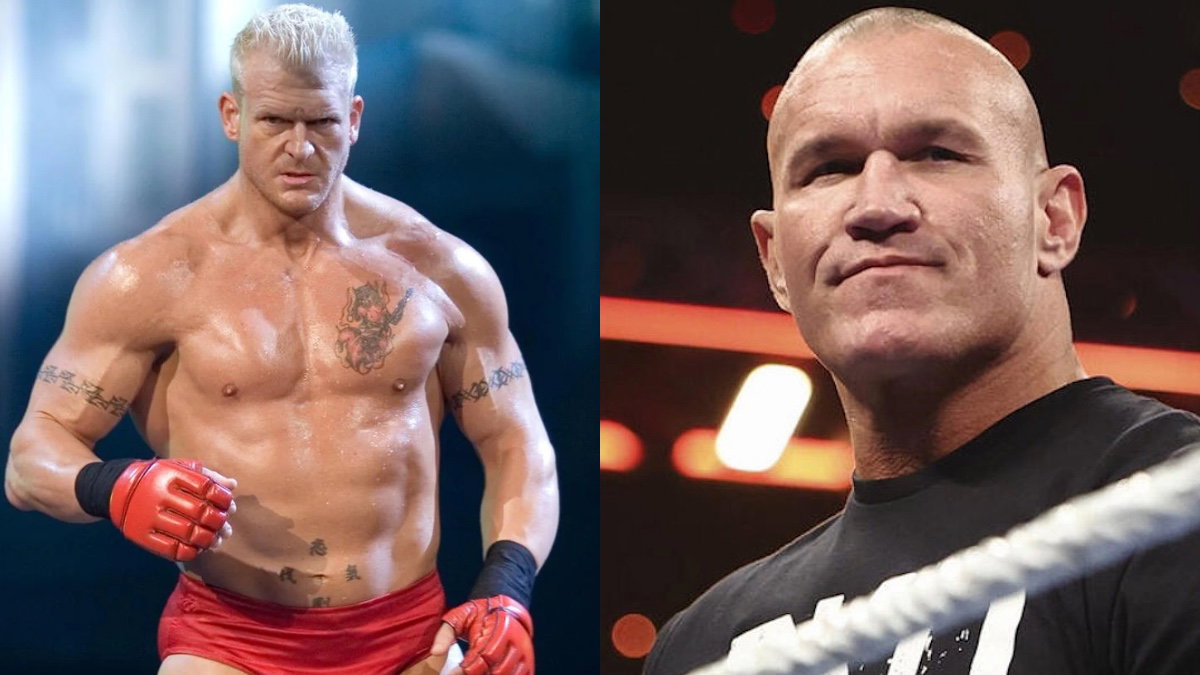
Contrast that physical fragility with the path of Jon Heidenreich. While many former stars struggle to monetize their fading relevance, Heidenreich found a different rhythm. Reports indicate he is currently working at Walmart, a move that would baffle the average keyboard warrior in the wrestling bubble.
Most fans expect former stars to turn into bitter podcast hosts or convention grifters. Heidenreich, however, seems content outside the suffocating glare of the spotlight. He explicitly noted he could not ask for a better life. In an industry defined by ego, choosing a quiet, stable existence is actually the most rebellious career move imaginable.
Reality TV and the pivot to fame
Not everyone trades the ring for the retail aisle, though. We are seeing a distinct trend of alumni migrating into the reality television sphere. A former Diva Search competitor has secured a spot in the latest Real Housewives cycle, proving that the skills needed to survive a locker room are surprisingly transferable to a wine-throwing brunch.
This shift speaks volumes about how talent views their post-wrestling utility. Zelina Vega, for example, is currently keeping her profile active through public-facing events like tours at animal sanctuaries. She is playing the long game, keeping her brand front-of-mind while she continues to perform.
The booking mistakes of yesterday
Let's address the elephant in the room: the turnover rate from the 2000s era was atrocious. WWE relied on a revolving door of "next big things" who had no safety net when the creative team inevitably forgot about them. Seeing these wrestlers navigate adulthood proves that the booking of their lives was often as disjointed as their mid-card feuds.
The industry failed to protect these people, and the fact that we treat their life choices like tabloid fodder only exacerbates the problem. Watching a former champion drop a leg drop and then vanish into obscurity is a recurring nightmare for the locker room. If you look at the statistics, roughly 95% of these performers do not end up in the Hall of Fame.
They end up like everyone else, trying to pay a mortgage without the benefit of a scripted finish. The obsession with wrestling hierarchy needs to stop. Whether you are cutting a promo in front of 20,000 people or clocking in for a shift at 6:00 AM, the work is hard. The lack of institutional support for those who leave the company remains a glaring oversight in the industry.
Bookers might view talent as interchangeable parts, but once the music stops, the reality hits. The transition requires a level of humility that most wrestlers are never trained to possess. If you spend your twenties convinced you are a gladiator, the transition to being a regular civilian is a psychological collision at terminal velocity.