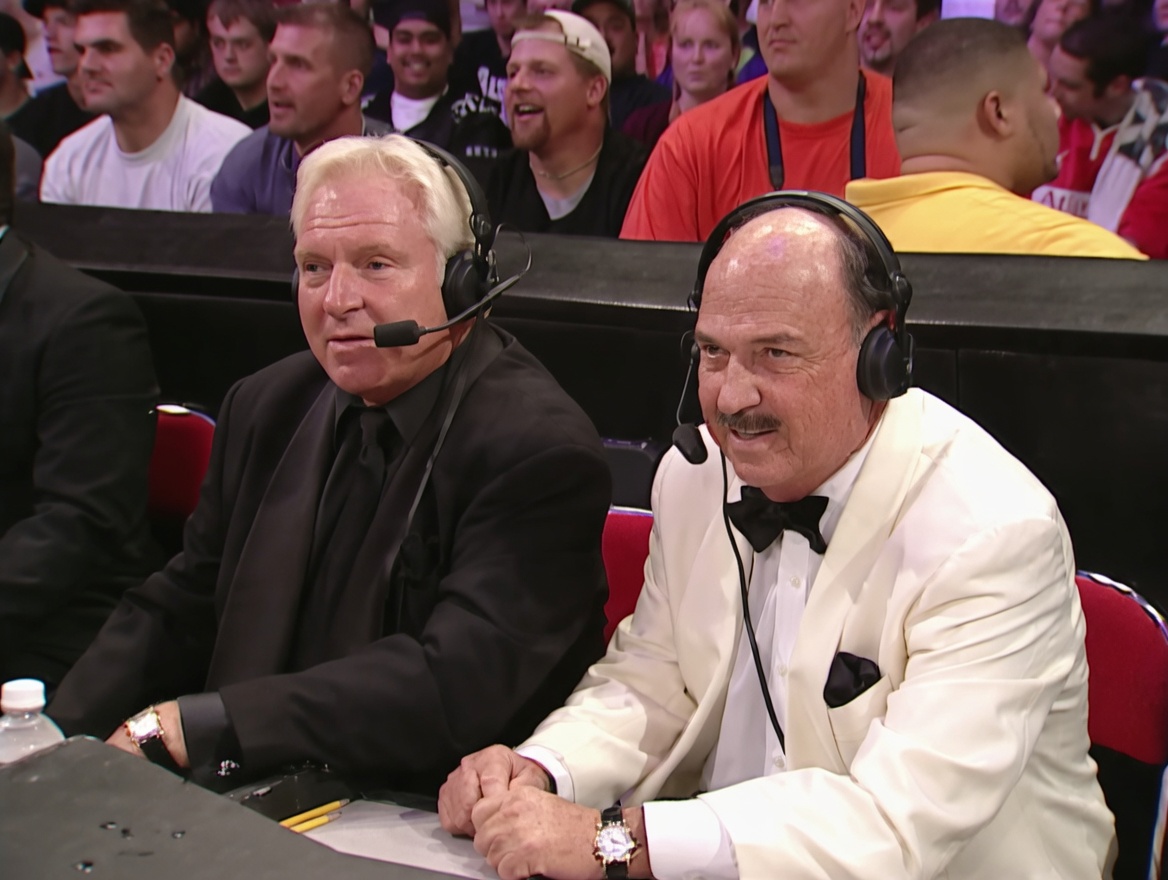
The legal reality hanging over WWE in 2026
The procedural grind of the Grant litigation
Legal battles in professional wrestling possess a gravity that often escapes the hyperbole of the weekly television product. While the creative teams focus on building cards for the summer, the ongoing Janel Grant lawsuit against WWE, Vince McMahon, and John Laurinaitis remains a foundational concern. The docket does not care about character arcs or surprise returns.
The current status of the litigation, as reported by PWInsider, indicates that the case is moving into a phase of significant discovery. This is where the narrative shifts from public accusation to document production. When parties move toward exchange of evidence, the internal culture of a corporation is dissected with far more precision than a wrestling critic ever could.
Corporate detachment meets wrestling reality
There is a peculiar dissonance when viewing current WWE programming alongside the legal filings. Fans often engage with the product as a closed system, ignoring the external forces that shape the boardroom. Unlike an injury report that impacts a three-month booking plan, this litigation affects the long-term stability of the ownership structure.
We have seen various attempts by talent to pivot the discourse toward the upcoming World Cup, as noted in discussions across the industry. It is a smart marketing play by AEW stars to co-opt the attention surrounding the tournament. Yet, treating international football as a distraction from the heavy machinery of litigation is a tactical error for those who analyze the industry as a business.
The missed opportunity for transparency
One of the most glaring weaknesses in modern wrestling rhetoric is the insistence on treating these legal issues as minor speed bumps. If the discovery process yields internal communications that contradict public statements, the reputational cost is immediate. A company cannot claim to have turned a page in its culture if its internal archives tell a different story in the middle of a motion for summary judgment.
Transparency is not just a buzzword here; it is the metric by which analysts should judge the credibility of the post-McMahon regime. When executives like those recently discussed by Teddy Long talk about the politics of a return, they are implicitly engaging with the power structures that this lawsuit could potentially alter. If the board of directors loses control of the narrative, the conditions of employment for everyone from the producers to the performers could shift rapidly.
Tactical analysis of the legal timeline
The pacing of this lawsuit is glacial compared to the speed of professional wrestling television. In a 24-hour news cycle, the lack of immediate updates feels like silence. However, in a federal courtroom, the steps taken over the last six months represent massive changes in the trajectory of the defense. Every deposition date set is a potential flashpoint for the company's valuation.
Critics often argue that the fanbase moves too quickly to care about legal proceedings. This is a flaw in assessment. The betting markets and institutional investors, who value the company at billions, do not share that indifference. They track the court filings with the same intensity a tactical analyst tracks a deep-lying playmaker. When the defense fails to adequately address the specific allegations of coercion, the market reaction is as sharp as a missed spot in the ring.
Ultimately, the industry is balancing two disparate realities. One is a high-gloss, international tour building toward massive crowds. The other is a courtroom battle that focuses on the cold, hard reality of professional conduct. Ignoring the latter while fixating on the former is akin to watching a match and failing to notice the referee’s count. You might enjoy the spectacle, but you are not seeing the full picture of who wins, who loses, and why the game might change tomorrow.
King of the Ring: How WWE's Most Famous Tournament Helped Create the Modern Wrestling Industry
A deep dive into the history of the legendary tournament that made stars.
Frequently Asked Questions
Who are the primary defendants named in the Janel Grant lawsuit?
What is the current status of the Janel Grant legal case?
How does the litigation impact WWE's long-term corporate structure?
Why is the discovery phase critical for WWE's public image?
How could the legal proceedings affect WWE employees?
More Coverage

Why Kevin Nash is right about Tom Brady and the celebrity match trap
an hour ago
Nikki Bella’s minor league comments are tearing the IWC apart
2 hours ago
Zoey Stark returns to form while Val Venis proves some doors should stay locked
2 hours agoSeth Rollins can pretend all he wants, but Night One is still the opening act
4 hours ago
Drake Morreaux's move to AAA is the reset he desperately needed
4 hours ago
Seth Rollins is right about SummerSlam: The stats prove Night Two is the only real main event
4 hours agoMore Analysis
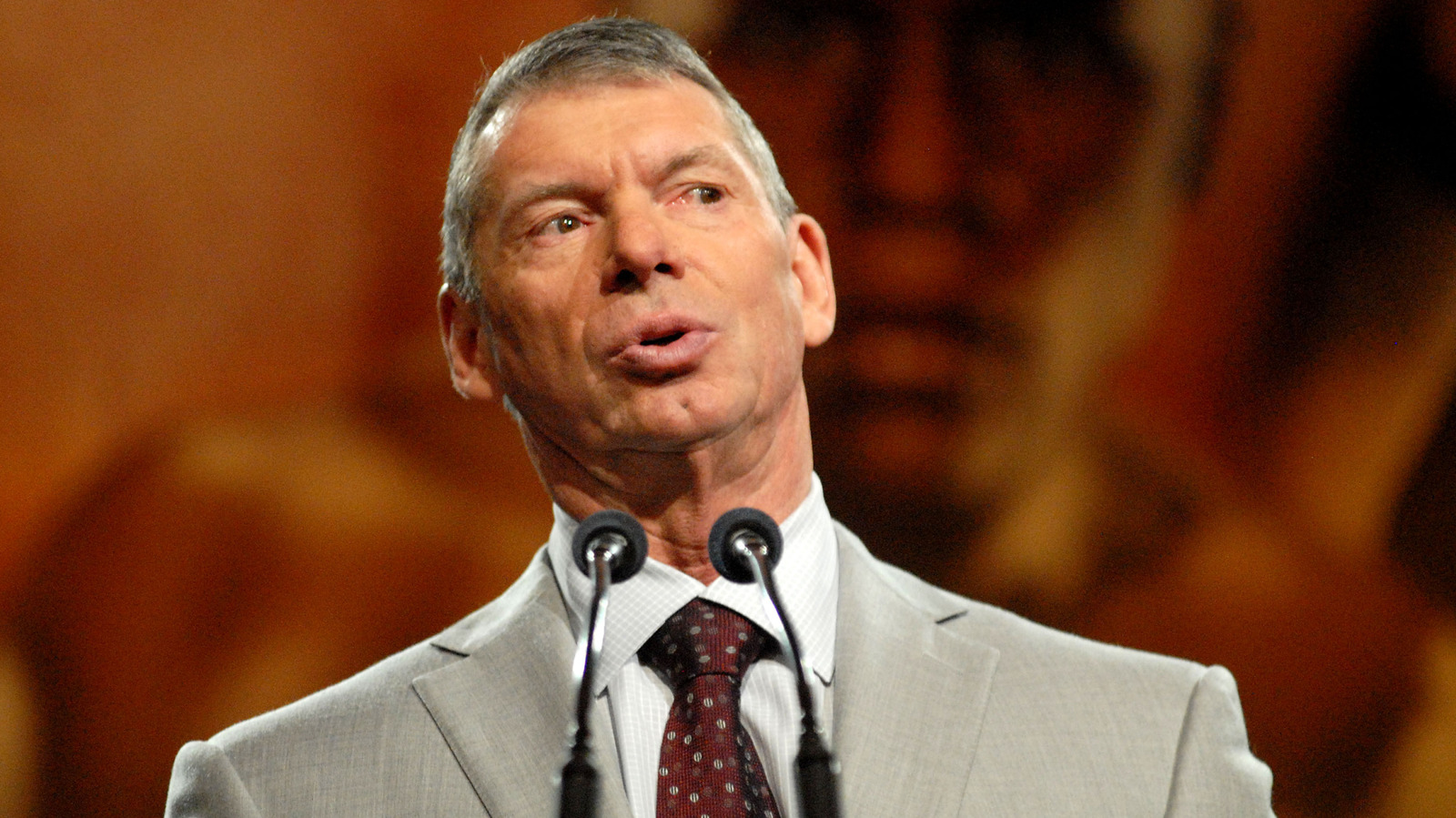
WWE’s legal battle finally comes to a head in court
1 month, 3 weeks agoWWE faces a reckoning as legal shadows loom over the product
3 months, 3 weeks ago
Vince McMahon's legal fallout complicates WWE's creative landscape
1 month, 2 weeks ago
WWE's billion-dollar courtroom headache is looming over the ring
1 month, 3 weeks ago