The MSG Return: A Baseline for Quality
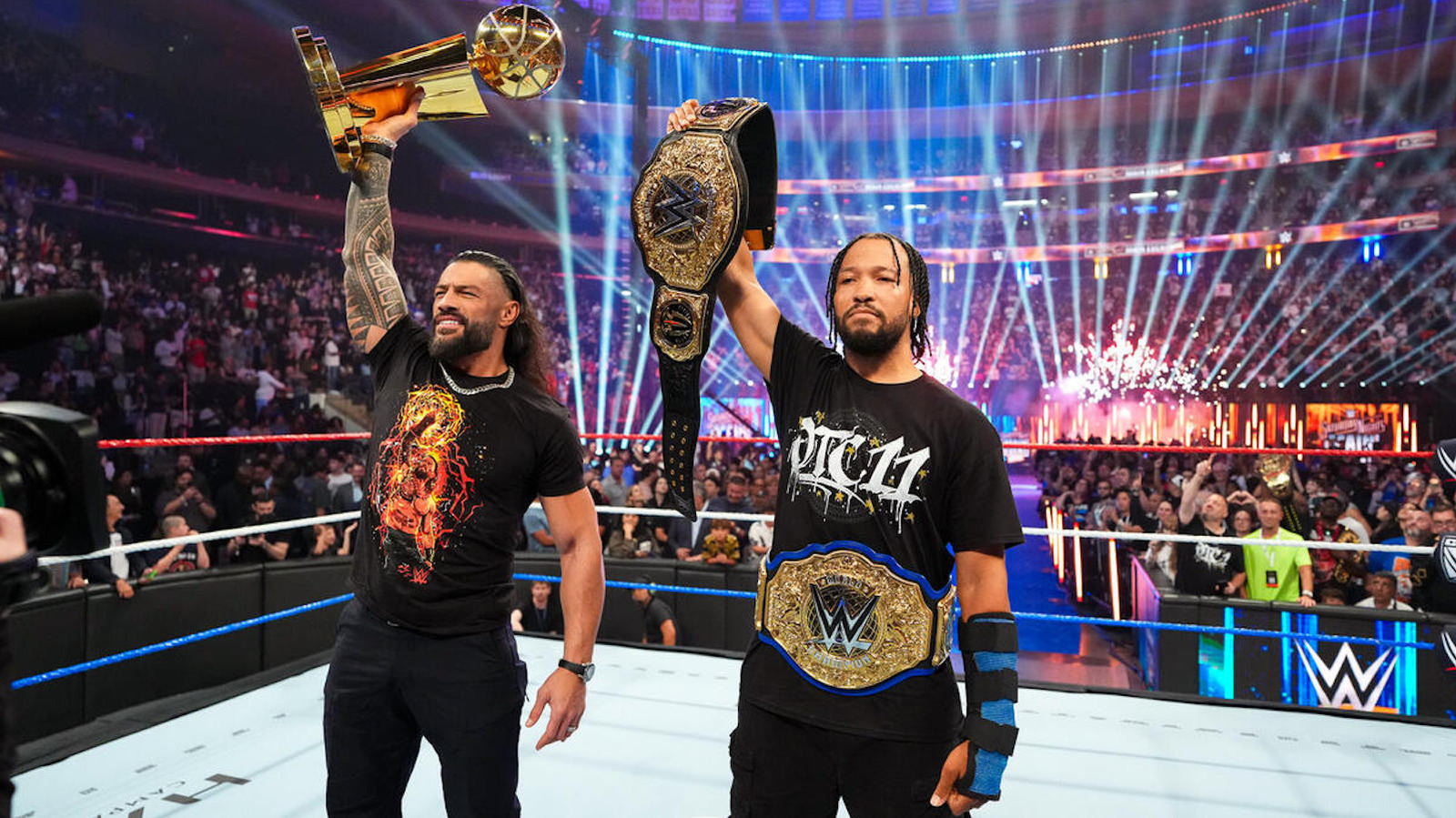
Madison Square Garden remains the standard for live event atmosphere in 2026. Last night's broadcast provided a high-volume showcase of top-tier talent, defining the current momentum of the brand.
These rankings isolate the sequences that altered trajectories. The following entries prioritize in-ring impact, storytelling nuance, and the long-term implications for the roster.
1. The Return of the Main Event
WWE bringing the Saturday Night's Main Event branding back to the World's Most Famous Arena hit peak nostalgia. It signals a shift in strategy for legacy programming, proving that quarterly specials resonate with domestic audiences. Attendance was near capacity, validating the gamble on prime-time weekend scheduling.
2. The Intercontinental Championship Defense
The pacing of the title bout stayed fluid throughout the 22-minute duration. Both competitors utilized the entirety of the ring before the challenger hit a thunderous powerbomb to the floor. Missing the mark on a high-risk splash from the top turnbuckle nearly cost the champion his reign, adding necessary tension to the finish.
3. The Surprise Entrance
A returning veteran intercepted the post-match assault, drawing a massive reaction from the New York crowd. This move effectively clears the path for a SummerSlam program without requiring excessive promo time. While the pop was undeniable, the segment felt slightly rushed to meet the network hard-out.
4. The Women's Tag Team Spotlight
The tag team dynamic featured technical precision that surpassed many recent PLE encounters. A double-suplex counter sequence at the 14-minute mark demonstrated why these four are currently the pillars of the division. Their synergy—if you can call it that—transformed a standard card filler into the highlight of the first hour.
5. The Crowd-Work Masterclass
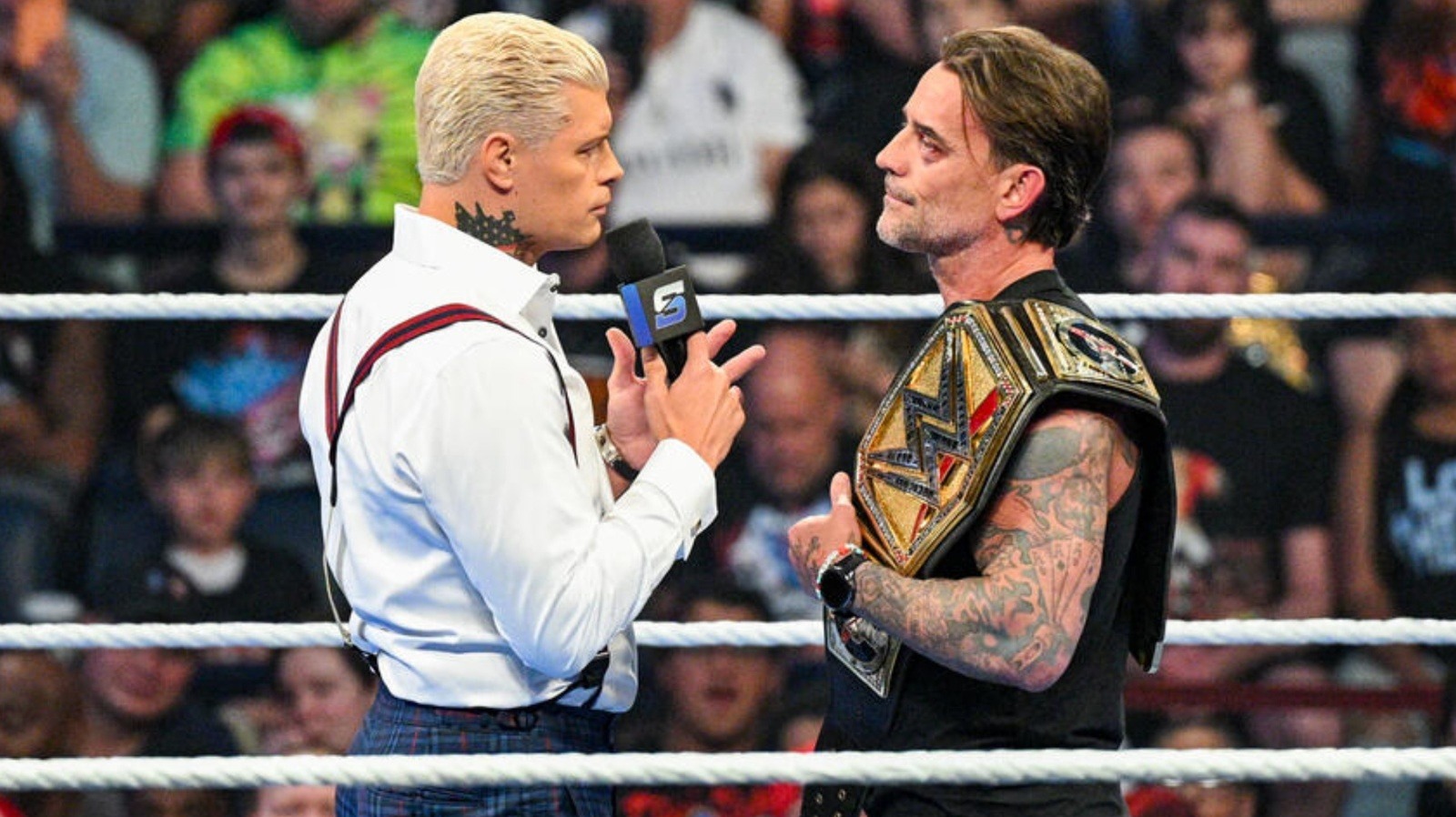
One specific superstar took the microphone and held the room for six minutes without a single interruption. This type of verbal confidence is rare, serving as a reminder that character work wins titles more than move-sets. It established a clear face vs. heel dynamic that current creative often lacks.
6. The Unsanctioned Brawl
Security teams struggled to maintain order during the hallway incident that bled into the concession area. We saw a table spot involving a lighting rig that looked dangerous, albeit effective for TV. It pushes the boundaries of the PG-rating, though some fans might argue it lacks the surgical precision of 2000s-era hardcore spots.
7. The Sudden Championship Pivot
A mid-card contender seized a title match on the fly after a backstage altercation. Booking a title shot on a whim is risky, but it worked here because of the desperation shown by the challenger. It creates a believable upset narrative that keeps the mid-card stakes high.
8. The Tag Team Breakdown
The implosion of the long-standing tag team was expertly paced, concluding with a betrayal that felt earned rather than cheap. The execution of the finishing maneuver—a double-team maneuver turned into a devastating sit-out powerbomb—marked the end of a two-year partnership. Fans are already clamoring for the inevitable grudge match.
9. The Technical Showcase
Two submission specialists engaged in a 10-minute mat-wrestling clinic that focused on limb psychology. While slower than most modern sequences, the narrative logic remained sound as the loser fought to the very end before passing out. This was a throwback to a style rarely seen in the current era of high-speed maneuvers.
10. The Closing Promo Segment
The evening ended on a somber note, as a champion acknowledged the looming threat of the upcoming draft. It was a grounded moment, devoid of pyrotechnics or interference, which felt remarkably refreshing. Managing the ending of a broadcast is an art, and the creative team nailed the tone here.
Honorable Mentions
Several smaller moments deserve credit, including the crisp execution of the secondary tag finishers appearing earlier in the night. The commentary team was particularly sharp, highlighting subtle changes in momentum during the quieter transitions. While some segments felt like filler, the structure remained consistent with recent WWE Saturday Night's Main Event feedback regarding efficiency.
The biggest critique of the broadcast involves the pacing during the third hour, which dragged significantly after the tag team brawl. It is clear that balancing long-form storytelling with high-flying spots remains a work in progress for the current creative staff. Regardless, the event served its primary purpose of setting the stage for the next quarter.