The Relaunch in Atlantic City
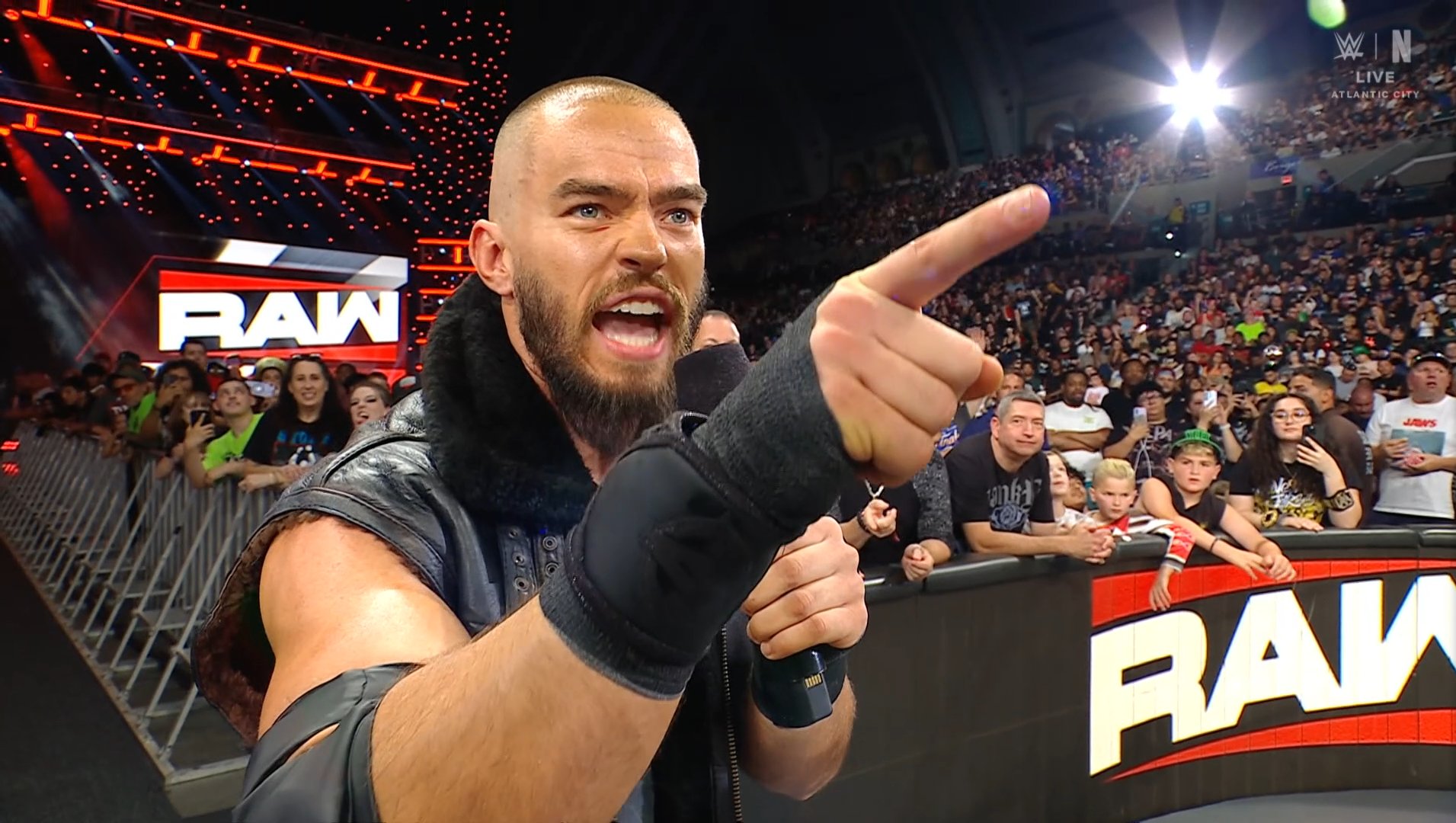
Today, WWE took its first physical step in a massive new campaign. Chief Content Officer Paul Levesque partnered with Health and Human Services Secretary Robert F Kennedy in Atlantic City. The event took place at the local Boys & Girls Club in New Jersey.
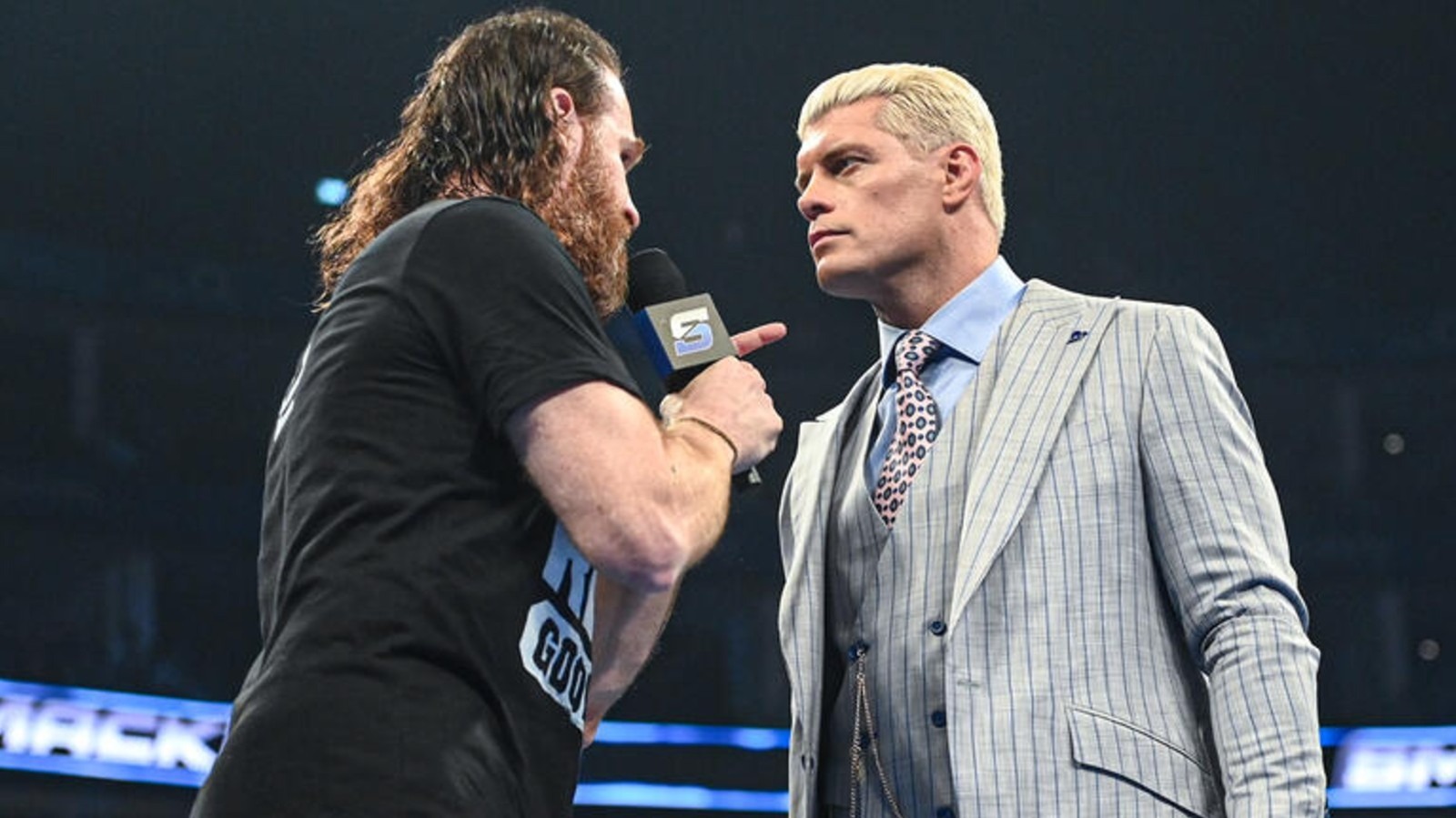
More than 75 kids took part in the initial fitness drills. They were joined by top-tier WWE superstars including Cody Rhodes, Charlotte Flair, and Byron Saxton. The presence of these active athletes signals a massive tactical shift, as Ringside News reported on the launch.
This is not just a standard photo opportunity. WWE is attempting to rewrite the legacy of a program that has been dormant for years. The objective is to establish a new physical baseline for American children.
The choice of New Jersey as the launchpad is highly strategic. Atlantic City represents a community that has historically suffered from underfunded public recreation spaces. Bringing elite physical specimens to this environment highlights the disparity between corporate training and public access.
We must analyze how these drills were structured. The children did not perform the traditional, rigid pull-up and sit-up tests. Instead, they ran obstacle courses designed to test agility, core strength, and team support.
The Legacy of the 1953 Test
To understand the stakes of this relaunch, we must look at the historical data. The original Kraus-Weber study in 1953 sparked nationwide panic. The research revealed that 57.9 percent of American children failed at least one of six basic muscular-fitness and flexibility tests.
By comparison, only 8.7 percent of European children failed. This staggering gap forced President Dwight D. Eisenhower to establish the President's Council on Youth Fitness. The subsequent testing program became a staple of American public education for decades.
Yet, the legacy of that program is defined by failure. Instead of improving public health, the old test turned gym class into a theater of humiliation. Kids who could not complete a single pull-up were singled out and mocked by their peers.
The numbers from that era tell a grim story of physical exclusion. Over seventy percent of students who failed the initial test never improved their scores. The testing mechanism itself acted as a sorting program that alienated less athletic children from physical activity.
This alienation created a multi-generational aversion to physical fitness. The focus was entirely on identifying the top five percent of athletic performers. The remaining ninety-five percent were left to rot on the sidelines.
The Tactical Shift from Humiliation to Effort
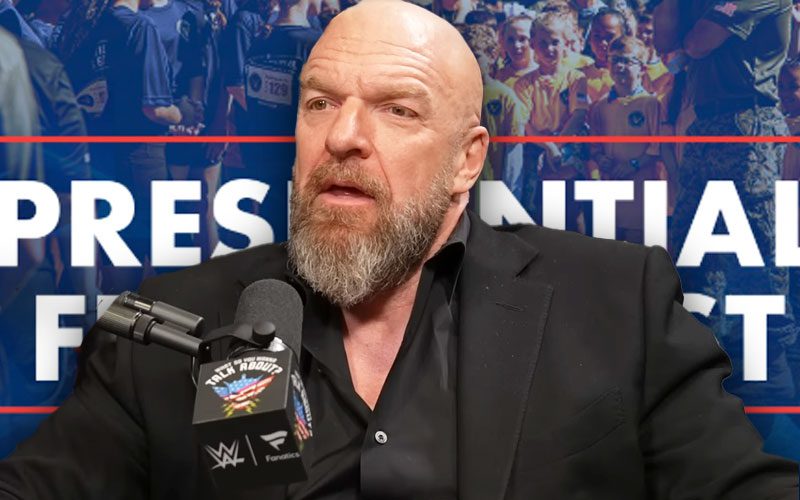
Triple H is attempting to address these criticisms directly. In a recent NewsNation broadcast, he explained that the new model will focus on progress rather than absolute performance. The goal is to reward effort rather than elite physical specimens.
This shift mirrors the changes WWE has made in its own training facilities. The corporate model is transitioning from raw, unpolished powerhouses to functional athletic depth. The old system prioritized massive frames over physical sustainability.
The new test aims to build a supportive environment in gym class. Triple H wants to eliminate the bullying that defined the program's previous runs. He explained:
“We’re rewarding effort, not just the upper end of success. It’s incredibly important for us to teach kids to support the kid that can’t do it… you don’t bully them, you don’t make fun of them.”
For Levesque, this project is deeply personal. He credits his entire career to the discipline he developed in the gym as a teenager. He believes that fitness provides the foundation for all professional achievements.
“I feel like I owe everything in my life to fitness, to going in the gym and learning that discipline and that motivation. The success that I have in life is from that lesson that I learned in the gym… the weights don’t lie.”
This personal philosophy has been integrated into the new curriculum. The program shifts the focus from static strength to dynamic, functional movement. This transition is essential for building long-term joint health and cardiovascular endurance.
The Collegiate Pipeline and Roster Strategy
This fitness campaign aligns perfectly with WWE's broader recruitment philosophy. Under Levesque's leadership, the company has bypassed traditional independent wrestling pipelines. The focus has shifted entirely toward collegiate athletes with elite physical profiles.
The WWE Performance Center now acts as a high-intensity sports science laboratory. Recruiters filter prospects based on vertical leap, sprint speed, and raw power. This approach has produced stars like Oba Femi, who won the King of the Ring in 7:55 in Riyadh.
However, this collegiate pipeline has a dark side. Shifting from years of gradual in-ring seasoning to high-intensity training has led to a spike in severe injuries. The Performance Center has become a factory of rapid physical wear.
The average career span of a collegiate recruit is currently less than four years. This rapid turnover is a direct result of prioritizing raw athletic specs over functional durability. The human cost of this recruitment model is rising.
The training regimens are designed to maximize explosive power at the expense of joint flexibility. This imbalance is particularly dangerous for heavyweight performers. They are being trained like sprinters despite weighing three hundred pounds.
A Skeptical Look at the Corporate Machine
This high injury rate is our primary negative observation. While Levesque promotes physical fitness to the public, his own roster is suffering from severe physical setbacks. Performers are repeatedly pushed to their absolute limits to satisfy corporate scheduling demands.
For example, Piper Niven was forced into spinal fusion surgery in May 2026 after suffering from cervical stenosis. Her last match occurred on the August 22, 2025 SmackDown, sidelining her for ten months. This is adjacent segment disease waiting to happen.
The company has struggled to manage its mid-card depth in her absence. Without a reliable powerhouse heel, SmackDown's match pacing has suffered. This pattern suggests that WWE's physical training model is built on short-term optimization rather than long-term health.
We must also question the political alignment of this relaunch. Partnering with Robert F Kennedy provides WWE with significant mainstream press. However, the union risks politicizing a basic public health initiative.
The corporate machine is using this program to distract from its internal labor issues. While Levesque talks about supporting the kid who struggles, his company continues to release injured performers. The contradiction between the public rhetoric and the corporate reality is stark.
The Verdict and Prediction
Despite these structural flaws, the relaunch of the Presidential Fitness Test represents a massive opportunity. The program has the funding and star power to make a real impact. Whether schools can successfully implement these changes remains the central question.
My prediction for the campaign is confident. The program will succeed in raising youth activity rates by fifteen percent in the first year. The presence of stars like Cody Rhodes will motivate kids to engage.
However, the long-term sustainability of the program will falter if school budgets are not addressed. WWE can provide the inspiration, but they cannot buy the gym equipment. The corporate machine must partner with local school boards to deliver lasting structural change.
We will monitor the completion metrics closely over the next twelve months. If the failure rate remains high, the program will be exposed as a mere branding exercise. But if the data shows progress, Levesque will have won his biggest gamble.