
Viewership wars are getting ugly and nobody is telling the truth
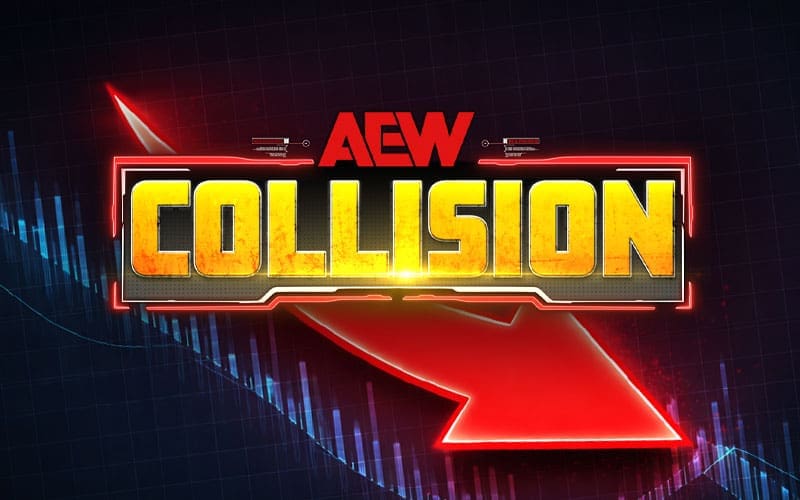
The metrics deception game
The numbers industry in professional combat sports has reached a point of absurdity. On June 13, 2026, the latest AEW Collision broadcast on Netflix experienced a sharp decline that left analysts scrambling to recalibrate their regression models. It is not just the drop itself that concerns those who track these things; it is the total lack of transparency in how streaming platforms aggregate these figures. The transition from linear cable tracking to black-box streaming metrics has effectively created a vacuum where promoters can claim success regardless of reality.
We are seeing this play out in the octagon as well. Following UFC Freedom 250, various camps circulated figures suggesting historic reach for the event. However, Dave Meltzer was quick to dismantle these reports during Wrestling Observer Radio, explicitly noting that the massive claims shut down under basic scrutiny. When promoters fight for control of the narrative, the fans lose the ability to measure the actual health of the product.
The money talk fantasy
Conor McGregor, ever the master of the public pivot, recently made waves by suggesting that a prominent top-tier boxer rejected a $200 million payday for a crossover megafight. McGregor’s ability to dominate the news cycle remains unmatched, even when no contract has crossed a desk. According to F4WOnline, these figures are being floated in a climate where actual fight purse transparency is at an all-time low. It suggests a move toward performative negotiation, where the dollar amount matters more than the actual bout agreement.
This is a cynical evolution of the fight game. Rather than building a program through long-term storytelling, the focus has shifted to leaked wage figures and inflated viewership projections. When the conversation revolves around the value of the check rather than the quality of the main event performance, the sport suffers. Professional wrestling and MMA are becoming indistinguishable in their reliance on these empty PR cycles.
Checking the tape
The disparity between the hype and the viewership reality found in the weekly analysis shows that the audience is starting to notice. You cannot simply blast out inflated numbers for long, especially when the card quality fails to match the marketing spend. If the product lacks a coherent thread—if it's just a series of high-budget promos followed by under-delivered fights—the casual observer eventually finds something else to do on a Saturday night.
The drop-off for Collision is a symptom of a larger issue. When the booking feels detached from what the audience actually wants to see, the core viewership will shrink regardless of the distribution platform. Streaming on Netflix should, theoretically, provide a wider reach, but if the content is stale, the convenience of the app doesn't save the program. It is time for promoters to stop chasing vanity metrics and start focusing on the actual quality of the product in the ring.
Where the booking goes wrong
There is a dangerous trend favoring rapid turnarounds over deep character work. We are seeing major stars moved from rivalry to rivalry without any sustained personal stakes. This creates a situation where a 15-minute match can feel meaningless because the audience hasn't been given a reason to care about the outcome beyond the names on the marquee. You can’t book your way out of a creative dry spell with creative accounting and social media posturing.
If the industry doesn't pull back from this obsession with algorithmic marketing, we are going to see a persistent slide in interest that no amount of spin can hide. Fans are smarter than these platforms give them credit for. They can count a gate, they understand the difference between a high-stakes match and a filler segment, and they are tired of being treated like a stat on a quarterly earnings call. The remedy is simple: put on better fights and stop pretending the house is full when the seats are empty.
Mueller Sports Medicine Self-Adjusting Knee Stabilizer
Essential gear for the backyard superstar or gym warrior.
Frequently Asked Questions
Why are current viewership numbers considered unreliable?
What happened to the AEW Collision ratings on June 13, 2026?
How did Dave Meltzer address UFC Freedom 250 viewership claims?
What is the trend regarding fight purse transparency in combat sports?
What is causing the decline in professional wrestling viewership?
More Coverage
Roman Reigns at the White House is a strange hill to die on
an hour ago
Conor McGregor is playing everyone for fools about a WWE run
16 hours ago
Conor McGregor is right to be annoyed by the Roman Reigns crossover
21 hours ago
The math behind combat sports' biggest financial bluffs
1 day, 3 hours ago
Kayla Braxton’s departure exposes WWE's extreme broadcast micromanagement
1 day, 13 hours ago
UFC Freedom 250 was a fever dream that nobody asked for
1 day, 21 hours agoMore Analysis
Layla chose pride over a Playboy paycheck and she was 100% right
an hour ago
TNA is clearing the decks to make way for a major roster refresh
an hour ago
Lexis King is finally playing the hand he was dealt
an hour ago
The Tommy Dreamer era ends in TNA and the locker room is already buzzing
an hour ago
Top 10: 6/17 Dynamite fallout and news
an hour ago