The shareholder lawsuit shifts focus to company governance
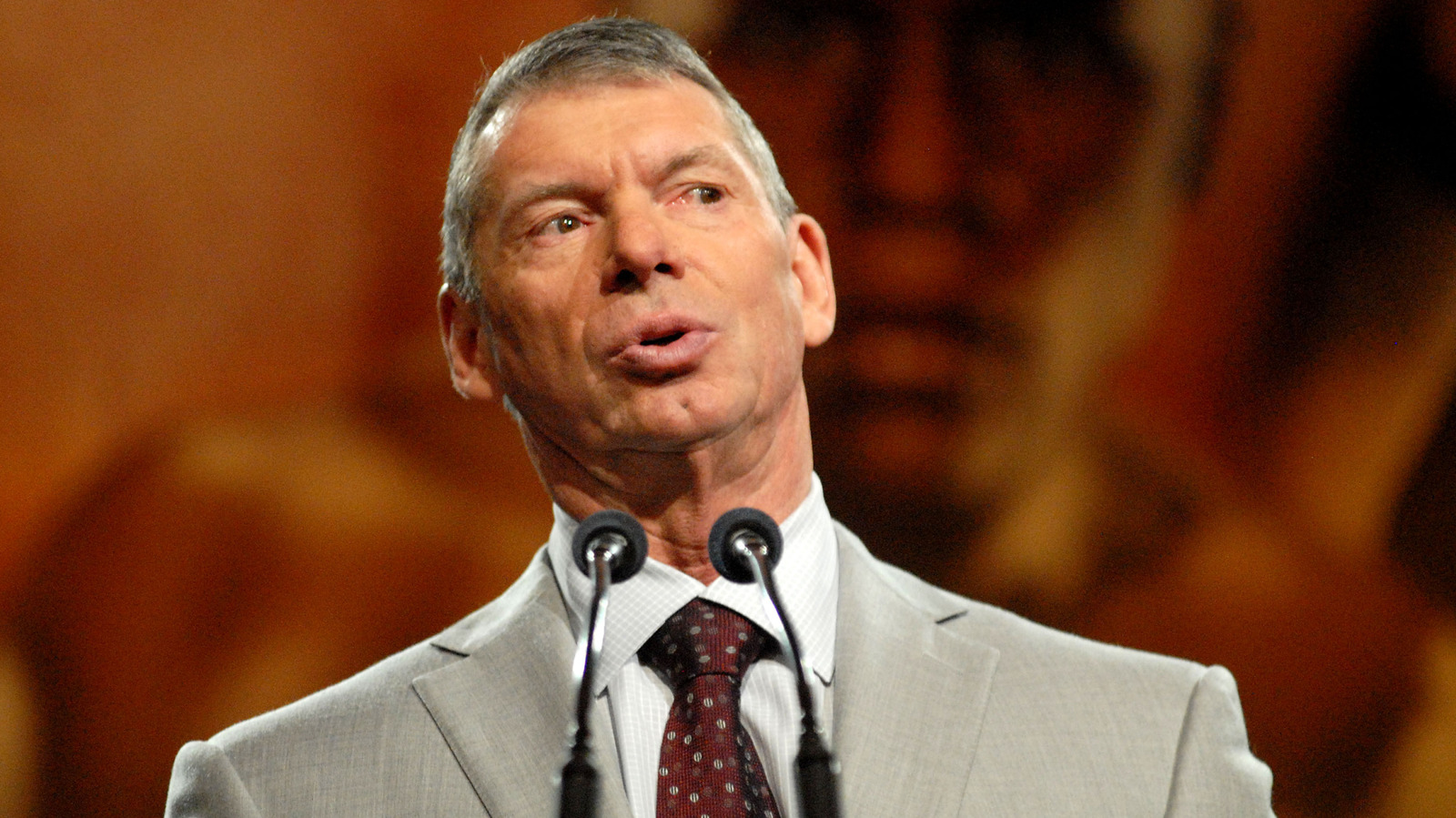
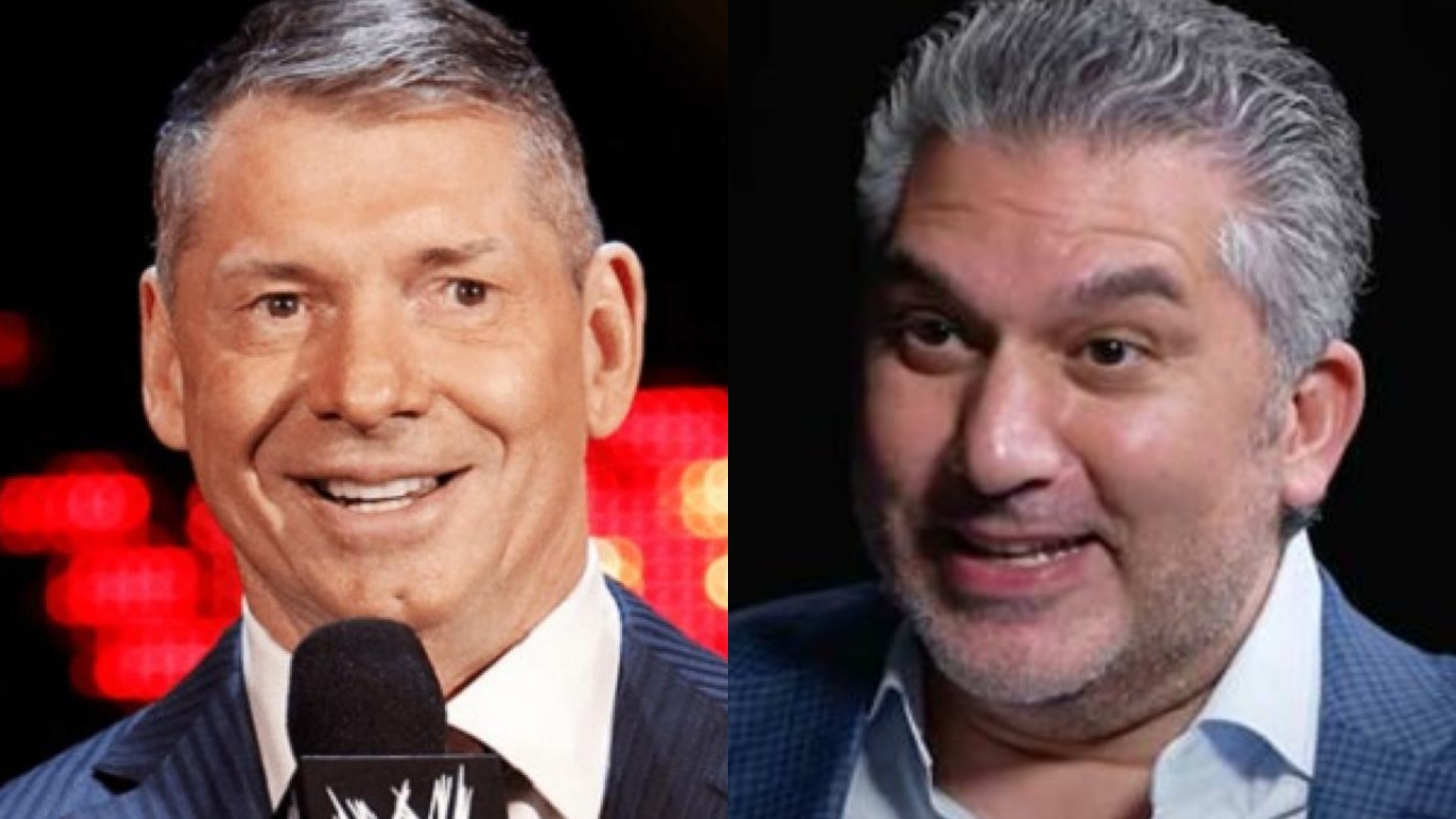
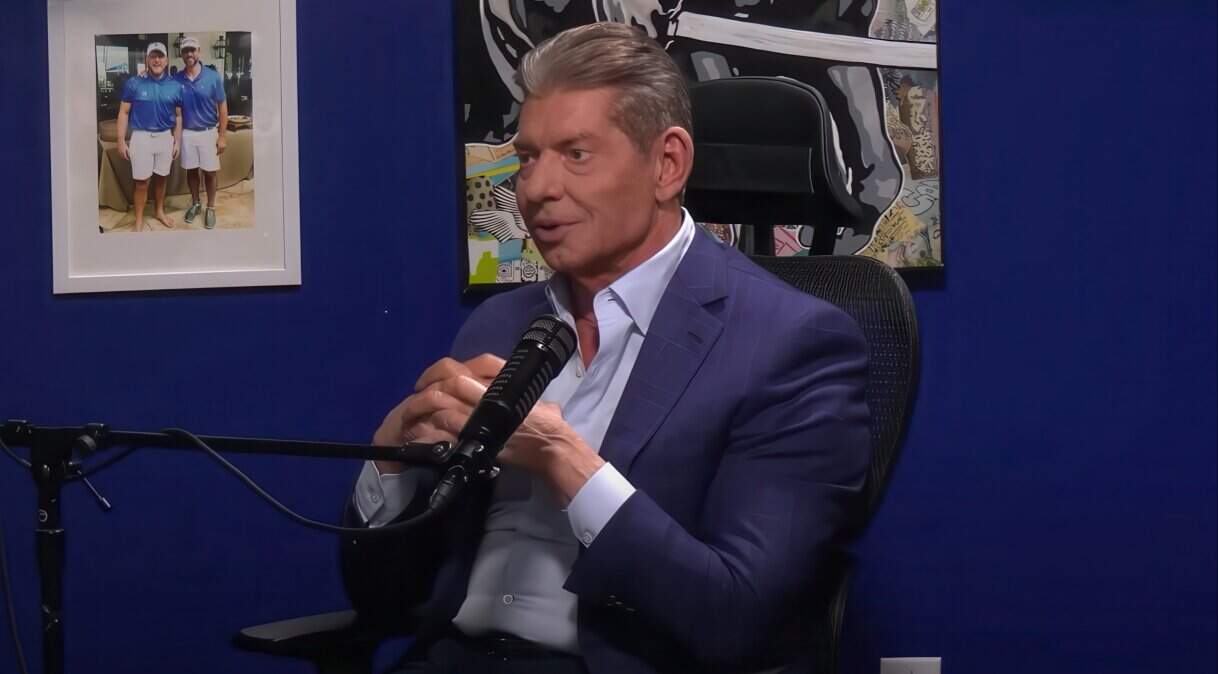
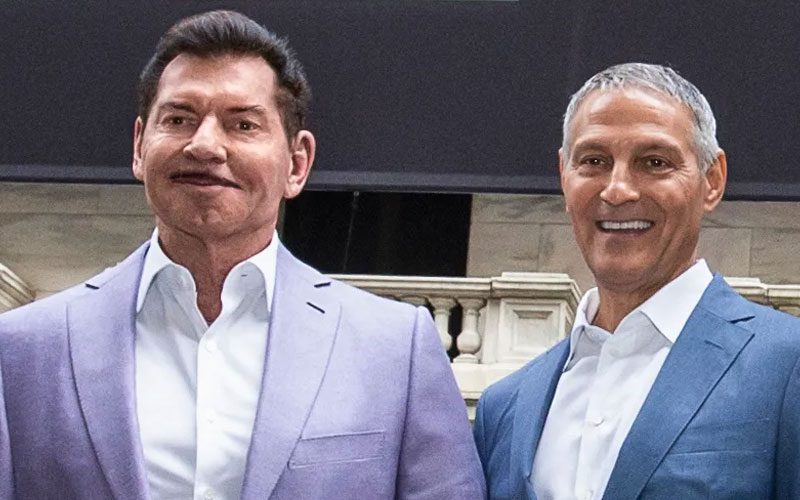
The WWE shareholder lawsuit is officially heading to trial, and the legal discovery process has prioritized the professional relationship between Vince McMahon and Ari Emanuel. Plaintiffs are currently scrutinizing the dynamic between the two, specifically regarding how corporate oversight failed during periods of significant internal turmoil. This legal hurdle creates a difficult environment for current management as they transition away from the McMahon era.
As reported by Ringside News, the filing examines whether the long-standing personal ties hindered objective decision-making at the board level. The core of the plaintiffs' argument rests on whether shareholders were misled or if proper safeguards were ignored to protect McMahon's interests. This reflects a broader trend of corporate governance litigation that has recently disrupted major media holding companies.
The human cost of the McMahon era scandals
Beyond the courtroom, the fallout from the well-documented McMahon scandals has fundamentally altered the long-term outlook for the next generation of the founding family. Stephanie McMahon, appearing on a recent program, confirmed that her own household was not immune to these shifts. Her oldest daughter, Aurora, had expressed genuine interest in pursuing a career within the industry prior to the onset of the recent controversies.
According to reports from Wrestling Inc, these plans were abandoned as the negative publicity surrounding the company reached its zenith. For a performer or aspiring talent, the association with the McMahon name has shifted from an asset to a potential obstacle for professional growth. This cooling effect extends to how executives now view legacy hires in a post-Vince environment.
A pattern of erratic institutional decision-making
New details regarding the internal culture under the previous regime highlight a history of arbitrary decision-making that often marginalized high-level talent. Bryan Danielson, currently a major force in the industry, initially faced significant resistance from Vince McMahon for a reason as mundane as his dietary choices. McMahon reportedly struggled to support Danielson's push because of his status as a vegan, an anecdotal example that underscores how personal biases dictated creative direction.
Similarly, the recent disclosures from LA Knight regarding his initial call-up underscore a period of professional disorientation. Per recent accounts, talent was subjected to instructions that often appeared detached from basic character development or logical storylines. The combination of erratic booking and a disregard for proven talent metrics created a ceiling for many performers that they are only now beginning to break through.
The strategic implications for current WWE management
The pressure on WWE to distance itself from these methodologies is intense. As the trial moves forward, management must reconcile its past with its desire to present a modern, normalized corporate image to investors. Maintaining this image while litigating the behavior of their former chairman is the immediate hurdle. The company is actively attempting to shift the focus to its current output, but the past is not staying buried.
- Litigation focus: Examining the McMahon-Emanuel relationship at the board level.
- Family impact: The decision by the next generation to disengage from the industry.
- Creative legacy: The revelation of arbitrary booking standards under previous management.
The total legal exposure remains significant. If the discovery process continues to surface similar patterns of behavior—like the documented initial resistance toward stars like Danielson or the aimless directives given to current main-eventers—public confidence in the clean-up effort will likely shrink. While analysts often emphasize that institutional momentum eventually heals these wounds, the legal process moves at a much slower, more unforgiving pace.
The takeaway for the industry is clear: the era of the 'autocratic visionary' has left a mess that lawyers are currently trying to mop up. The company must prove that its new oversight is more than just a marketing pivot. If they cannot definitively move past the documented internal dysfunction of 2022-2025, the brand risks being permanently tethered to the wreckage of a previous administration. The 2026 calendar year will be defined by how cleanly they manage this messy divorce from their own history.