The blurring lines of performer responsibility
Professional wrestling does not exist in a vacuum. Wrestlers operate under heightened public scrutiny where private conduct is often treated as fair game for betting odds and social media interrogation. The ongoing headlines regarding Matt Riddle and his partner, Misha Montana, illustrate a recurring tension in the modern industry: how much of a performer's off-screen reality should define their television output?
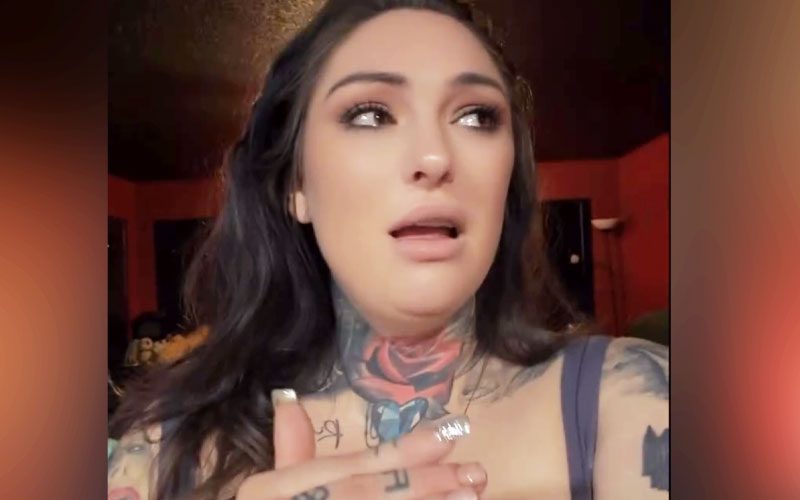
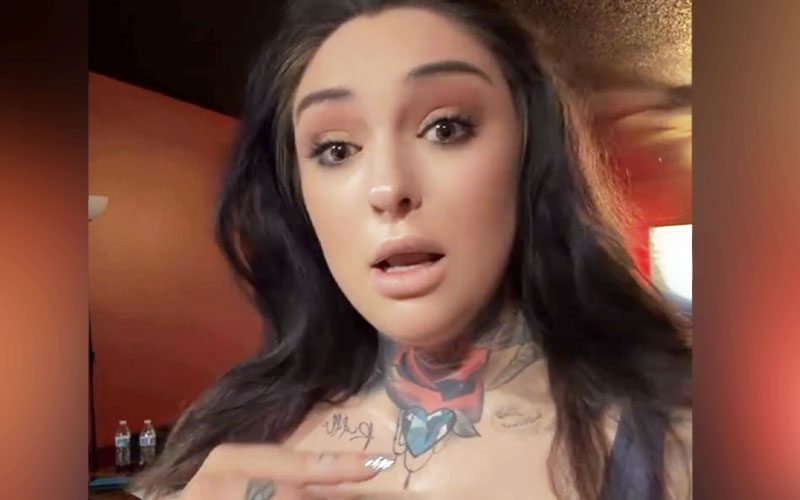
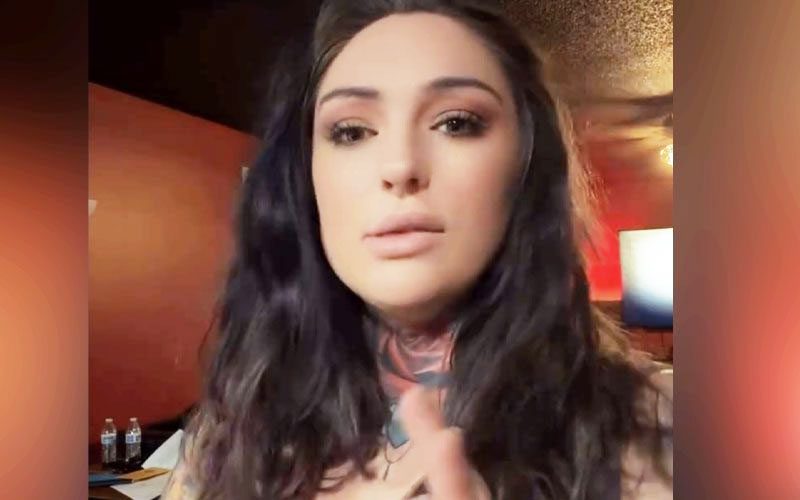
Reports indicate that Montana has recently taken a firm public stance to address allegations regarding her private life. As Ringside News noted, Montana is choosing to confront these claims directly rather than allowing the narrative to linger in the background of Riddle's professional appearances. This shift in communication strategy is a stark departure from the typical "no comment" playbook often deployed by talent managers.
Tactical friction and the loss of momentum
Riddle remains a high-velocity operator, but the inconsistency of his booking remains a glaring flaw. His tendency to engage in high-risk strikes—often relying on his background in competitive MMA—has occasionally left him over-extended in the ring. Look at his recent exchange sequences where he favors the flash of a flying knee rather than tactical positioning.
When a performer creates noise outside the ring, the crowd reaction becomes unpredictable. Management must decide if the risk of a distracted performer aligns with their long-term growth objectives. If the locker room morale shifts based on external optics, the booking team is essentially maneuvering with one hand tied behind their back.
The cost of reputational volatility
We see a clear pattern when personal issues consume space in the news cycle. The focus shifts from the canvas to the court of public opinion. When you strip away the spectacle, what remains is an individual whose utility is tied to their availability and the audience's willingness to invest in their persona.
The industry standard for handling such volatility has proved inadequate. Instead of clear guidelines, we see knee-jerk reactions from booking committees that satisfy neither the talent nor the viewer. If your primary draw is fighting to manage a PR disaster, their technical proficiency in the ring—no matter how sharp their transitions or how tight their lock-up—effectively loses its value.
Prediction: The inevitable cooling period
Expect Riddle to be kept off high-stakes main events in the coming month. The risk/reward ratio on his screen time is simply too low while these private matters draw heat. Booking him in secondary programs that test his endurance rather than his drawing power is the logical play to mitigate potential damage to the brand.
He is talented, but discipline is the foundation of any sustained career. Until these external distractions dissipate, expect a 30 percent reduction in his high-profile television segments. This isn't just about PR; it's about the cold reality of roster stability in a global operation.