When the lines between kayfabe and cruelty blur beyond repair

The dark side of the digital wrestling discourse
In the modern era of professional wrestling, the barrier between the performer and the fan has never been thinner. We live in a world where social media has granted unprecedented access to our favorite stars, allowing for a level of engagement that was once the stuff of fantasy. However, that same accessibility has birthed a toxic undercurrent that threatens to poison the very industry we love. The recent, harrowing situation surrounding Samantha Irvin—the voice of modern wrestling—serves as a grim reminder that some fans have forgotten how to distinguish between a scripted narrative and a human life.
The controversy, which stems from the professional departure of Ricochet, has spiraled into an indefensible campaign of harassment. It is a sad commentary on the state of fandom when a professional announcer, whose only crime is performing her job with excellence and navigating the complexities of her personal life in a public forum, becomes the target of death threats. This isn't just 'passionate' fandom; it is a clinical demonstration of the worst impulses of the internet age.
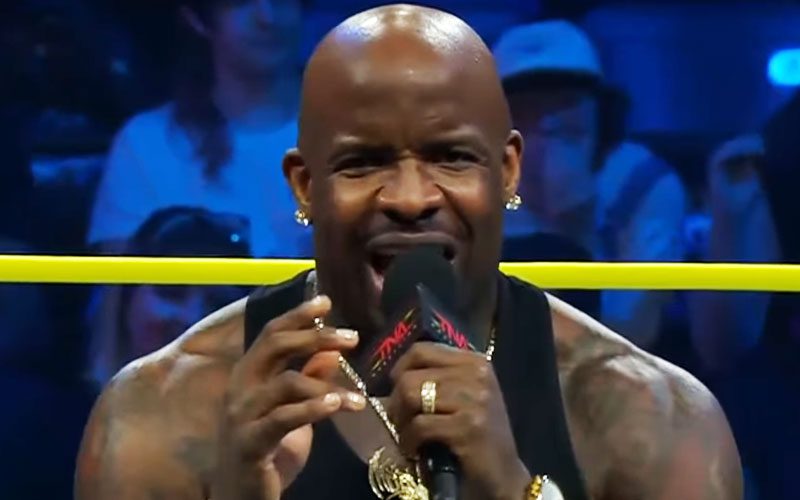
Moose steps into the fray
It takes a certain kind of courage to step away from the spotlight of one's own promotion to address the failures of another fanbase. Moose, the formidable TNA World Champion, did exactly that this week. By publicly throwing his support behind Irvin, he didn't just offer a platitude; he drew a line in the sand. When a peer of his stature speaks out, it forces the entire industry to confront the elephant in the room: the normalization of abuse directed at those who entertain us.
The vitriol directed at Samantha Irvin is not a byproduct of wrestling passion; it is an indictment of a culture that feels entitled to own the lives of the people they watch on television.
Moose understands, perhaps better than most, that the ring is a place where we suspend our disbelief. We cheer for the hero, we boo the villain, and we invest in the drama. But when the house lights go down and the cameras stop rolling, the performers are not characters in a video game. They are athletes, artists, and human beings who deserve the same baseline of safety and respect as any other professional in any other field.
The anatomy of a toxic cycle
Why does this keep happening? The answer lies in the parasocial relationships that wrestling uniquely nurtures. Because wrestling presents itself through the lens of 'reality-based' fiction, it encourages fans to feel like they are part of the inner circle. When something happens that contradicts a fan's personal head-canon—or when a performer makes a career move that a segment of the audience dislikes—that sense of 'closeness' curdles into a sense of ownership.
- The blurring of boundaries between persona and person.
- The anonymity provided by social media platforms that lack accountability.
- The 'tribalism' that views every career move as a slight against a specific brand.
- The failure of online communities to self-moderate against harassment.
When Ricochet made his decision to move on, he was exercising his rights as a professional. To project that frustration onto Samantha Irvin is not only illogical, it is cowardly. Those sending threats are hiding behind screens, weaponizing their disappointment in a way that is utterly detached from the reality of the wrestling business.
The responsibility of the platforms
While Moose deserves credit for his vocal defense, we must also ask where the accountability lies for the platforms that allow this behavior to fester. Social media companies have long been slow to address targeted harassment, often hiding behind the guise of 'free speech' while allowing their ecosystems to become breeding grounds for vitriol. When a death threat is issued, it is no longer a matter of opinion; it is a criminal matter.
The wrestling industry, for its part, has made strides in protecting the mental health of its talent. We see more resources devoted to counseling and support systems than ever before. Yet, the external pressure remains. If the industry wants to continue growing as a mainstream entertainment powerhouse, it must find a way to shield its talent from the dark corners of the internet. Silence in the face of such abuse is effectively an endorsement of it.
Moving toward a better standard
We need more leaders like Moose to continue speaking up. We need the promotions themselves to take a harder line against fans who cross the line from critique to cruelty. Most importantly, we need a cultural shift within the wrestling community itself. The next time you feel the urge to lash out on social media because you don't like a booking decision, a contract negotiation, or a personal life update, take a second to remember that there is a person on the other side of that screen.
Professional wrestling is supposed to be an escape. It is meant to be a spectacle that brings us together, not a tool for division and harassment. If we allow the toxicity to continue unchecked, we risk losing the very magic that makes this industry so special. Let Samantha Irvin be the last person who has to endure this kind of treatment. The fans who choose to be better are the ones who truly keep this business alive—the others are just noise that we would all be better off without.
WWE Jey Uso YEET Authentic T-Shirt
Join the YEET movement with Jey Uso's viral catchphrase tee.
Frequently Asked Questions
Why is Samantha Irvin being harassed by wrestling fans?
How did Moose respond to the harassment of Samantha Irvin?
What causes toxic behavior in the wrestling fanbase?
Why does wrestling uniquely foster parasocial relationships?
What is the industry's responsibility regarding fan harassment?
More Coverage
Top 10: Defining Wrestling Moments of the Modern Era
6 hours ago
WWE shifting Money in the Bank off its summer slot is a wild gamble
7 hours ago
The July 18th weekend reveals a fractured wrestling identity
9 hours agoDanhausen needs more than a curse to survive Raw
10 hours agoOn This Day in Wrestling: July 21
10 hours ago
Injury report update: Assessing the status of top WWE talent
11 hours agoMore Match Reports

Samantha Irvin’s exit from Twitter proves wrestling fans have crossed a line
4 months ago
Why the modern wrestling landscape is failing its most vital performers
4 months ago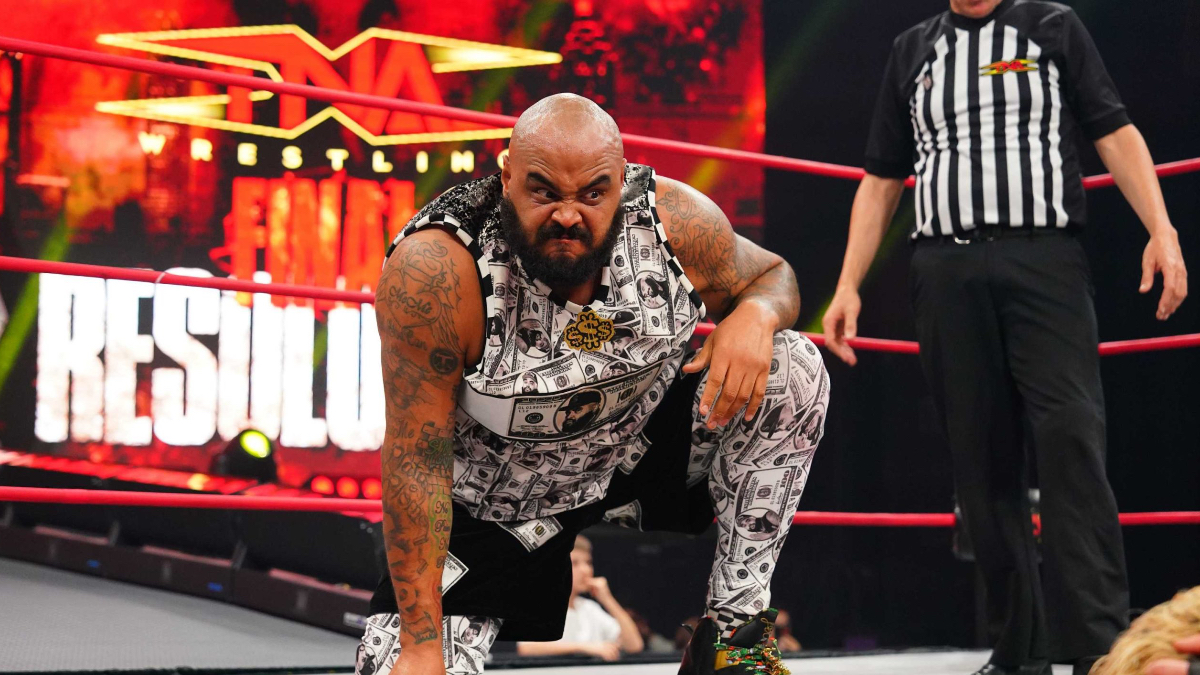
Deonna Purrazzo and the ugly side of fan interaction
4 weeks, 1 day ago
Stalking isn't fandom: Why WWE talent deserve their privacy back
1 month ago
Damian Priest is right: Being a fan doesn't give you a free pass
3 days, 2 hours ago