
Why Ethan Page is wrong to police fan singalongs
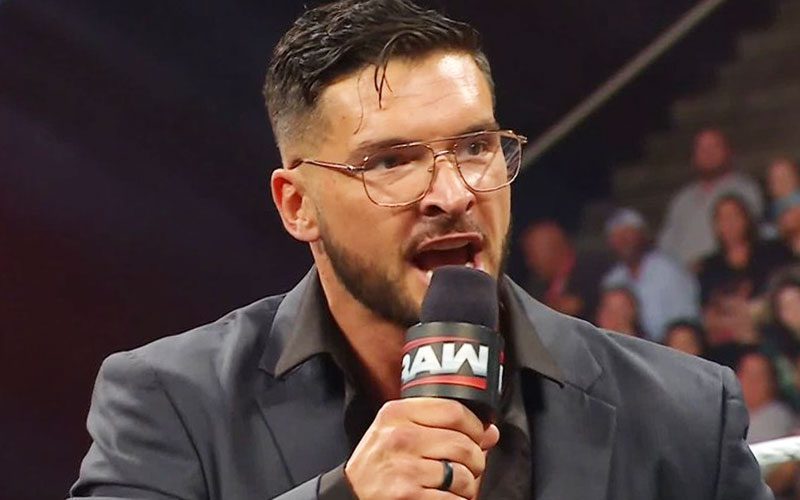
The sanctity of the entrance ramp
Ethan Page has taken a stand against a growing trend in professional wrestling: fans vocalizing their way through entrance themes. Speaking recently to Chris Van Vliet, Page articulated the view that when audiences insert themselves into the performance through choral participation, the character on the ramp suffers to a degree that compromises the presentation.
It is a bold contention, rooted in a traditionalist view of the performer-audience dynamic. Page suggests that the entrance is a sacred space for the athlete to establish presence, persona, and hierarchy. To him, the hum of the crowd is a distraction that shifts the focus from the worker to the participants in the seats.
Yet, looking at the history of the industry, this perspective feels out of touch with the reality of fan engagement. When fans adopt a theme, they are not hijacking it; they are validating it. Whether it is the rhythmic chanting surrounding Nakamura’s old theme or the vocal accompaniments in modern promotions, this behavior acts as a measure of a wrestler’s connection to their constituency.
The data behind the crowd reaction
If we treat an entrance like a tactical setup in a tactical match, we must evaluate its efficiency. The objective of an entrance is to create anticipation for the upcoming engagement. If the audience is already engaged to the point of vocalizing, the promotion has succeeded in building a pre-match heat index that exceeds typical expectations.
Ethan Page argues that this phenomenon is a problem for those attempting to maintain a specific character arc. He believes the performer loses control over their own narrative entrance. If a heel or face enters, the tone is supposed to be dictated by their music and gait, not by the rhythmic singing of the cheap seats.
However, modern matches often rely on the atmosphere created by the crowd to sustain momentum during the opening minutes. The data on viewer retention often aligns with segments where crowd participation is at its peak. When fans are invested enough to rewrite the lyrics or mirror the melody, the interest level, or xG for a successful broadcast segment, typically climbs.
The danger of sanitized performances
There is a risk in Page’s philosophy. By demanding a return to passive viewership, wrestlers risk creating an environment that feels sterile and rehearsed. Wrestling differs from theater in that the audience is permitted, and often encouraged, to break the fourth wall.
Consider the logic behind Ethan Page’s comments on entrance themes, which highlight his annoyance with the distraction factor. He is essentially asking for a return to the mid-2000s model where the crowd sat on their hands until the lock-up. That model ignores the natural evolution of the product into a more interactive sporting experience.
Booking a show is about creating moments. If a theme becomes a cultural touchstone that the crowd wants to participate in, the appropriate reaction from the performer should be to lean into that energy rather than attempt to stifle it. A wrestler who is annoyed by their own success is a wrestler who has lost the plot.
Missed opportunities in crowd management
While Page is fundamentally off-base, his frustration does reveal a legitimate flaw in how modern characters are developed. If you are a heel and the crowd is singing your song with pure joy, your gimmick has failed. If the music serves the character properly, the crowd should want to boo, not harmonize.
The issue is not the singing; the issue is the lack of alignment between the performer's intent and the music’s design. If a wrestler creates a theme that is inherently 'singable' for a babyface audience, they cannot complain when the crowd obliges. The lack of foresight in crafting themes that generate genuine heat rather than passive enjoyment is the real oversight.
Ultimately, a wrestler who cannot control the narrative when 15,000 people are singing is struggling with their own craft. The fans are the only metric that matters in the long run. To alienate them for participating is a tactical error that will only serve to distance the performers from their most vocal supporters.
WWE Championship Belt Towel
Take the gold to the gym or the beach like a true champion.
Frequently Asked Questions
Why does Ethan Page dislike fans singing along to entrance themes?
Who did Ethan Page share his thoughts on fan singalongs with?
How do fan singalongs affect wrestling viewer retention?
What risk do wrestlers face by demanding passive crowd viewership?
What is the primary purpose of a wrestler's entrance?
More Coverage
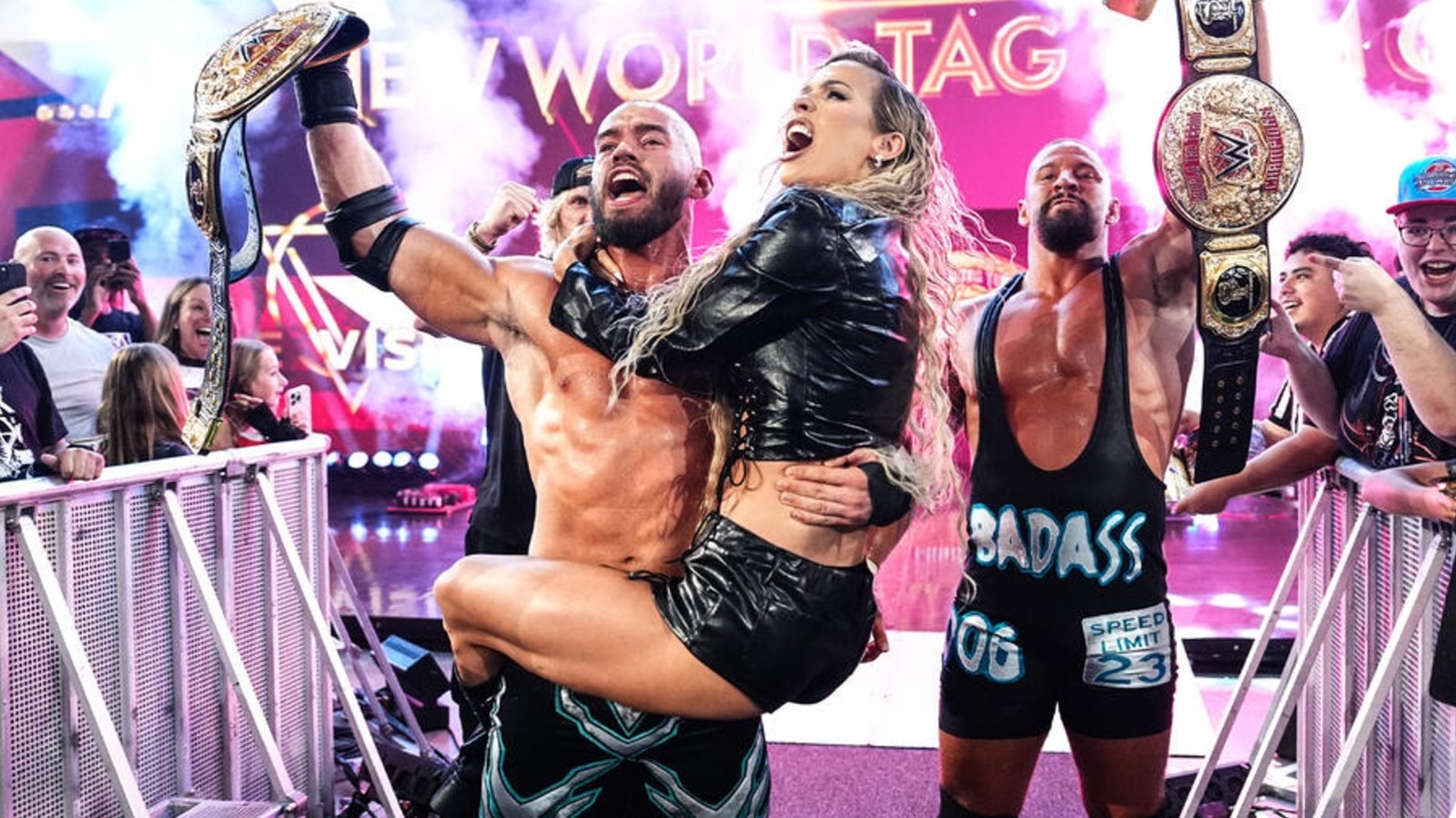
Maxxine Dupri's pivot is absolute chaos and I am living for it
2 hours ago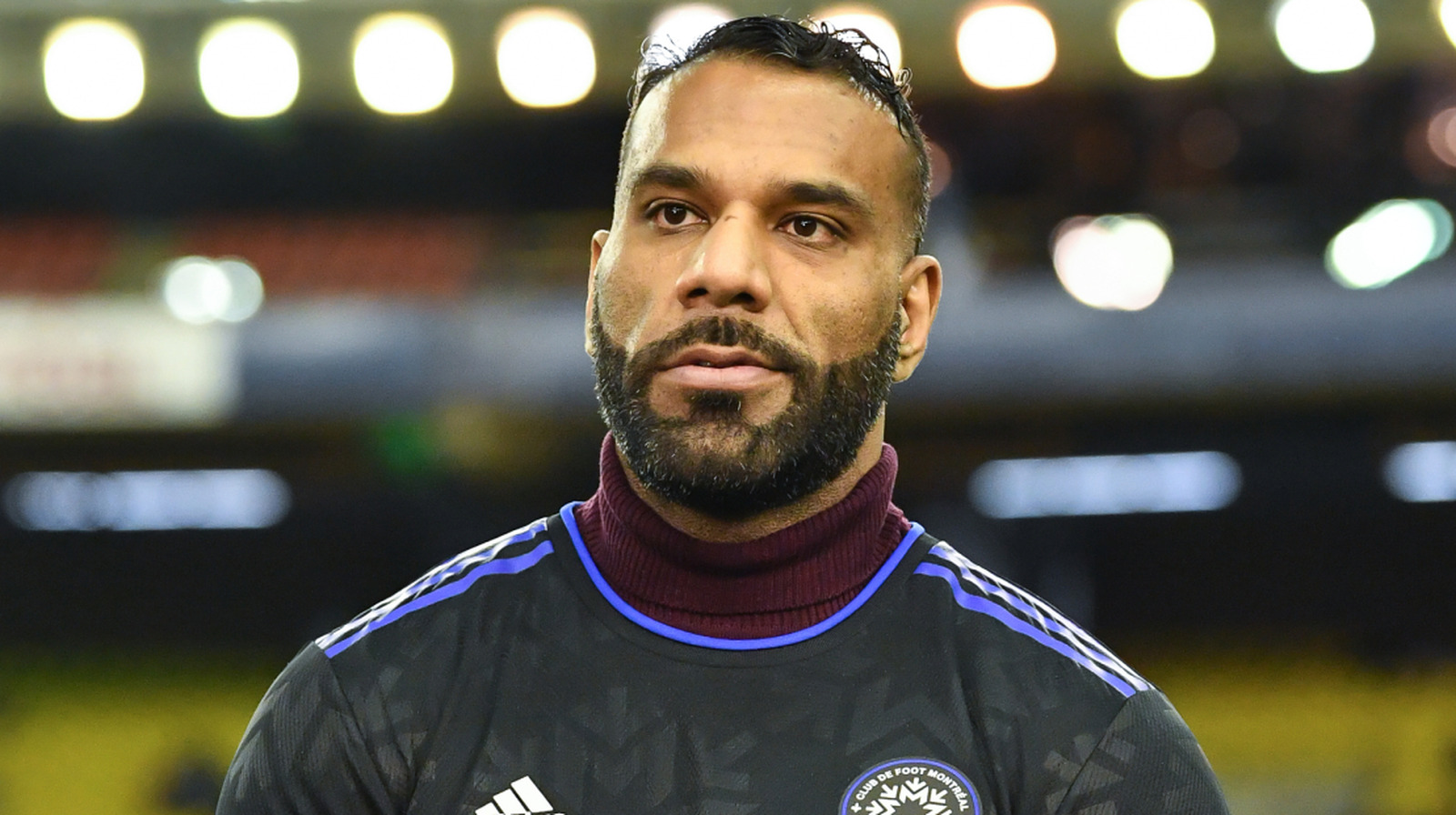
Jinder Mahal's career deserves more than the meme status it earned
2 hours ago
IYO SKY bleeds for the cause and the internet loses its collective mind
2 hours ago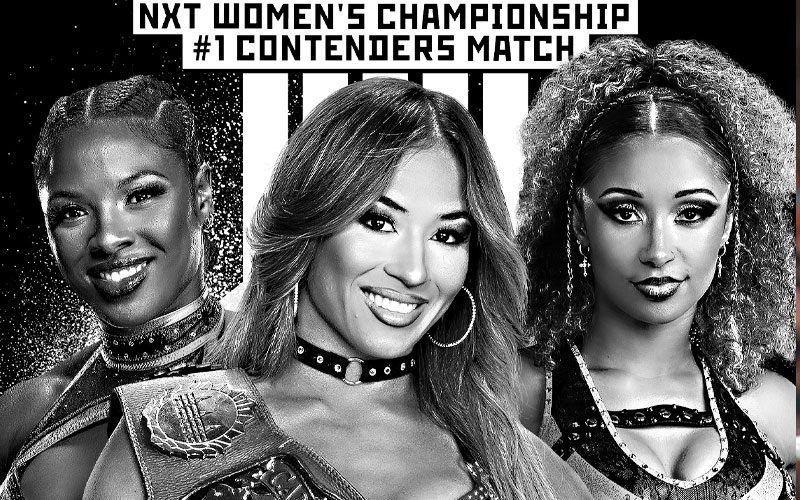
NXT Heatwave is looming and the brand feels stagnant
3 hours ago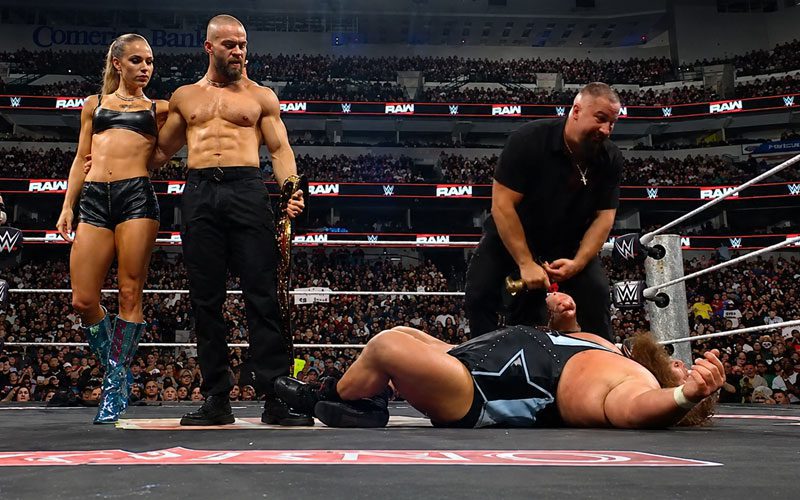
Alpha Academy’s implosion is the most compelling story on Raw
3 hours ago
Top 10: Analyzing the modern WWE roster and the volatile state of talent
3 hours agoMore Analysis
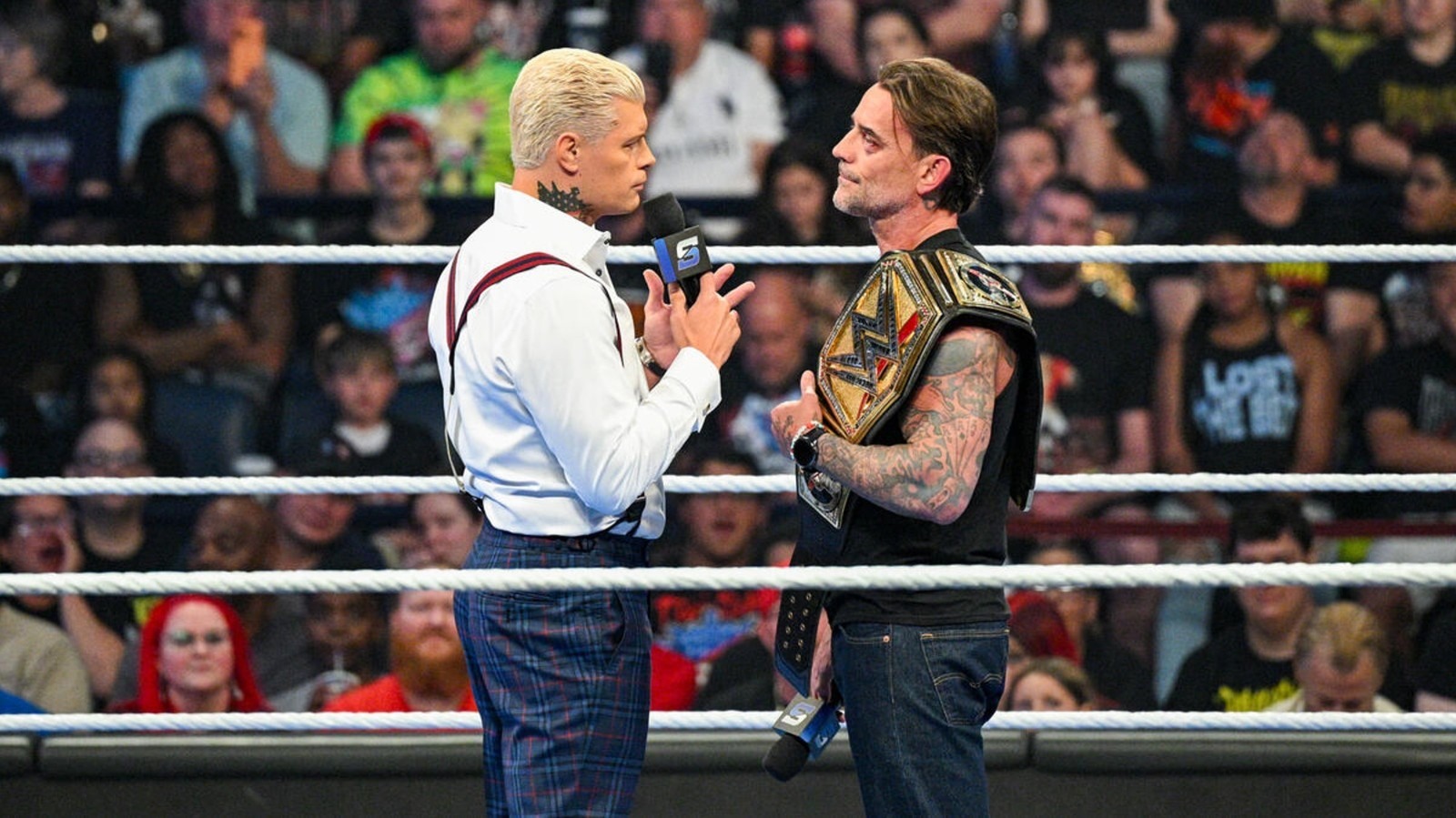
Why WWE will keep the Cody Rhodes and CM Punk feud locked in a corporate bubble
an hour agoWrestling conventions are the wildest show in town this summer
2 hours ago
Maxxine Dupri's pivot is absolute chaos and I am living for it
2 hours ago
Jinder Mahal's career deserves more than the meme status it earned
2 hours ago
IYO SKY bleeds for the cause and the internet loses its collective mind
2 hours ago