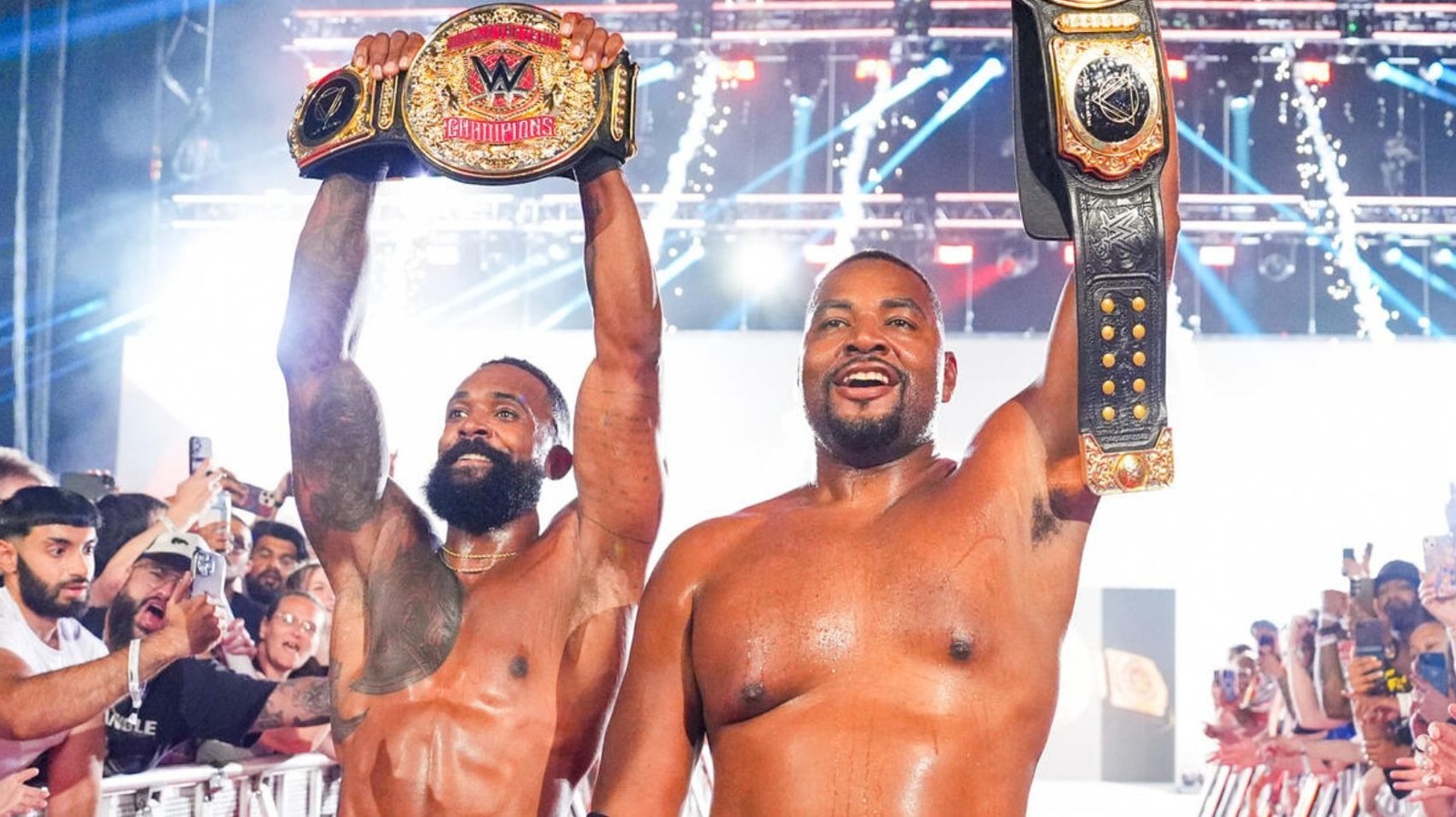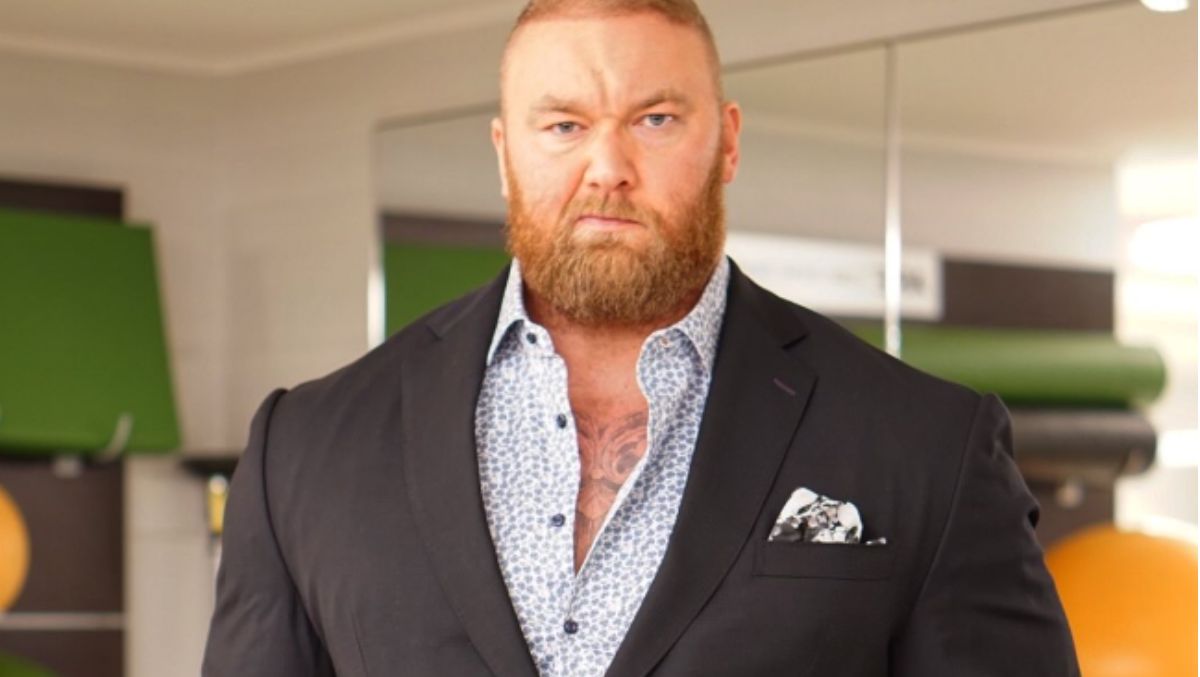
Wrestling fitness and recruitment policies are facing a massive overhaul under Paul "Triple H" Levesque. First, we have confirmed details on why WWE's talks with strongman legend Hafþór Júlíus Björnsson fell apart in 2015. Second, Levesque is using WWE's top stars to spearhead a national youth fitness campaign.
The two developments highlight WWE’s complex relationship with size, conditioning, and public relations. Björnsson, famous as "The Mountain" on Game of Thrones, recently detailed his meetings with Levesque in Tampa, Florida. He walked away from a potential contract to focus on strongman sports.
On the other side of the ledger, Levesque is driving a government-backed health push. On June 29, 2026, WWE joined officials in Atlantic City to relaunch the Presidential Fitness Test. Cody Rhodes, Charlotte Flair, and Rey Mysterio led youth drills to kick off the GetActive.gov/kids initiative.
The Tampa Meeting: Why The Mountain Left The Table
Björnsson was a prime target for WWE talent scouts in 2015. Standing nearly seven feet tall and weighing over 400 pounds, the Icelandic giant had the classic pro wrestling look. He flew to Florida, toured the training facilities, and met with Levesque and Stephanie McMahon.
In an interview with F4WOnline, Björnsson revealed that WWE was eager to sign him. However, the talks stalled because his heart was not in sports entertainment. He was focused on becoming the World’s Strongest Man.
Levesque and the training staff noticed Björnsson's hesitation during the tour. In an interview with Ringside News, the giant recalled the meeting.
“I think they saw that my mind was more into like strongman and, you know, yeah, we spoke, but nothing came out of it.”
The strongman stuck to his strength training goals, going on to win the World’s Strongest Man title in 2018. He also set a deadlift world record by pulling 501 kilograms in 2020. The decision kept him out of the wrestling ring but secured his legacy in strength sports.
The Conditioning Trap: The Physical Toll of the Ring
The physical transition from strongman to pro wrestler is notoriously difficult. Strongman events rely on anaerobic capacity and short bursts of explosive power. Competitors lift heavy logs, carry yokes, and pull vehicles using the phosphagen energy system for brief, maximum efforts.
Pro wrestling requires aerobic endurance and joint mobility. Wrestlers must run ropes, take bumps, and perform high-impact moves for 15 to 30 minutes per night. A giant carrying excessive muscle mass often struggles to maintain stamina because their cardiovascular systems cannot pump enough oxygen to sustain long matches.
Historical precedents show the high failure rate of powerlifters in wrestling. Ted Arcidi signed with WWE in 1985 after setting bench press records but left within two years due to poor agility. Bill Kazmaier, a legendary strongman, also had a brief, unremarkable run in WCW due to movement limitations.
Mark Henry remains the exception to the rule, signing a 10-year contract in 1996. He struggled with conditioning and injuries early in his career. It took him over a decade of training and ring work to develop the stamina required for main-event matches.
Triple H's Public Health Pivot: Relaunching the Gym Test
As Levesque refines WWE’s roster, he is also leading its public relations strategy. On June 29, 2026, WWE partnered with the President's Council on Sports, Fitness, and Nutrition. The event at the Boys & Girls Club of Atlantic City marked the return of the Presidential Fitness Test.
The old test is remembered by many adults as a source of gym class anxiety. The timed mile and pull-up requirements often embarrassed students who struggled with fitness. Levesque addressed these criticisms directly during his media appearances.
In his comments to Ringside News, Levesque argued that the relaunch is different. He described the program as a reset. The new focus is on rewarding individual progress and effort rather than highlighting failures.
Levesque stated that the new test encourages teamwork. He noted that if a student struggles, their classmates should support them instead of laughing from the sidelines. The program is scheduled to roll out nationwide in public schools for the upcoming 2026-2027 academic year.
The Strategic Value of the Health Council Link
Levesque’s role as Vice Chair of the Council provides WWE with mainstream political access. The company uses these initiatives to position itself as a family-friendly media brand. It helps distance the promotion from its past scandals involving steroids and substance abuse.
Partnering with government health agencies allows WWE to secure corporate sponsorships. It also gives the company influence when negotiating television contracts and local event subsidies. Mainstream brands are more willing to advertise on a show hosted by a government health official.
The campaign also serves as a marketing tool for WWE’s younger demographic. By sending stars like Cody Rhodes and Austin Theory to schools, WWE builds its next generation of television viewers. The active lifestyle pitch serves as clean publicity.
The Changing Shape of WWE Recruitment
The Björnsson talks and the fitness council relaunch show how WWE’s athletic philosophy has shifted. The company no longer searches for giant powerlifters who require years of cardiovascular rebuilding. Instead, WWE’s NIL program recruits college athletes with established athletic bases.
WWE looks for collegiate wrestlers, gymnasts, and track athletes. These prospects already possess the agility, core strength, and stamina needed for the ring. They adapt to the training regimen at the Performance Center much faster than bodybuilders.
However, the collegiate recruitment strategy is not flawless. The turnover rate in NXT remains high. Many college athletes struggle with the mental and physical grind of professional wrestling.
The constant travel and the physical impact of landing on canvas cause high rates of joint wear and tear. Furthermore, critics question the sincerity of WWE’s youth fitness push. The company still features performers who carry extreme muscle mass.
While the wellness policy has reduced drug abuse, the physical demands of the road schedule remain grueling. Performers travel year-round, which limits their recovery time. WWE’s physical screening process is now more rigorous than during the 2015 talks with Björnsson.
The medical staff conducts extensive cardiovascular and orthopedic checks before signing any recruit. The goal is to filter out athletes with hidden heart issues or degenerative joint conditions.
Ultimately, Björnsson’s decision to stay in strongman was a mutual benefit. WWE avoided the risk of training a 400-pound athlete who might struggle with the cardio demands of the road. Björnsson secured his strongman legacy while Levesque focused on building a faster, leaner roster.