The Post-Forbidden Door Reality
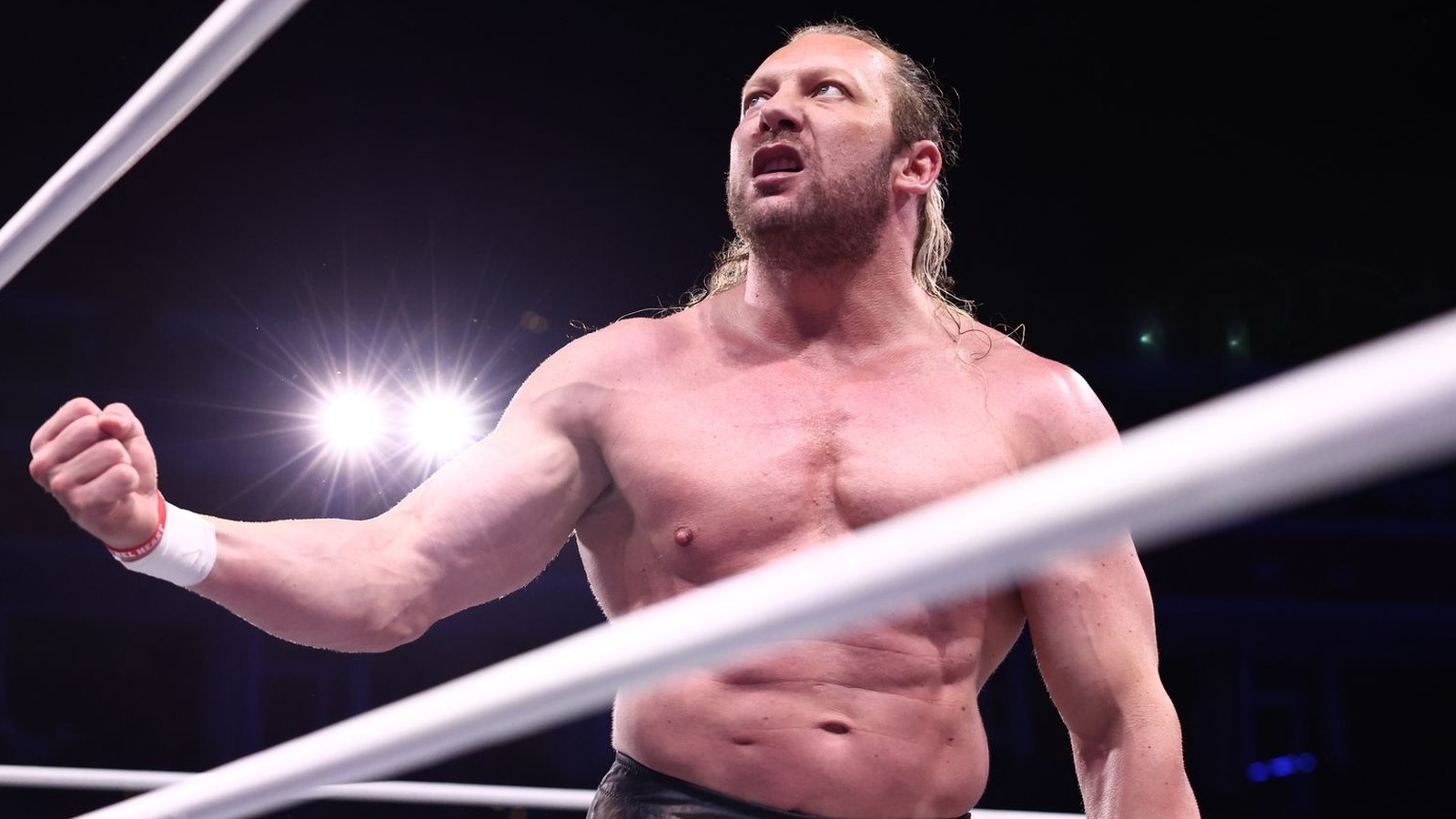
Yesterday's match at Forbidden Door against Zack Sabre Jr. was supposed to be a triumphant return to form for Kenny Omega. Instead, it served as a stark reminder of the physical limitations that now govern the former champion's career. Omega got the win, but the technical maestro from NJPW exposed significant holes in his defensive positioning.
In a recent interview, Omega detailed his motivations for pursuing a second AEW World Title reign, framing it as a deeply personal battle. He wants to prove that his recovery from diverticulitis is not just a survival story, but a return to elite status. The emotional weight of this pursuit is undeniable for fans who have watched his journey.
However, professional wrestling is a cold, mechanical exercise in angles and physical durability. A wrestler's passion cannot reinforce a compromised abdominal wall when absorbing a dropkick. Omega’s drive is admirable, but his strategic approach must adapt to his new physical reality.
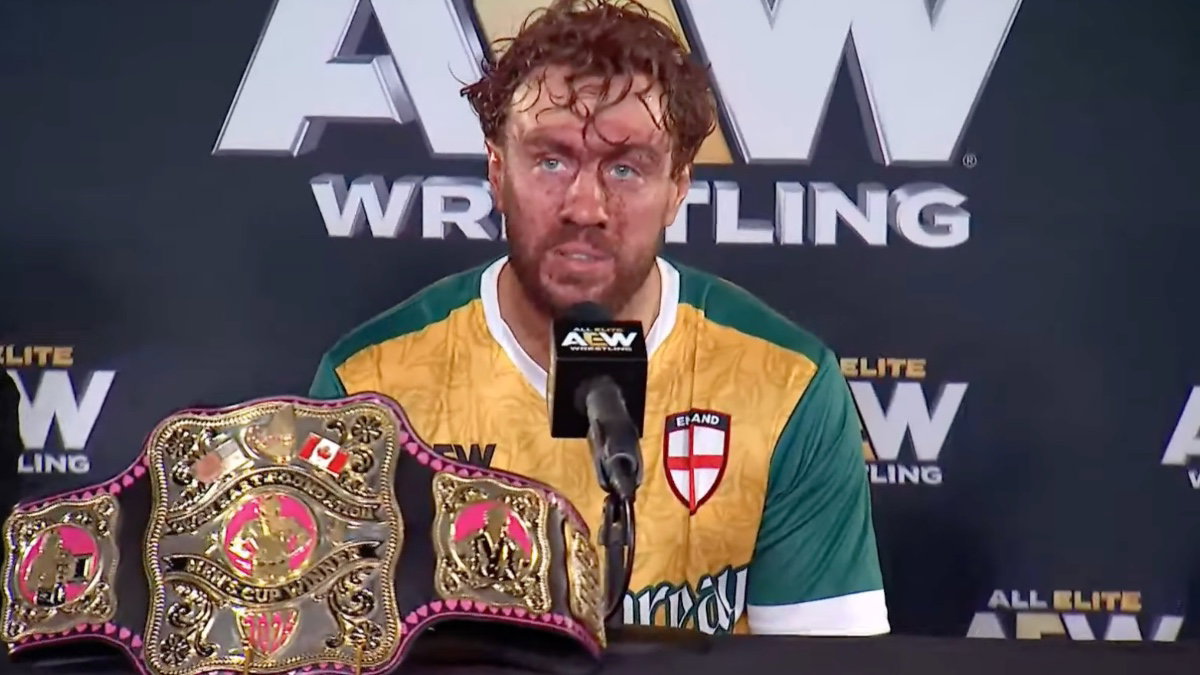
We saw the limits of his current conditioning during his championship match at Revolution. Omega challenged for the AEW Men's World Championship and came up short in a grueling encounter. He was pinned at the 18:42 mark after his defense collapsed in the final minutes of the match.
The Tactical Red Flags in Omega's Defense
The primary issue is Omega's lateral movement and core stabilization. His diverticulitis recovery is a medical miracle, but it has left a permanent structural vulnerability in his midsection. Opponents are no longer wrestling a generic babyface; they are targeting a specific surgical site.
The data from his Revolution defeat tells a very clear story. The champion directed 42% of all offensive maneuvers directly at Omega's abdomen and ribs. This was not a random assault, but a highly targeted game plan designed to sap Omega's wind and power.
At the 11-minute mark of that match, the mechanical breakdown became obvious. Omega attempted to lift his opponent for a snap dragon suplex but his core visibly gave way, leading to a near-fall. The lack of core stability prevented him from executing his signature power moves with his usual authority.
This defensive vulnerability is compounded by Omega's stubbornness in the ring. Rather than adopting a defensive guard to protect his ribs, he continues to invite strike exchanges. This bravado is visually impressive, but it is tactically disastrous against opponents who specialize in targeted damage.
A close look at the frame-by-frame data shows Omega's guard height has dropped by nearly six inches. He is dropping his hands to protect his abdomen, leaving his jaw exposed to high kicks. This double-jeopardy situation is exactly what cost him the match at Revolution.
Even during his victory over Zack Sabre Jr. yesterday, the same defensive issues were present. Zack locked in a modified abdominal stretch that kept Omega trapped on the canvas for a prolonged period. Omega’s escape time from basic waist-locks has risen from an average of four seconds in 2021 to over twelve seconds in his recent outings.
This slow escape rate is a direct consequence of his inability to bridge or twist with explosive force. When Omega cannot escape holds quickly, he absorbs sustained damage that curtails his late-match offense. His cardio remains elite, but his structural efficiency has dropped significantly.
The V-Trigger, once the most feared strike in the promotion, has also suffered from this loss of core torque. At Forbidden Door, Omega connected with three V-Triggers, but none had the concussive force of his prime years. Zack was able to absorb the impact and immediately counter-attack, which would have been unthinkable three years ago.
The Midsection Threat of Swerve Strickland
If Omega is to force his way back into the title scene, he must deal with Swerve Strickland. Swerve is a master of spatial manipulation and target-oriented offense. He does not wrestle clean matches; he dismantles opponents piece by piece.
Swerve’s offense is almost custom-designed to exploit Omega’s physical vulnerabilities. The Swerve Stomp is a devastating double-foot stomp from the top turnbuckle that places maximum pressure on the opponent's sternum and ribs. If Swerve connects with that move, Omega's title aspirations are over.
Statistically, Swerve is one of the most efficient strikers on the AEW roster. His strike connection rate in championship-level matches sits at a remarkable 84%. He rarely misses his target, and he is adept at creating openings through feints and footwork.
In their previous encounters, Omega could rely on his superior speed to out-grapple Swerve. Today, Swerve’s lateral quickness exceeds Omega’s, allowing him to circle the former champion and attack from blind angles. Omega will find himself constantly turning to face a moving target, putting further strain on his lower back and hips.
The spacing of the ring will dictate the tempo. Swerve prefers to choke the space, operating inside the inner circle to limit Omega's explosive running lines. If Omega cannot build up steam for his signature crossbody or lariat, his offensive options shrink to static strikes.
We must also analyze Swerve's escape paths. When pinned against the ropes, Swerve utilizes a low-posture roll that exits through the second turnbuckle, a defensive quirk that Omega has historically struggled to cut off. Omega's footwork must be flawless to prevent Swerve from resetting the center of the ring.
To counter this, Omega must abandon his traditional high-impact style and focus on a more conservative game plan. He needs to use his reach advantage to keep Swerve at bay with stiff forearm strikes and jabs. If he allows Swerve to enter the clinch, he will be fighting at a severe disadvantage.
The Path to All In and a Bold Prediction
The timing of this pursuit is highly questionable. With All In at Wembley Stadium approaching on August 30, 2026, the queue of hungry contenders is growing by the week. Omega’s rush to get back to the top feels less like a measured campaign and more like a desperate race against his own biological clock.
In his recent interview, Omega admitted he does not need another championship to validate his career. Yet, his actions in the ring betray a performer who cannot accept his physical decline. This lack of self-awareness is the greatest danger to his health and his legacy.
AEW management must also face criticism for enabling this high-risk run. Promoting matches where a recently hospitalized legend is subjected to extreme abdominal trauma is a questionable booking decision. It prioritizes short-term television ratings over the long-term well-being of the company’s greatest asset.
When the bell rings for this matchup, the emotional narratives will fade, leaving only the cold reality of the ring. Swerve will not show respect for Omega’s past achievements or his medical battles. He will target the midsection from the opening collar-and-elbow tie-up.
We predict that Swerve Strickland will secure a decisive victory over Kenny Omega. Swerve will systematically weaken Omega's core with targeted kicks before sealing the win with a top-rope Swerve Stomp at the 21-minute mark. Omega will show incredible resilience, but his body will ultimately fail him under the relentless pressure.
This defeat will not end Omega's career, but it should force a radical rethink of his in-ring style. If he wishes to capture that elusive second world championship, he must stop wrestling like the performer he was in his peak championship year. He must learn to survive before he can expect to conquer.
Read Next
- Why Swerve Strickland remains the ultimate riddle for Will Ospreay
- Swerve and Ospreay are about to rewrite their own history in San Jose
- Forbidden Door 2026 gave us a bloody masterpiece and a massive fan debate
- Will Ospreay winning the Owen Hart Cup is splitting the AEW fanbase in half
- ⚡ AEW Dynasty 2026 — Full Coverage Hub