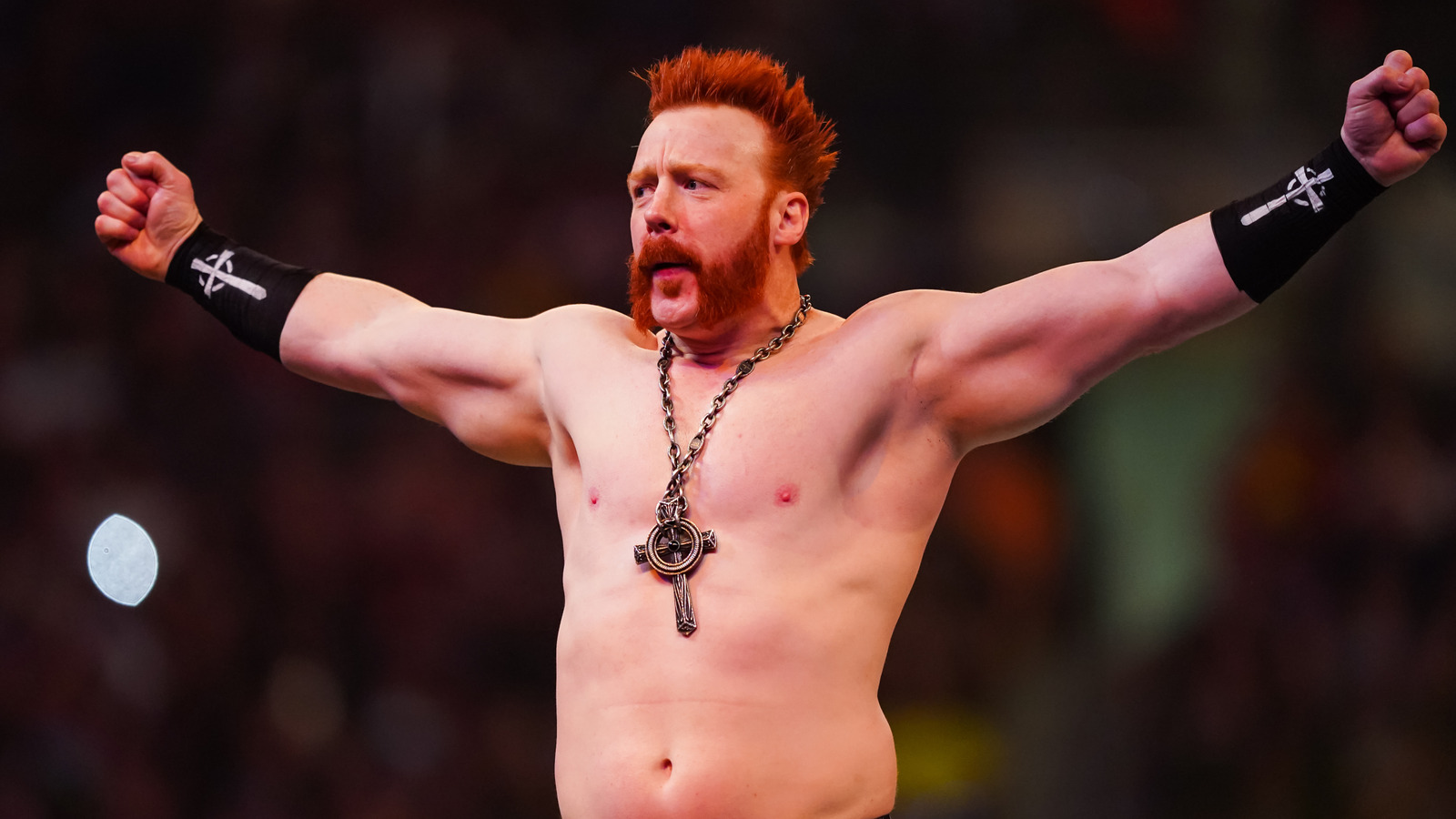
Why modern bookers are failing to copy the genius of Hogan's 1996 heel turn
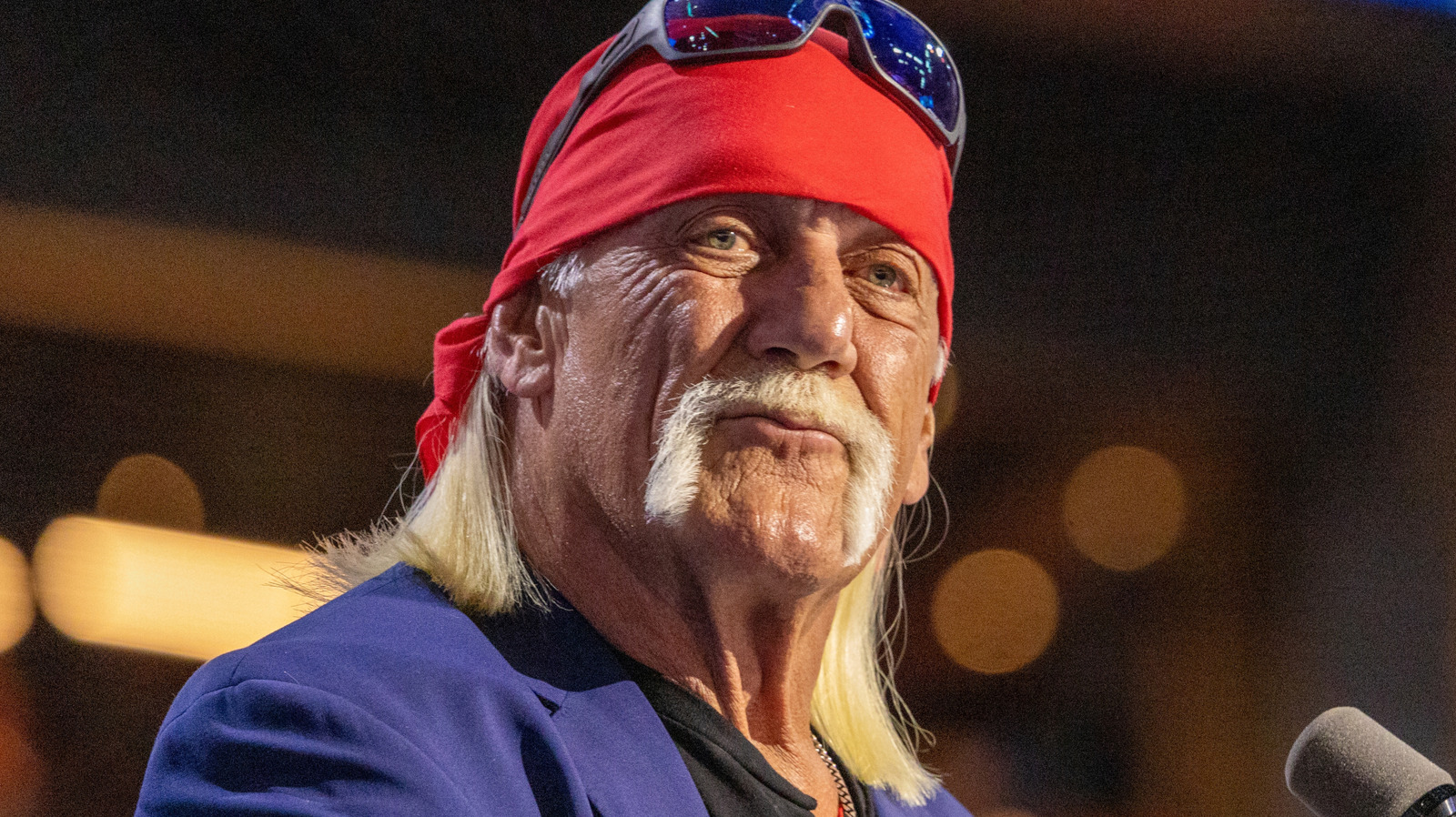
The Illusion of the Shock Turn
Professional wrestling thrives on the illusion of sudden change. But the most significant heel turn in the history of the industry succeeded because of its meticulous, logical pacing. Thirty years ago today, on July 7, 1996, Hulk Hogan walked down the ramp at the Ocean Center in Daytona Beach and altered the business forever.
This turn was not a sudden impulse. It was the culmination of months of crowd frustration and mechanical ring psychology. Modern bookers in WWE and AEW frequently try to replicate this historic moment but fail because they prioritize immediate online reaction over structural storytelling.
Creative teams today rush their wrestlers into betrayal without building the foundation required to make the turn meaningful. The result is a series of cheap pops that leave the audience feeling manipulated rather than invested. Short-term booking has replaced patient narrative progression in almost every major promotion.
Consider the recent booking of CM Punk pinning Sami Zayn to end his WWE Championship reign after only nine days. That decision offered a brief spike in crowd energy but ultimately left the flagship show without a clear creative direction. It sacrificed a compelling, long-term story for a quick marketing victory.
This is the exact opposite of how WCW handled the summer of 1996. The promotion spent weeks setting the board before Hogan ever stepped out of his red-and-yellow gear. They understood that a major betrayal requires a slow, deliberate build to achieve maximum impact.
The Mechanical Perfection of Daytona Beach
To understand why the third man reveal worked, we must analyze the physical structure of the match at Bash at the Beach. The main event was billed as a six-man tag team match featuring Sting, Lex Luger, and Randy Savage against Scott Hall and Kevin Nash. Hall and Nash, entering as the invading Outsiders, promised a mystery partner who remained backstage.
By keeping the third man hidden, the booking forced the fans to focus on the active competitors. The match layout was designed to maximize the vulnerability of the babyface team. Just two minutes into the bout, Lex Luger was injured during a collision and carried away on a stretcher.
This was a deliberate booking decision to shift the balance of power. It transformed the match into a handicap contest, leaving Sting and Savage to face the larger invaders alone. The isolation of the remaining WCW defenders became the primary story of the match.
Sting and Savage took a severe physical beating for the next ten minutes. Nash and Hall used traditional tag team isolation tactics, cutting the ring in half and wearing down Sting. The heels utilized their height and weight advantages to maintain complete control of the pace.
When Savage finally received the hot tag at the 15-minute mark, the crowd erupted. Savage executed top-rope double axe handles and momentarily turned the tide of the battle. However, the physical exhaustion of fighting a two-on-three match soon caught up with him.
Nash stopped the momentum with a low blow, leaving Savage laid out in the center of the ring. This was the precise moment Hulk Hogan emerged from the back. The audience assumed the longtime hero was arriving to save WCW from the invaders.
The announcers framed his arrival as the ultimate salvation for the company. Hogan did not sprint; he walked with a slow, deliberate stride that allowed the tension in the arena to reach a peak. Every step down the ramp was calculated to build anticipation.
The Anatomy of a Betrayal
The physical execution of the turn was simple and brutal. Hogan stepped into the ring, chased Hall and Nash to the floor, and then stood over the fallen Randy Savage. He paused, looked at the crowd, and executed his signature running leg drop.
The referee, Randy Anderson, was thrown out of the ring as Hogan hit the leg drop a second time. This was not a complex sequence of moves, but it was executed with perfect timing. The simplicity of the action made the visual image of the betrayal instantly iconic.
The post-match promo cemented the new reality. Hogan spoke directly to the camera, declaring the creation of a new world order in wrestling. The Ocean Center ring was showered with cups, trash, and debris from a genuinely angry crowd.
The reaction in the arena was one of genuine anger rather than scripted participation. Fans threw litter, cups, and programs into the ring, forcing the performers to dodge debris during the interview. This hostile environment was not planned but reflected the deep emotional connection the audience had to Hogan.
The following night on Monday Nitro, WCW capitalised on this momentum by keeping Hogan off the broadcast. This decision kept the audience guessing and allowed Hall and Nash to dominate the show. The absence of the leader built even more anticipation for his next appearance.
In the weeks following the event, the television ratings shifted decisively in WCW's favor. Monday Nitro began an unprecedented streak of head-to-head victories over WWF Monday Night Raw. This rating dominance proved that the slow-build booking model was financially viable.
As discussed in Wrestling Inc's retrospective on the event's 30-year anniversary, the turn remains the benchmark for wrestling reinvention. It succeeded because it subverted a decade of established character work. Hogan had spent twelve years as the ultimate babyface prior to this night.
He had waved the American flag and urged children to train, making the turn feel like a personal betrayal. Modern promotions struggle to replicate this because their performers are rarely allowed to establish a long-term identity. Today, wrestlers switch alignments so frequently that the impact of a turn is watered down.
Furthermore, modern turns are almost always telegraphed weeks in advance. Bookers rely on social media hints or weekly television segments that make the betrayal obvious. Hogan’s turn worked because the audience wanted to believe he was the savior.
The desire to believe in the hero blinded the crowd to the logical signs of his frustration. Hogan had been receiving mixed reactions from WCW crowds for a year before the turn. His red-and-yellow persona had become stale, yet fans refused to believe he would walk away from it.
The Structural Collapse of the WCW Blueprint
While the turn at Bash at the Beach was a masterclass, the subsequent booking of the New World Order revealed a critical flaw in WCW’s strategy. Eric Bischoff had no exit plan for the group. The faction expanded too quickly, adding members like Ted DiBiase and The Giant within months.
This dilution of the roster turned an elite group of invaders into a bloated stable. By the time mid-card wrestlers were wearing the black-and-white shirt, the threat felt corporate rather than dangerous. The original group of three outsiders had become a crowded club.
This lack of roster control eventually led to the creation of competing factions within the group. The focus of the promotion was split between different versions of the same stable. The group became a parody of its former self, dragging down the entire product.
The ultimate booking mistake occurred at Starrcade 1997. Sting had been built up for over a year as the silent avenger who would destroy the nWo. The match ended with a controversial fast-count controversy and a restarted match that ruined the payoff.
Instead of a clean, decisive victory to end the invasion, the booking chose a messy finish that protected Hogan’s ego. The failure to deliver a clean victory ruined the payoff of a 18-month storyline. This shows that even the best turns can be ruined by poor long-term planning.
This failure to deliver a satisfying conclusion is a warning for modern creative heads. Rushing a match to free television, such as AEW's decision to run MJF versus Kenny Omega, shows a similar disregard for the long-term payoff. When major matches are treated as television content rather than pay-per-view climaxes, the value of the characters decreases.
The audience is trained to expect unresolved stories. To build a lasting narrative, bookers must find the balance between immediate excitement and long-term resolution. They must protect their characters' alignments and allow feuds to reach a natural conclusion.
The events of July 7, 1996, show that the best stories are built on patience, structural logic, and physical execution. Thirty years later, the industry is still trying to learn that lesson. Until bookers prioritize long-term planning over short-term buzz, they will continue to produce forgettable moments.
Everlast 70lb Heavy Bag (Starter Pro Pack)
Train like a superstar and get your cardio in with some stress relief.
Frequently Asked Questions
When did Hulk Hogan's heel turn at Bash at the Beach occur?
Who competed in the 1996 Bash at the Beach main event?
Why was Lex Luger written out of the match at Bash at the Beach?
What example of short-term booking does the article criticize?
Why do modern bookers struggle to replicate Hogan's 1996 turn?
More Coverage
Cody Rhodes will reclaim the gold from CM Punk at SummerSlam
2 hours ago
Sami Callihan free agency heats up as AEW and ROH circle former TNA Champion
3 hours ago
How Tony D'Angelo turned an average amateur career into NXT gold
4 hours agoWWE just threw away Sami Zayn's title run for another CM Punk nostalgia trip
5 hours ago
CM Punk is champion again and WWE booking has officially gone off the rails
5 hours ago
Wrestling fans are split over the Great Khali's WWE sabotage claims
5 hours agoMore Analysis
Sheamus is reportedly leaving WWE and a move to AEW makes too much sense
2 hours ago
Sami Zayn could be heading back to the Bloodline after his Raw title loss
2 hours ago
Cody Rhodes will reclaim the gold from CM Punk at SummerSlam
2 hours ago
AEW is rushing MJF vs. Kenny Omega to free TV, and it's a mistake
3 hours ago
Sami Callihan free agency heats up as AEW and ROH circle former TNA Champion
3 hours ago