The LED screen defenders and the drone shot lovers
Look, I love wrestling. I have spent more hours than I care to admit watching large athletes throw each other onto pine boards. But the presentation has morphed into a massive digital operation that feels less like a gritty sport and more like a Coldplay concert designed by an overcaffeinated teenager.
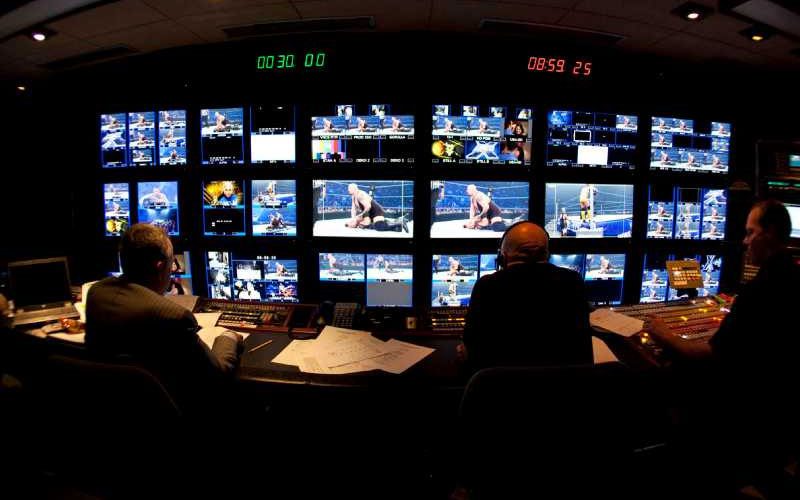
According to a Ringside News report, the production of major shows now involves dozens of cameras surrounding the ring. The tech-obsessed fans in the crowd are absolutely eating this up.
For these fans, the tech makes the show feel like a massive summer blockbuster. They love the sweeping drone shots showing a crowd of over 50,000 screaming lunatics in a stadium. They want the slow-motion replays that catch the exact millisecond a championship belt changes hands.
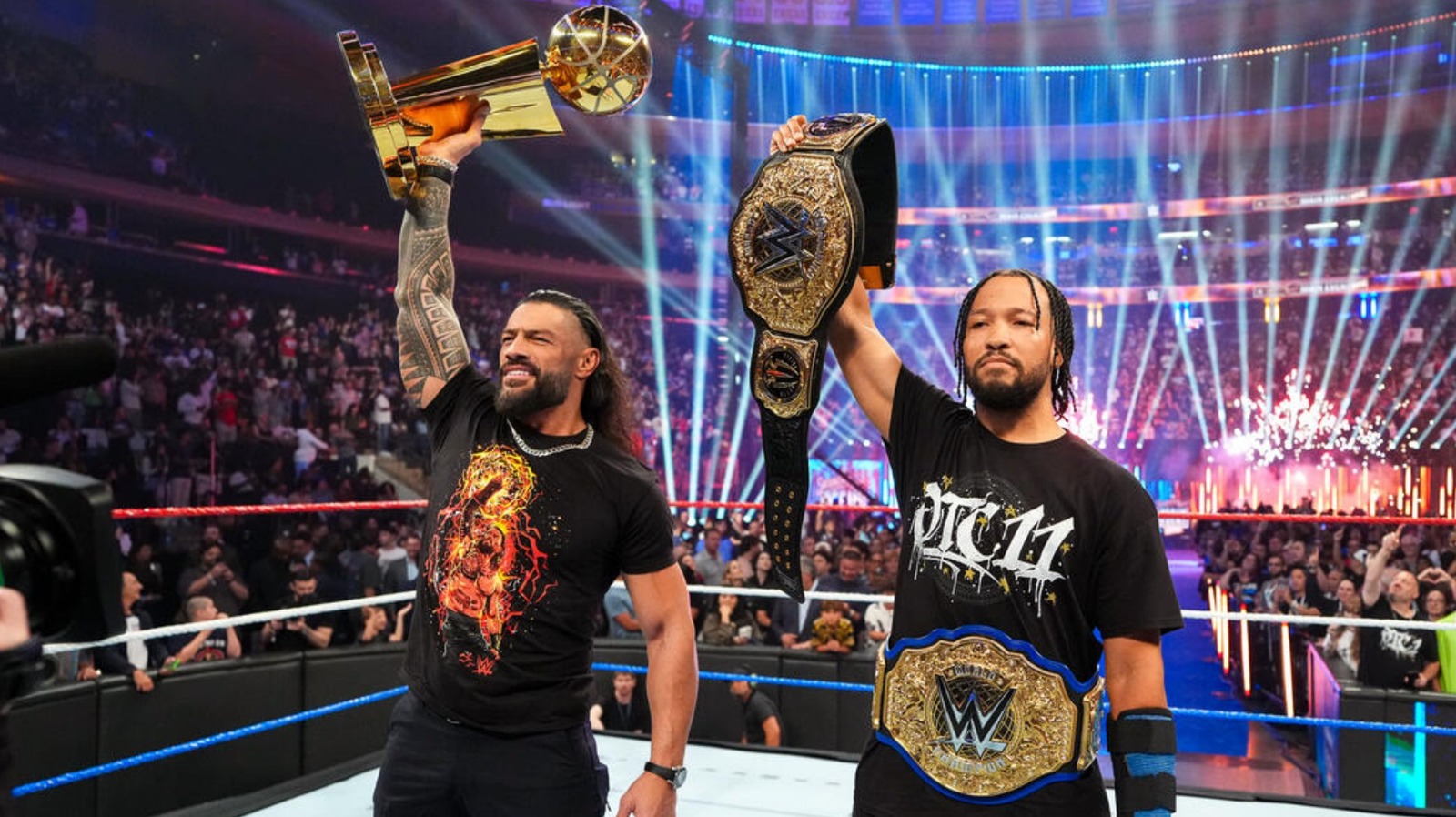
The entrance presentations have become mini-concerts with giant video walls, synchronized laser shows, and smoke machines. It makes the talent look like literal comic book superheroes. Clips are shared on social media seconds after they happen, keeping the hype machine running all night.
The tech has also invaded the training room. Wrestlers are now wearing fitness trackers like they are training for the Olympics instead of preparing to get hit with a folding chair. They study video footage to spot missed camera angles, awkward transitions, or moments when the crowd lost interest.
They analyze exactly how an opponent delivers a move to make the action look smoother. To the tech-loving crowd, this is the peak of athletic performance. The days of guys wrestling on pure instinct and light beer are dead, replaced by data-driven athletes who treat the ring like a laboratory.
The purists who want to burn the LED boards to the ground
But go check the post-show threads, and you will find a very different vibe. A massive chunk of the fanbase is completely exhausted by this shiny new world. They look at the current product and see a sanitized, over-lit warehouse.
The arenas look like Best Buy showrooms during a holiday sale. The ring posts are glowing like neon signs, and the barricades are covered in blinding LED screens. It is a visual assault that takes away from the grit of the actual fighting.
The skeptics are particularly furious about the camera cuts. The constant, dizzying cuts during action sequences are enough to cause motion sickness. A simple rolling elbow into a Code Red for a near-fall at the 14-minute mark gets chopped into four different camera angles.
You lose the impact of the move because the director is constantly switching views to find the perfect shot. Instead of letting the action breathe, the production team tries to manufacture drama with hyperactive editing. It is the wrestling equivalent of a bad action movie sequel.
Then there are the augmented reality graphics. For every cool entrance, there is an equally embarrassing CGI render floating above the ring that looks like the Scorpion King in Mummy Returns. The purists also argue that the digital news cycle has killed the magic.
Storylines are continued on social media through cryptic posts, deleted photos, and Instagram profile changes. Fans spend hours dissecting these digital breadcrumbs like amateur detectives. It turns wrestling into a soap opera played out on a phone screen, rather than a physical drama in the ring.
Predetermined betting and the casino crossover
The absolute wildest part of this high-tech boom is the rise of sports betting on scripted matches. People are actually putting hard cash on predetermined outcomes. Sportsbooks are now offering odds on major championship matches, forcing oddsmakers to be incredibly careful.
If a booking decision changes at the last minute because of an injury, the betting lines go into absolute chaos. It is a logistical headache for sportsbooks that limit bets to a maximum of $100 per user.
The contrarians in the community find the whole thing hilarious. They point out the sheer absurdity of betting on a show that is written in a production meeting a few hours before airtime. Yet, the integration continues.
We are seeing platforms cross-promote sports wagering with live wrestling results and online gaming sites, including casino options like online pokies NZ. It is a strange collision of worlds that has split the community between those who enjoy the extra stake and those who think it ruins the show.
Even without real money, the digital gamification of wrestling is everywhere. Fans are obsessed with fantasy leagues, prediction contests, and live polls. The online reaction can actually change who gets television time.
If a wrestler gets hot on social media, the promoters are forced to push them. This means the audience has more influence than ever, but it also means the booking is often reactionary, chasing short-term internet hype instead of long-term storytelling.
The Verdict: Let the athletes tell the story
So, who has the stronger argument? While the high-tech production makes the shows look clean, the purists are winning this debate. The technology should support the wrestlers, not overshadow them.
When the screen graphics are louder than the crowd reaction, you have a major problem. The best moments in wrestling history did not need a drone shot or a laser display to work. They succeeded because two performers made the crowd care about the result.
We saw this issue clearly when a recent main event was ruined by a massive graphic glitched across the screen during a pivotal submission hold. The technology failed the athletes. Promotions need to realize that more is not always better.
They should dial back the flashing lights, reduce the frantic camera cuts, and let the performers do what they do best. Technology is a tool, but the heart of the business will always be the drama inside the ring.