The Tactical Deconstruction of the October Calendar Shift
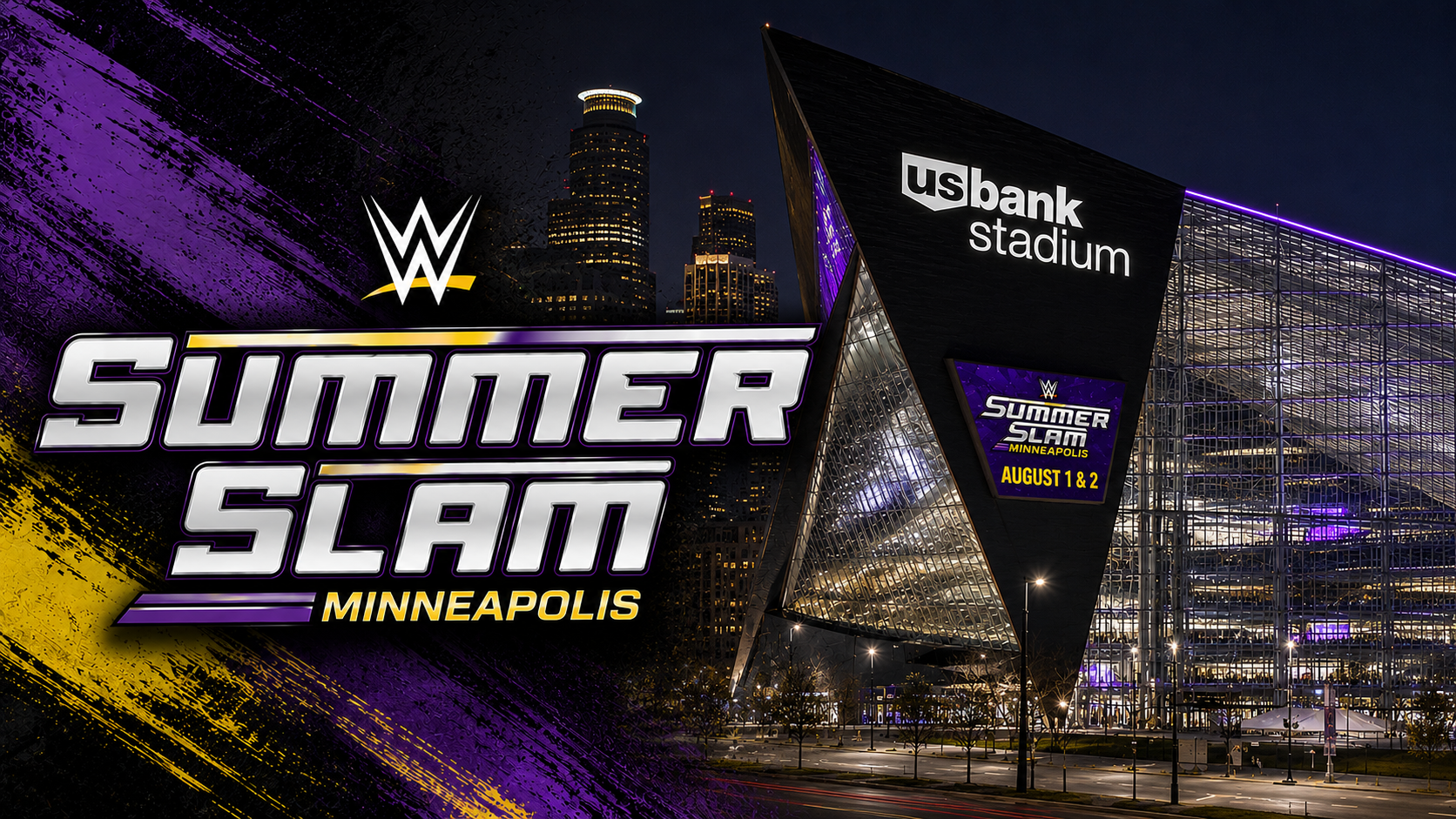
Professional wrestling booking depends entirely on the pacing of its championship cycles. For over a decade, WWE ran its most chaotic stipulation during the hot summer months to build momentum for its second-biggest show of the year. The official announcement that the 2026 edition is heading to the Smoothie King Center in New Orleans on October 10 represents a major structural shift.
This calendar adjustment changes the entire rhythm of the championship calendar. Historically, the briefcase holder hovered over SummerSlam like a vulture, forcing the champions to defend their titles under constant threat of a surprise cash-in. Moving the show to October removes this summer safety net and forces a complete redesign of the autumn narrative arc.
The summer matches will now function as isolated, standard athletic contests without the looming threat of an immediate cash-in. Champions can engage in lengthy, physical wars at SummerSlam without the audience constantly looking at the entrance ramp for a runner. This structural change allows storylines to breathe, but it also risks lowering the stakes of the summer title defenses.
To understand how this new slot fits with the rest of the calendar, look at the full 2026-27 premium live event calendar. By placing the ladder matches after SummerSlam, WWE creates a much tighter window for the eventual cash-in. The winner now has fewer months to carry the briefcase before the major road to WrestleMania begins.
This tighter window accelerates the narrative pacing, turning a slow-burn tease into a rapid sprint. A contract won in October must be resolved quickly, meaning the holder cannot afford to sit idle on television for half a year. The creative team will be forced to book the winner with immediate urgency, raising the pressure on both the performer and the writers.
The Mathematical Devaluation of the Briefcase Asset
The tactical value of the briefcase has always been its unpredictability. Under previous management, the average cash-in match lasted less than two minutes, targeting an already beaten champion for a quick title change. This rapid transition model has been replaced by a much more protectionist booking style.
Under the current creative regime, the briefcase is treated as a long-term test of a performer's main-event readiness. Damian Priest held his contract for a grueling 281 days before cashing in at WrestleMania XL. This extended hold built Priest's credibility, but it also exposed the danger of leaving a performer in a creative holding pattern for too long.
We saw the absolute worst-case scenario of this holding pattern on November 7, 2022. Austin Theory, who won the briefcase on July 2, 2022, cashed in on a secondary title in a match that lasted only 4 minutes and 58 seconds. The booking team panicked, resulting in a clean pinfall loss for Theory after a curb stomp from Seth Rollins.
That decision was a massive booking mistake. It devalued the contract, signaling to the audience that the briefcase was no longer a guaranteed ticket to the world title. Real journalism requires calling out these creative retreats because they damage the credibility of the entire stipulation.
Compare this to the older, more successful cash-in formulas that established the contract's prestige. Edge's historic cash-in in 2006 occurred after John Cena survived a grueling 28-minute match inside the Elimination Chamber. Kane's cash-in on Rey Mysterio in 2010 took only 54 seconds, cementing the briefcase as an instant star-maker.
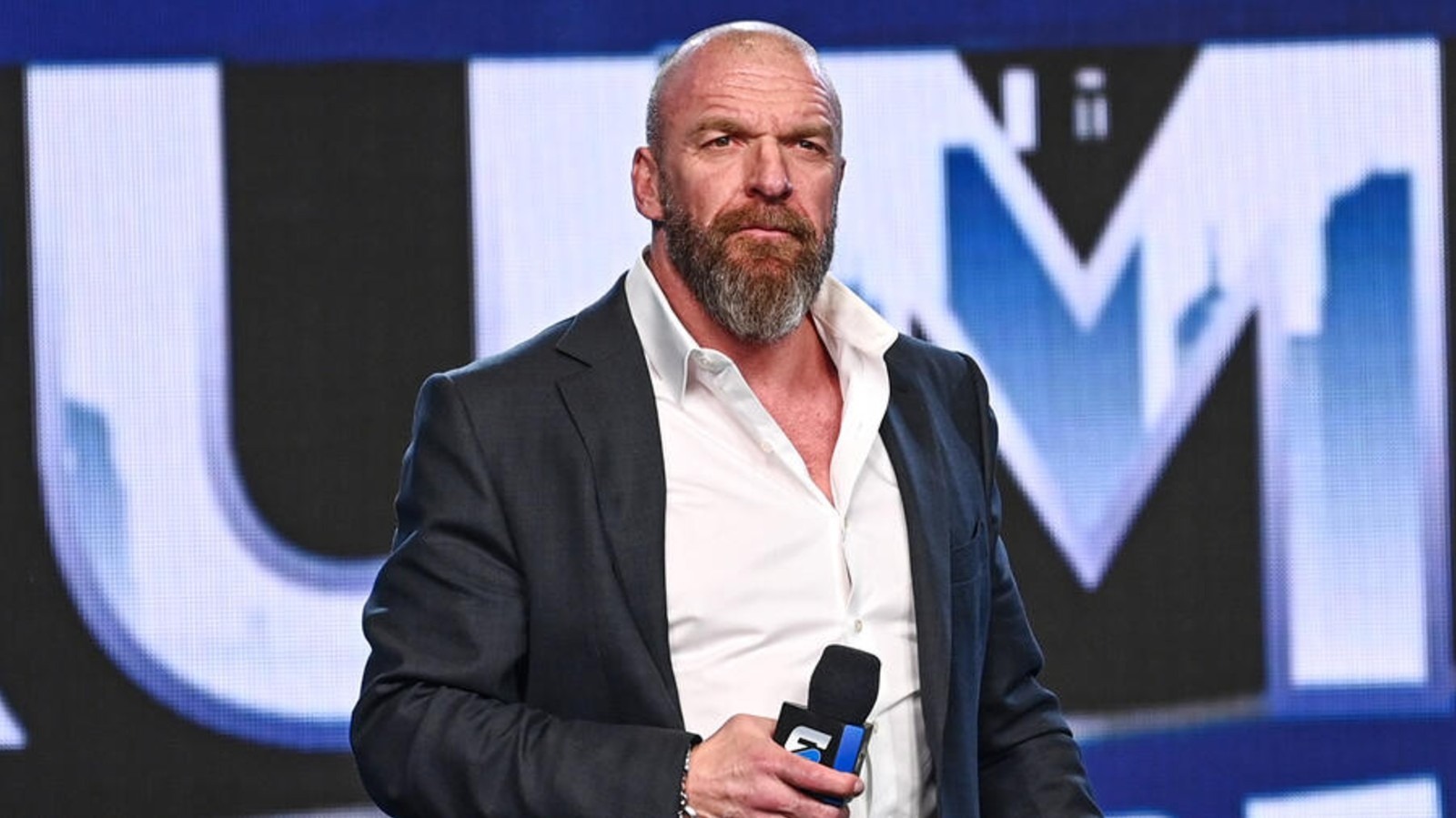
Similarly, Damien Sandow's failed cash-in in 2013 was an absolute disaster that ruined a promising mid-card career. The booking team chickened out at the last second, delivering a clean loss that Sandow never recovered from. Triple H's creative team must remember these lessons and avoid half-measure bookings that ruin the stipulation's value.
What to Watch For in the Smoothie King Center
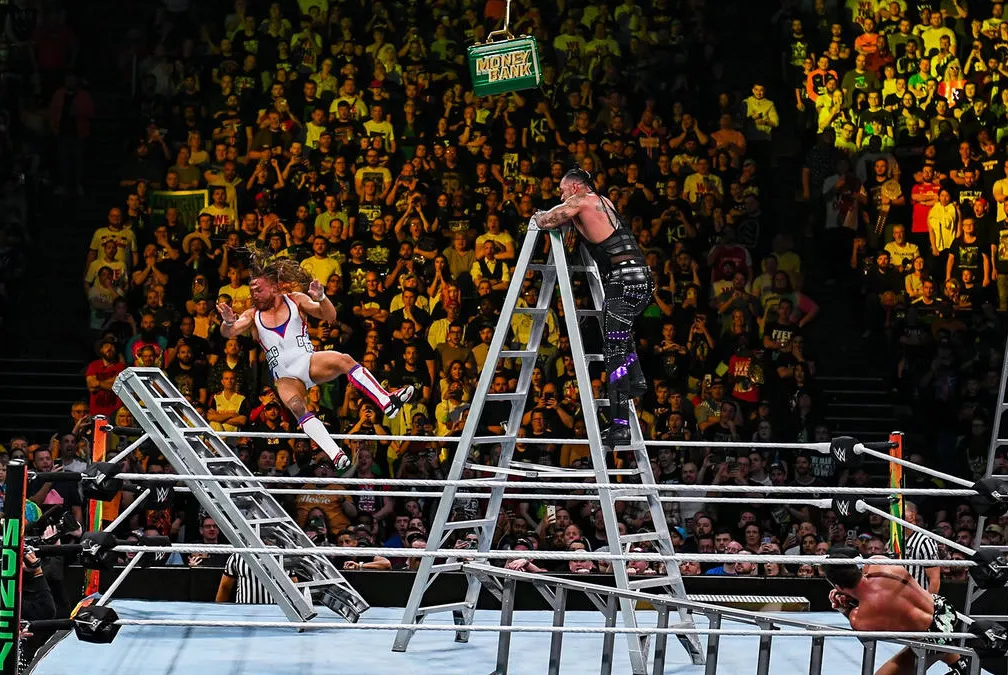
A successful ladder match requires strict spatial discipline from the performers. Modern ladder matches often collapse into an overproduced sequence of high-risk spots that lack internal logic. When six or eight wrestlers take turns executing dives to the floor, the match loses its competitive structure.
The Smoothie King Center match must avoid these pacing traps. We need to see competitors fighting for ring positioning rather than waiting in designated zones for the next aerial move. The drama of the climb should build incrementally, with wrestlers blocking each other at the third or fourth rung rather than executing synchronized falls from the top.
Watch the spacing around the ring. The best ladder matches rely on clear defensive lines, where one wrestler controls the canvas while others scramble to recover. If the layout becomes too chaotic, the audience stops investing in the near-misses and simply waits for the final bell.
The physical toll of these matches is also a major concern for the autumn roster. A high-risk ladder match in October can derail storylines just as the build to the winter stadium shows begins. A single injury from a missed spot can disrupt months of planned matchups, making safety and precise execution paramount.
Wrestlers must prioritize narrative storytelling over dangerous stunts to keep the division healthy. A rolling German suplex on the apron or a northern lights suplex at the 12-minute mark can build drama without risking a concussion. The performers must work smarter, not harder, to deliver a memorable bout.
The Definitive Prediction for the New Orleans Chaos
The shortened timeline between October and the winter months will force the booking team to act quickly. Instead of a year-long tease, the winner must integrate immediately into the winter championship picture. This tighter window makes a cowardly, opportunistic character the only logical choice for the contract.
We predict that the men's ladder match will be won by a classic tactical heel who can weaponize the briefcase immediately. A character who relies on numbers and distractions to protect their asset fits the autumn timeline perfectly. This winner will use the briefcase to insert themselves directly into the winter title picture.
The cash-in will occur during the chaotic final moments of the winter shows. The contract holder will strike right after a grueling title defense, setting up a triple threat match. This path leads directly into the chaos of the Royal Rumble.
For the women's division, the stakes are equally high. The division needs a champion who can deliver consistent, hard-hitting athletic showcases rather than relying on soap-opera distractions. A surprise victory by Chelsea Green, who can use her comedic heel persona to torment the champions, is the best path forward.
Green carrying a custom designer briefcase she does not know how to open would be pure gold. It provides immediate entertainment value while keeping the division fresh and unpredictable. WWE must embrace the chaos in New Orleans and deliver a show that sets the autumn ablaze.
Read Next
- Why WWE moving Money in the Bank to October is a massive booking mistake
- NXT's booking of Izzi Dame is defying all developmental logic
- Why the Great Khali rejecting 'Great Gandhi' saved his WWE career
- Why the Royal Rumble is still wrestling's ultimate booking cheat code
- 💰 WWE Money in the Bank 2026 — Full Coverage Hub