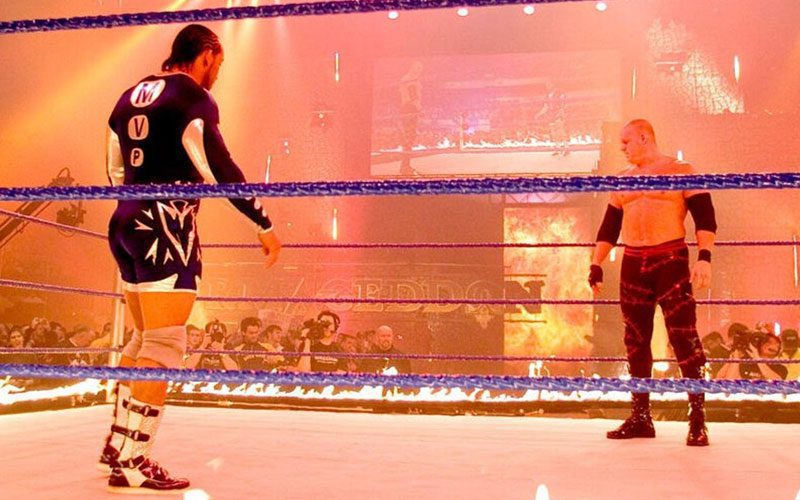
The true cost of standing in the fire
Professional wrestling rarely treats the performer's bank account with transparency. MVP recently pulled back the curtain on his 2006 Inferno match against Kane, revealing a flat fee for the outing that might surprise the casual observer. While he did not divulge the exact dollar amount to the cent, he indicated the compensation reached $25,000 for the single appearance.
To understand the weight of that cheque, we have to contextualize it against the era. WWE’s revenue streaming in 2006 relied heavily on tiered pay-per-view buys and DVD sales rather than the gargantuan rights fees that define the modern 2026 calendar. For a mid-card talent stepping into a dangerous gimmick match, that figure represents a high-risk premium.
Breaking down the 2006 pay scale
Compare that stipend to modern base guarantees for mid-card talent, which often float between $200,000 and $400,000 annually before bonuses. In 2006, the gap between the main event earners and the mid-card was a canyon. MVP was essentially trading skin and safety for a one-off payday that barely covered the medical risks inherent to working near open flames.
There is a harsh reality in how bookings were managed then. The incentive structure was purely transaction-based. You did not get a percentage of the gate or the streaming residuals that define modern contracts, as discussed in broader analyses like the recent breakdown of the WWE pay structure. You took the bump, you took the check, and you hoped your pyro-protected gear held up.
The gamble of gimmick matches
The Inferno match remains a statistical anomaly in terms of longevity. It demands specialized setups, fire marshals, and significant auxiliary costs, yet the performer's compensation often failed to scale with the danger. Kane, the veteran at the time, likely pulled a figure closer to $50,000 for the same night, creating a disparity that reflected booking seniority rather than equal risk sharing.
This is where the business model shows its flaws. For the company, a gimmick match is a spectacle intended to drive a 15% to 20% bump in regional viewership or engagement. For the talent, it is a high-variance event where a single slip results in career-ending burns, yet the pay floor often remained static.
I knew Kane probably walked away with a bigger check.
MVP’s admission highlights that the mid-card grind was always an exercise in financial attrition. While the industry has moved toward more normalized, guaranteed downside contracts, the 2006 model functioned like a commission-based gig economy. If you were not in the final segment, you were essentially betting your health against a fixed, non-negotiable fee.
The takeaway here is not about the specific dollar figure, but the lack of leverage wrestlers held to negotiate hazards. Taking a $25,000 payday to work with fire is objectively a poor exchange of risk versus reward. It serves as a reminder that before the current era of stability, the locker room operated on a sheer volume-based economy that chewed through talent to keep the marquee matches bright.