The antithesis of the industry standard
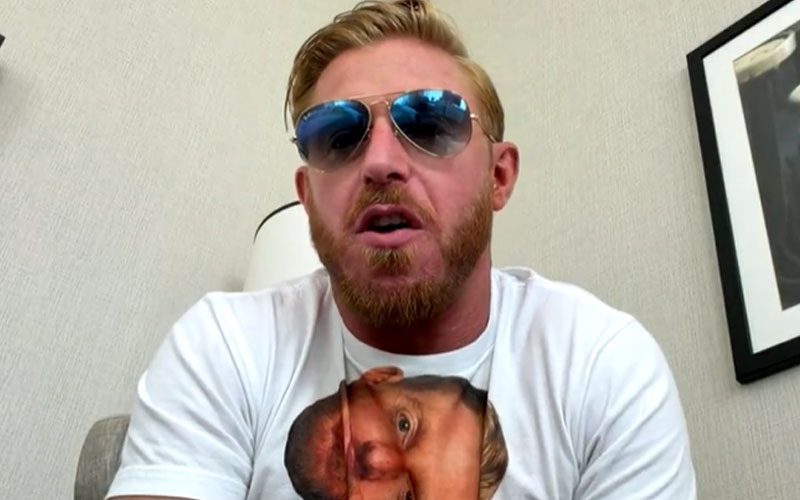
Professional wrestling is an industry obsessed with the long arc. Talent spends months mapping out developmental stages, character pivots, and narrative pay-offs. Then there is Orange Cassidy, who openly admits he operates without a blueprint. As Ringside News noted, the performer has explicitly stated he lacks a five-year plan for his career in AEW.
This isn't necessarily a sign of professional negligence. In a space where over-scripting often leads to fatigue, Cassidy’s approach is a tactical anomaly. His psychology relies on subverting expectations rather than fulfilling them through traditional tropes.
The danger of non-attachment
While the spontaneity works for a character built on apathy, it invites legitimate questions regarding his trajectory. Without defined goals, the mid-card becomes a permanent residence. When a performer stops chasing the top of the card with intent, they risk becoming a feature rather than a priority.
Consider the recent booking of his peers. Those who ascend the ranks usually do so via high-stakes feuds defined by clear victory conditions. If Cassidy refuses to signal ambition, the booking team is left with little material to substantiate a main event push. Being the coolest guy in the ring only sustains a segment for so long.
Analyzing the limitations of the gimmick
Technically, Cassidy is sharper than his persona suggests. His utilization of the Orange Punch—essentially a spinning backfist reliant on momentum—often relies on the opponent being baited into a false sense of security. It is a smart piece of in-ring chess.
However, the execution lacks the sustained intensity required to hold a championship at the highest level for more than a 3-month window. He occupies a niche that provides high-quality matches, yet he rarely dictates the direction of the program. Relying entirely on improv in a scripted industry creates a ceiling that even the most talented performers struggle to break.
What to watch for in the ring
If you look at his recent history, his success rate correlates directly with his ability to exploit opponents who underestimate his speed. When wrestlers attempt to mirror his pace, he loses the tactical advantage of being the one who dictates the tempo.
Expect his next few appearances to be tests of whether he can remain relevant without a dedicated narrative hook. If he refuses to articulate where he wants to go, the promotion will inevitably decide for him. For a performer who built a career on doing less, having someone else dictate his career path is a precarious position to occupy.
The verdict moving forward
Cassidy’s refusal to build a legacy plan is bold but ultimately unsustainable. I predict he remains a mid-card gatekeeper for the remainder of 2026. Unless there is a shift in his creative commitment, he will finish the year with a win-loss record hovering around 65 percent, solid but static.
True growth in this industry requires a target. Right now, Cassidy is throwing strikes in the dark. It is fun to watch, but eventually, someone is going to stop missing.