The limitations of the TNA nostalgia play
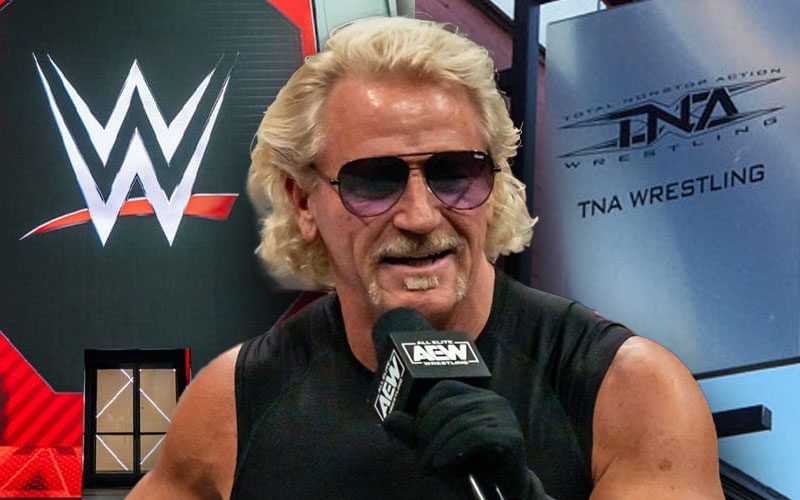
Matt Hardy’s recent comments regarding TNA talent having a spot in the Attitude Era are classic veteran hyperbole. Watching the product in mid-2026, it is clear that TNA is leaning too hard on heritage value rather than developing a distinct modern identity. Nostalgia is a crutch, not a business strategy.
As WrestlingNews.co recently detailed, the reliance on older stars to validate current roster members creates a glass ceiling for legitimate up-and-comers. When you frame your current talent by how they would have fit into a show produced 25 years ago, you inadvertently admit they lack the relevance to stand on their own in the current market.
The math behind the roster movement
The average age of the main event scene at TNA has climbed over the last eighteen months. While the veterans provide stability, they are eating up high-leverage minutes that require real-time development for younger performers. A match that hits the 15-minute mark shouldn't rely on the same sequences we saw in 2005.
The efficiency of these matches is trending downward. In recent quarters, TNA has seen stagnant engagement metrics among the demographic that actually drives streaming numbers. Relying on a "glory days" narrative is a defensive posture when you should be aggressively capturing market share.
Why this strategy will fail in the long term
My prediction is that TNA will struggle to maintain its current slot as a third-tier player unless it pivot away from the Attitude Era comparisons. Wrestling fans are incredibly perceptive; they know when a show is trying to replicate a bygone aesthetic instead of pushing for innovation.
The lack of aggressive booking changes suggests management is comfortable with the current drift. I am calling it now: TNA will lose at least 12% of its core weekly viewership by the end of Q4 if they don't move the spotlight away from legacy acts and toward original storylines that don't hinge on historical validation.
The refusal to let current talent evolve without the shadow of the past is their most glaring flaw. If they continue this current trajectory, their status in the market will shift from a viable alternative to a nostalgia-based vanity project.