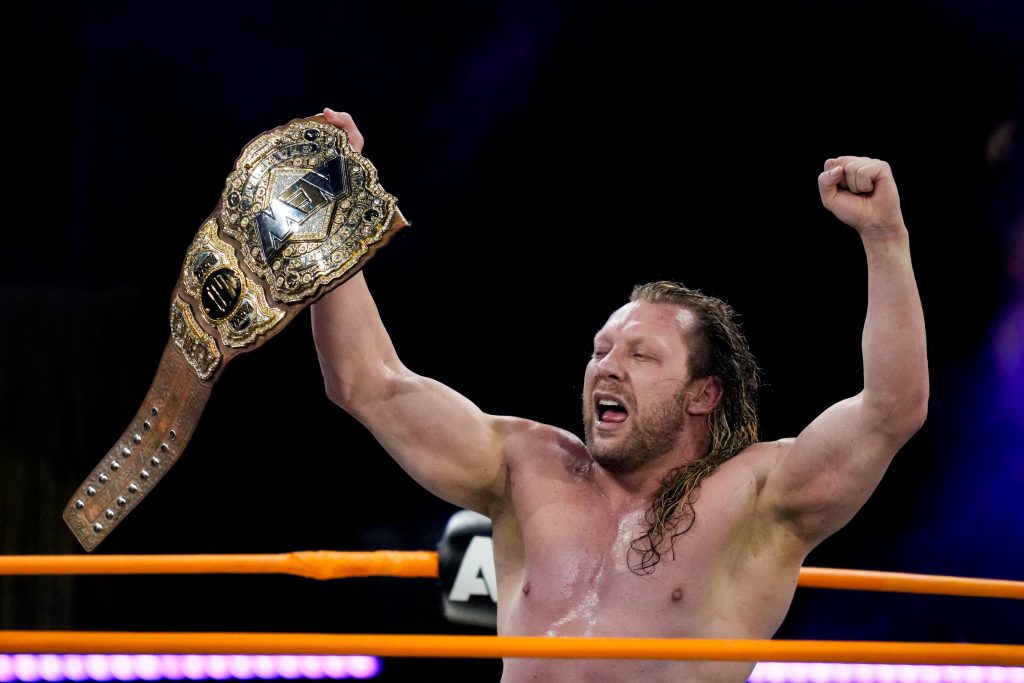
Why nostalgia-heavy podcasting is failing the current wrestling product

The archive obsession is stalling our critical discourse
As of July 19, 2026, the podcast feeds are drowning in the past. Look at the latest PWTorch archives, and you find a loop of 2011 analysis, 2016 Dutch Mantell interviews, and 2021 NXT recaps. We are currently consuming more commentary on the Karrion Kross-Samoa Joe era than we are on the current internal power shifts of AEW or New Japan.
This reliance on historical retrospectives functions as a defensive screen for analysts. It is easier to dissect the Pipe Bomb with 15 years of hindsight than it is to identify the structural flaws in a live wrestling show hitting the airwaves this week. When we lean into the "Interview Classic" format, we treat wrestling history like a museum piece rather than a living, breathing product that demands immediate, cold-blooded scrutiny.
The missing pulse in live coverage
There is, occasionally, a sharp break in this trend. The recent reports from Joel Dehnel on the AEW Brawl in the Ballpark represent the kind of granular, on-the-ground reporting that keeps the industry honest. Dehnel’s observation of the crowd reaction matters more than another hour-long breakdown of Zeb Colter’s character development from a decade ago.
We need more Nick Barbati-style critiques regarding current talent development. Speculating on how a specific creative director would push a rising star is productive; rehashing the Final Deletion saga or Puerto Rican road stories serves only the nostalgia-industrial complex. It is a creative crutch that prevents us from addressing the stagnation currently cooling down the weekly television ratings.
Metrics over memories
The obsession with the past hides an uncomfortable truth about the present. Wrestling discourse has become unmoored from the actual mechanics of the business—the booking, the talent utilization, and the live experience. By spending 122 minutes on Dutch Mantell’s memories instead of analyzing a current 0.22 demographic rating, experts are ignoring the data that dictates the long-term viability of their own subject matter.
My critique is simple: the industry needs to stop treating every podcast slot as a history lesson. A promotion cannot live on "good old days" segments alone. When we move away from real-time analysis, we lose the ability to hold promoters accountable for the bland, repetitive main events that define the modern era across almost every major company.
The Pipe Bomb was a singular moment of cultural friction that forced the industry back to the drawing board for a season, but analyzing it for the hundredth time does nothing to help us understand why current top-card feuds lack that same organic gravity.
The industry doesn't need another retrospective on why the Macho Man Randy Savage belongs in the Hall of Fame. It needs a brutal reckoning on why the booking at recent G1 Climax shows isn't capturing the same intensity that made the tournament a powerhouse ten years ago. We are failing the audience by prioritizing the rearview mirror over the reality of the front windshield.
Under the Black Hat: My Life in the WWE and Beyond
Good ol' JR takes us behind the scenes of the legendary Attitude Era.
Frequently Asked Questions
Why is current wrestling podcasting criticized for focusing on the past?
How does nostalgia-heavy content affect live professional wrestling?
What type of wrestling reporting is considered more valuable than retrospective podcasts?
What metrics are being ignored due to the focus on historical wrestling content?
Why is analyzing historical moments like the Pipe Bomb considered problematic today?
More Coverage

Sidney Akeem's meteoric jump to the main roster is still baffling fans
2 hours ago
The 10 Defining Moments of 2026: Pro Wrestling’s High-Stakes Year
2 hours ago
Why AAA's NYC involvement signals a major shift for WWE's international strategy
2 hours ago
Becky Lynch has been gone for six weeks and Raw is feeling the pinch
2 hours ago
Paige, leaks, and why the surprise return is dying a slow death
4 hours ago
The wrestling world reckons with the dark side of legend status
4 hours agoMore Analysis

The repetitive trap of wrestling podcast retrospectives
1 month, 3 weeks ago
Why we are romanticizing the wrong era of wrestling commentary
1 month ago
Tubi is becoming the unlikeliest home for wrestling history
1 month, 1 week ago
Why wrestler naming conventions have hit a creative wall
2 months, 3 weeks ago
Why we keep looking at wrestling's history through a distorting mirror
1 month, 1 week ago