The advocate at a career crossroads
Paul Heyman finds himself in a unique position following a period of unprecedented institutional turbulence within WWE. While he remains the architect behind some of the company’s most pivotal character shifts, including the transition of Roman Reigns from the 'Big Dog' to the 'Tribal Chief,' his own creative shelf life in Stamford is currently under the microscope. Recent comments from Heyman acknowledging that AEW has forced WWE to work harder suggest a professional curiosity that transcends the traditional tribalism of the sport.
Heyman’s recent public reflections on his career—specifically his candid discussions regarding failed creative partnerships with talent like Cesaro and Curtis Axel—reveal a man who is evaluating the efficacy of his own methods. As WrestleTalk recently documented, Heyman is willing to pull back the curtain on how those relationships disintegrated in the eyes of management. This level of transparency is rare for someone so deeply entrenched in the WWE machine, and it serves as a signal that he is no longer operating under the iron-clad secrecy of the Vince McMahon era.
Evaluating the AEW potential
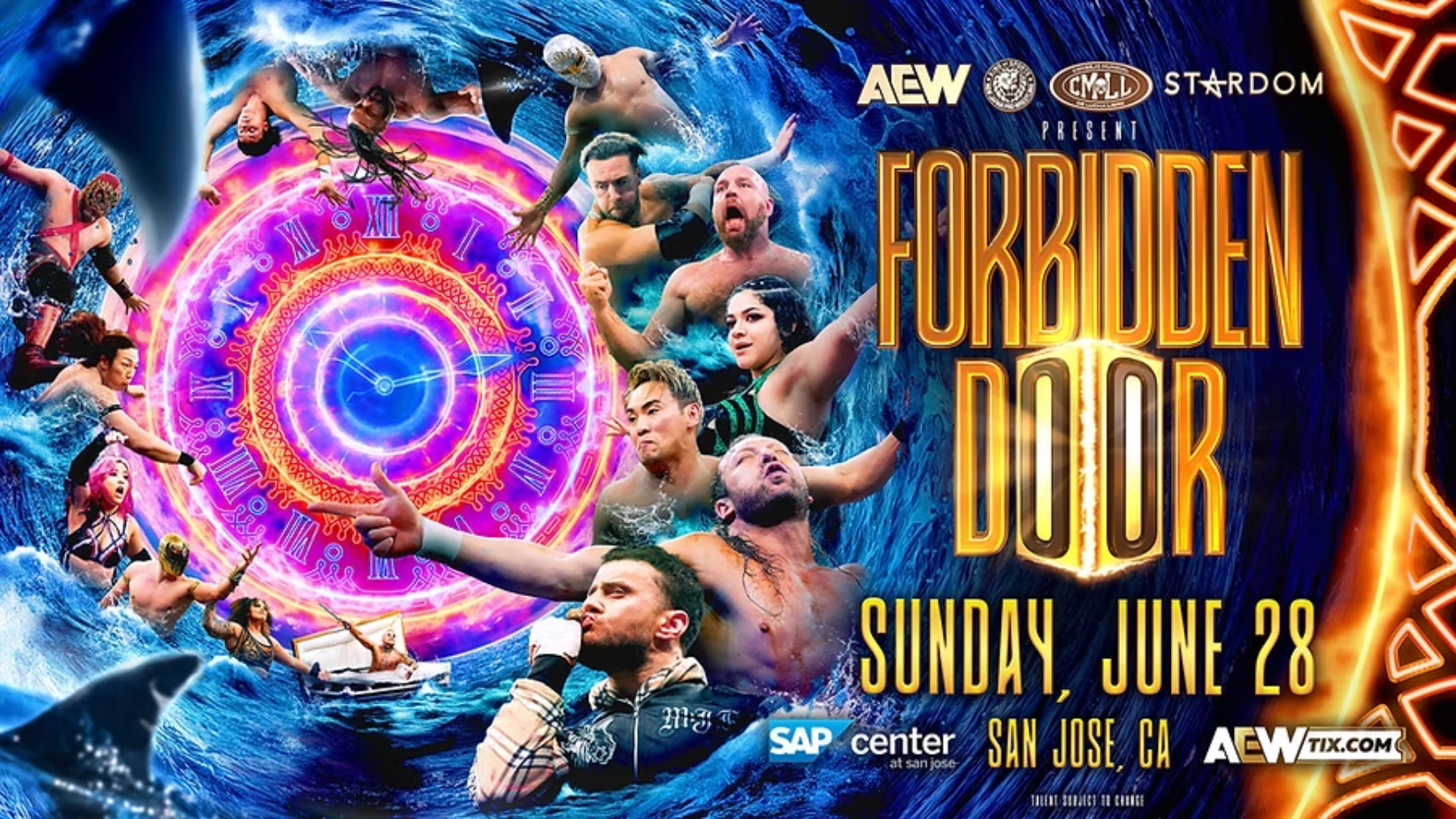
Speculation regarding a jump to AEW has intensified, not because of a direct offer, but because of Heyman’s outward admiration for the product. He has stated, as reported by Ringside News, that the industry is objectively better for the existence of Tony Khan’s promotion. For a man whose DNA is forged in the guerrilla warfare of ECW, the chance to influence a secondary, competitive brand is arguably more tempting than a ceremonial role in a WWE creative office stripped of its former volatility.
The creative direction potential here is twofold. First, Heyman acts as a legitmizer for younger talent. If AEW is looking to elevate their mid-card into legitimate main-event threats, pairing them with the most effective talker in the industry remains the shortest route to success. However, there is a legitimate concern regarding Heyman’s ability to adapt his style. His history is littered with projects that prioritized his own aura over the development of the performer, and AEW’s roster often relies on a high-octane, move-heavy style that doesn't always align with the slow-burn, psychological storytelling Heyman favors.
Source credibility and the reality check
Sources close to the negotiations process—or lack thereof—emphasize that Heyman is currently under little pressure to make a move. The decision to remain a 'Heyman Guy' primarily for Brock Lesnar has served him well, but with Lesnar’s recent emotional departure and the pivot away from active competition, Heyman is effectively a free agent of influence. The credibility of a full-scale departure remains low, as Heyman has spent decades positioning himself as the ultimate WWE insider, but the incentive structure has fundamentally shifted.
Critically, Heyman is not immune to the ego-driven booking flaws that have plagued him in the past. His tendency to monopolize the microphone can stifle a worker's organic growth—a criticism that followed his pairing with Cesaro in 2013. If he brings this same approach to AEW, he risks overshadowing the very stars he is supposed to be putting over. The marriage of Heyman’s old-school promo philosophy with AEW’s modern wrestling style is a stylistic gamble, not a guaranteed home run.
The probability of a change
The probability of Paul Heyman formally signing an on-screen contract with a promotion outside of WWE in the next 12 months is currently rated at 15 percent. He remains too valuable to WWE’s internal history and future legacy to let him walk comfortably, and it is likely that he will be retained as an agent or consultant rather than allowed to explore the open market. He is the bridge between the old guard and the current roster; losing that connection would be a self-inflicted wound for WWE.
If the deal were to occur, the impact would be seismic. Much like Tony Khan’s acquisition of proven veterans, Heyman provides an instant injection of 'big league' credibility. He would immediately become the primary antagonist for whoever holds the AEW world title, forcing a change in how promos are structured for the entire program. It would represent the single most disruptive hire in the industry’s recent history, even if the creative returns remain wildly unpredictable.