The Walrus speaks, and for once, we should probably listen
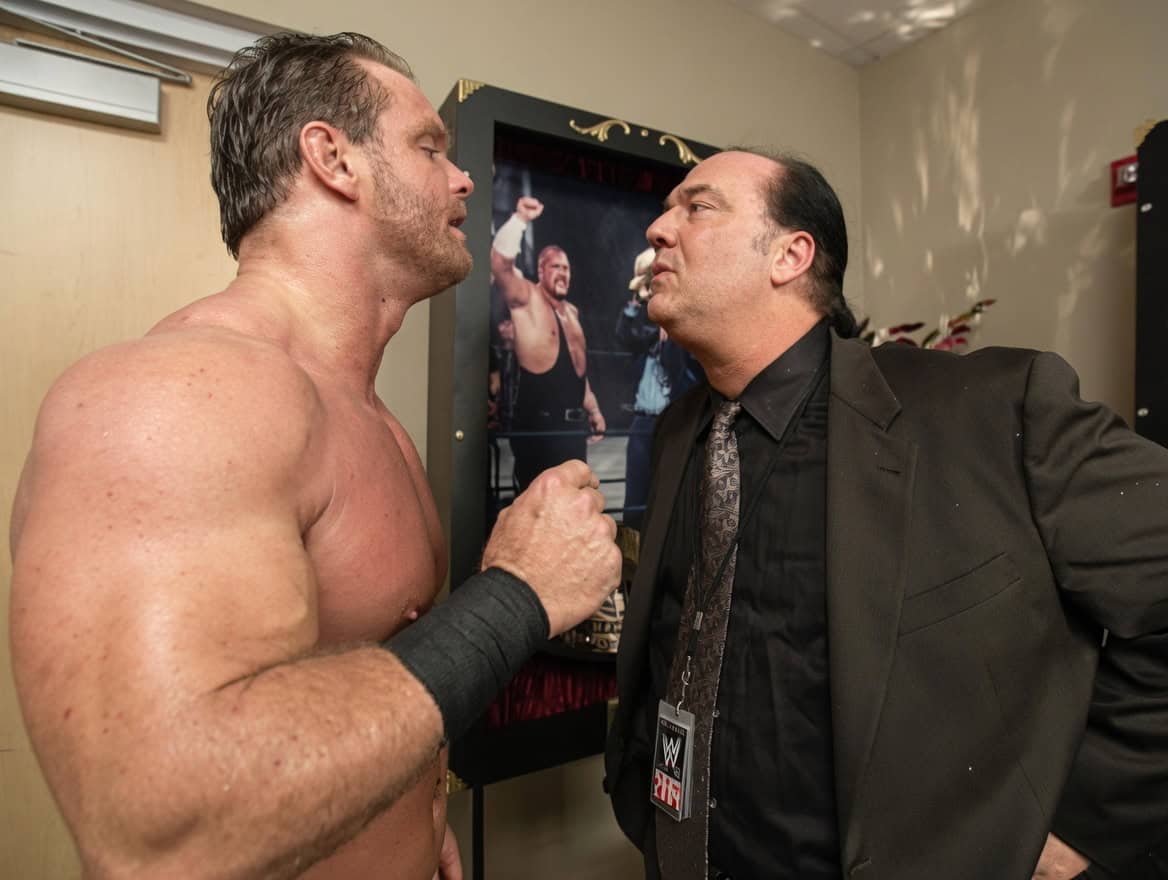
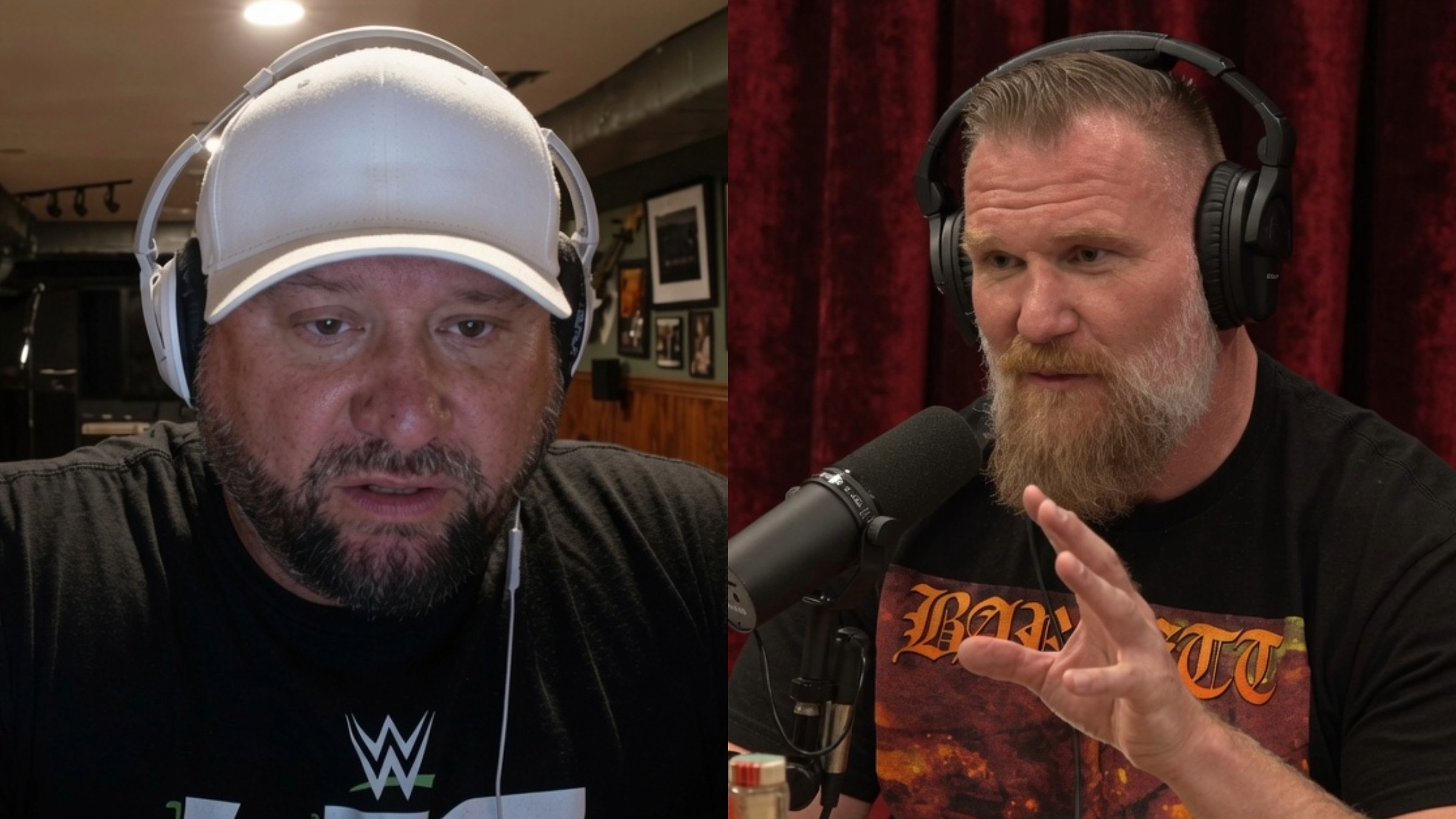
Paul Heyman is not exactly known for being the most impartial guy in the room. This is the man who sold us on the idea that the Dudley Boyz were misunderstood poets before they put someone through a burning table at Barely Legal. When Heyman speaks, there is usually a carny angle behind it, a way to spin the narrative toward whatever promotion currently pays his bills. But when he recently sat down and started talking about the state of professional wrestling, specifically concerning the influence of AEW, the man actually made a point that even the most tribalistic basement dwellers have to respect.
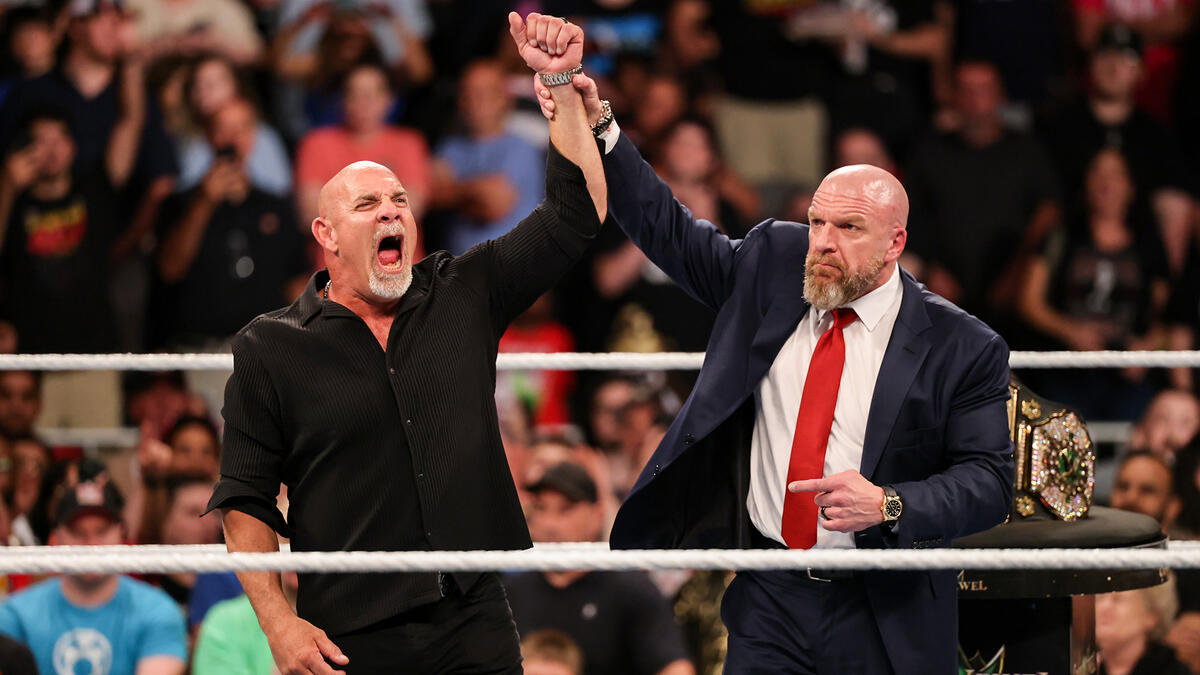
The headline-grabbing soundbite was about the money. Heyman noted that in his view, the existence of a viable alternative like AEW certainly changed the compensation for talent. Honestly, anyone arguing against that is just delusional. Before the Kahn-bucks started flowing, you were essentially at the mercy of the Stamford machine. You wanted a pay bump? You asked Triple H, you took what they gave you, and you went back to the catering spread to eat your lukewarm pre-show chicken. If you didn’t like it, your alternative was bouncing around the indies or hoping Impact could find a budget for your travel.
‘It Certainly Changed The Compensation For Talent’ – WWE’s Paul Heyman
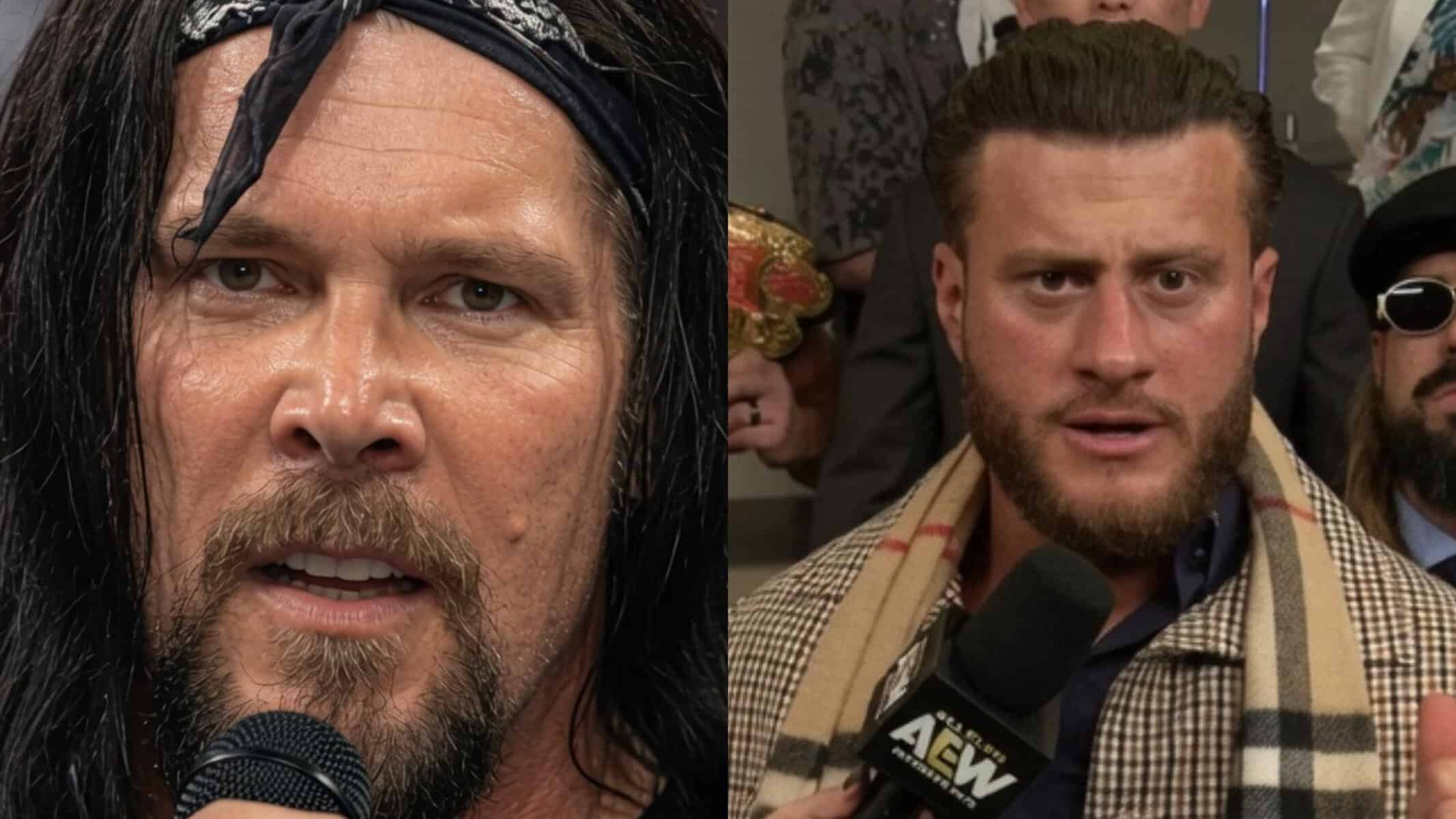
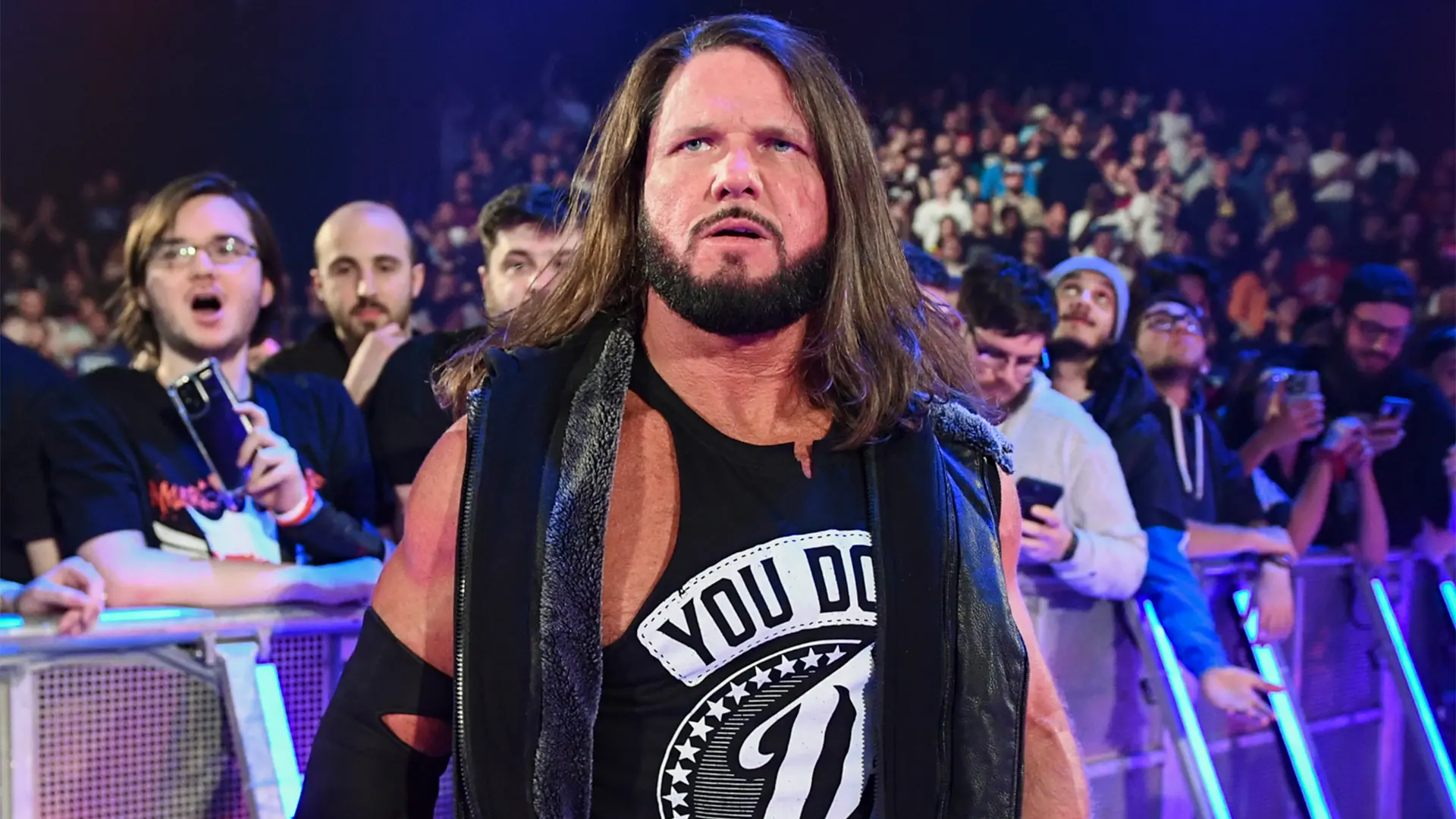
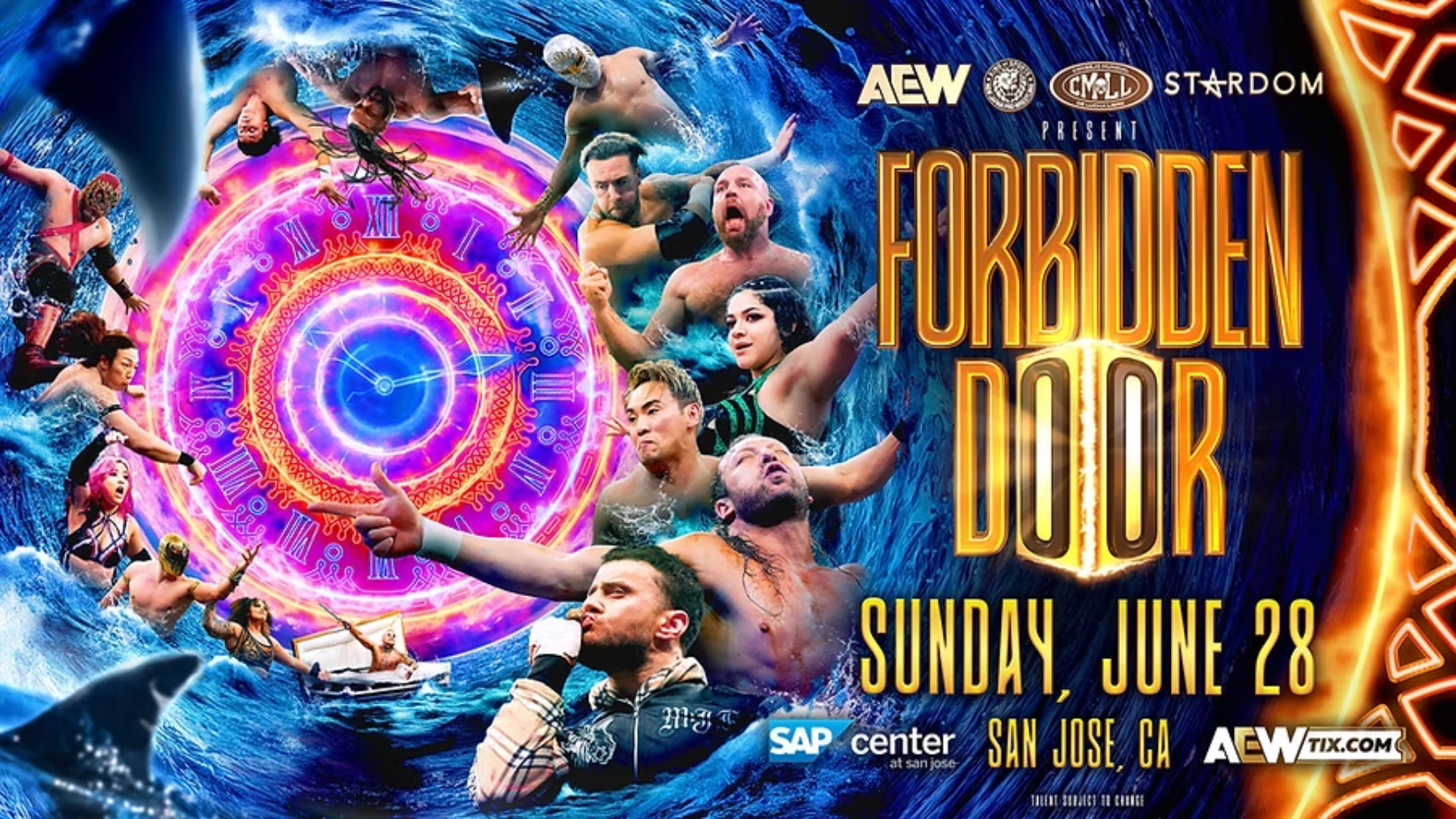
The rise of All Elite Wrestling turned the basement floor into a bidding war. When you have someone like Will Ospreay or Kazuchika Okada looking at their options, the math changes instantly. WWE had to adapt, and they did, pushing their own deals to 8 figures for the high-end guys just to keep the library locked down. This isn't just theory. We saw it when guys like Adam Cole or Bryan Danielson jumped ship, forcing the industry to recalibrate what a top-tier performer is worth on the open market.
The ECW shadow looms large over the current product
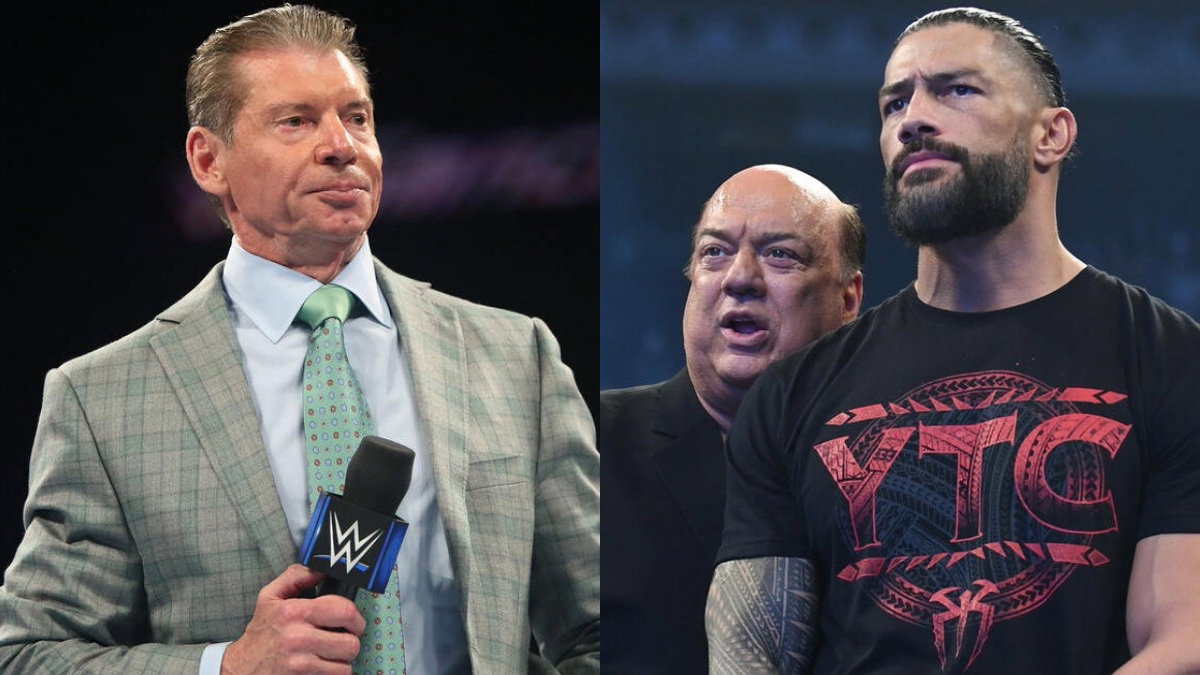
Heyman also brought up the ECW influence on the current WWE product. It is funny to think about because, for years, Vince McMahon treated the concept of extreme wrestling like a venereal disease he was trying to scrub out of the industry. He bought the archives, buried the brand, and let the footage rot until the WWE Network needed filler. Now, you look at the way Triple H runs modern television and the DNA is obvious, even if the edges are smoothed out for the shareholders.
The episodic nature of the current booking, the emphasis on building heat through organic rivalries rather than just scripted powerpoints, and even the way they frame the chaos in the ring—it all reeks of Philadelphia circa 1997. They learned that the fans want reality, or at least a flavor of it. They want blood. They want stakes. When they had Cody Rhodes get his head opened up early in his run, or when they let the storytelling drift into the darker, more personal territory that we saw with the Bloodline saga at its peak, that was the ghost of the Bingo Hall calling home.
The ugly truth of the current landscape
Of course, let’s not act like things are perfect. Heyman is being a company man, and there are glaring issues that suggest we haven't quite reached the promised land of wrestling equality. While the talent at the very top is getting paid like royalty, the mid-carders are still stuck in a revolving door of misery, getting cut the second a quarterly earnings report looks a bit thin. We saw it constantly over the last four years—mass releases that prove that no matter how much competition exists, the leverage still tilts heavily toward the guy at the top of the totem pole.
Furthermore, the creative structure in WWE still feels like a straightjacket compared to what allowed ECW to innovate. They might have adopted the look and the intensity, but they still struggle to let go of the control. When they get a golden egg on their hands, they often suffocate it with 3 hours of filler and excessive commercial breaks instead of just letting the action breathe. You can copy the style of a cult promotion, but you can’t buy soul, and sometimes the polish of a billion-dollar production feels like it is strangling the life out of the actual matches.
Still, you have to admit that we are in a better spot than we were in the 2010s. Remember when the Raw main event was just a rematch of the same guy, 4 weeks in a row, with zero buildup? That was the dark ages of creative bankruptcy. Say what you will about Tony Khan, but the sheer amount of content and the desire to actually put on marquee matchups has forced the industry to stop sleepwalking. If this weird, chaotic tension between the two companies continues, the real winner is the guy sitting at home with a Peacock subscription and a tab open to the latest gossip site.
Heyman knows how to play the game better than anyone, and if he is giving credit to the competition in public, it is because he knows that the current WWE success is predicated on having a threat to keep them honest. We aren't going back to the territory days, and we aren't seeing a true war, but we at least have a market that recognizes performance matters. Keep the pressure on them, keep the budgets ballooning, and maybe, just maybe, we get another decade of wrestling that feels like it actually means something.