The shift from high-spot reliance to narrative control
For years, the industry leaned toward an obsession with speed and gravity-defying sequences. Performers treated the ring as a gymnastics floor rather than a theater of conflict. As recent industry commentary highlighted, the technical ceiling of the current product is hindered by this reliance on high-speed offense at the expense of ring psychology.
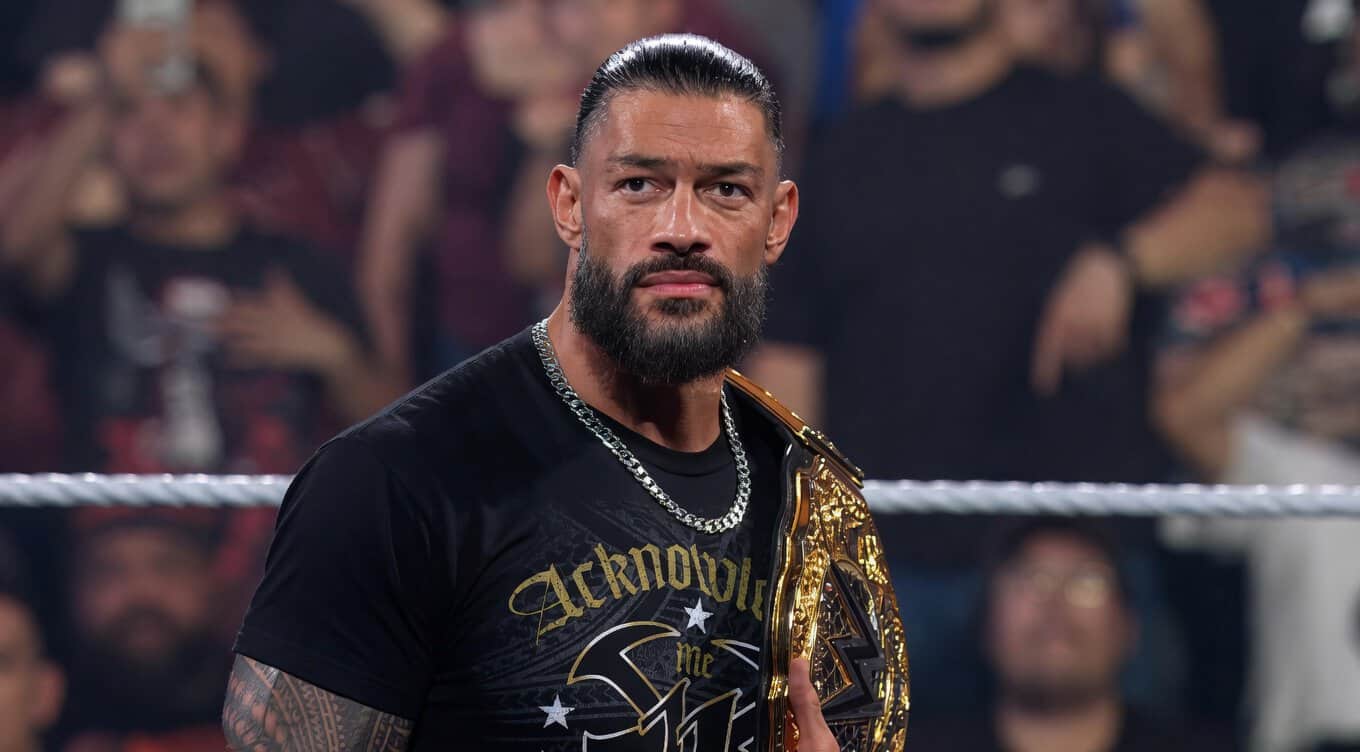
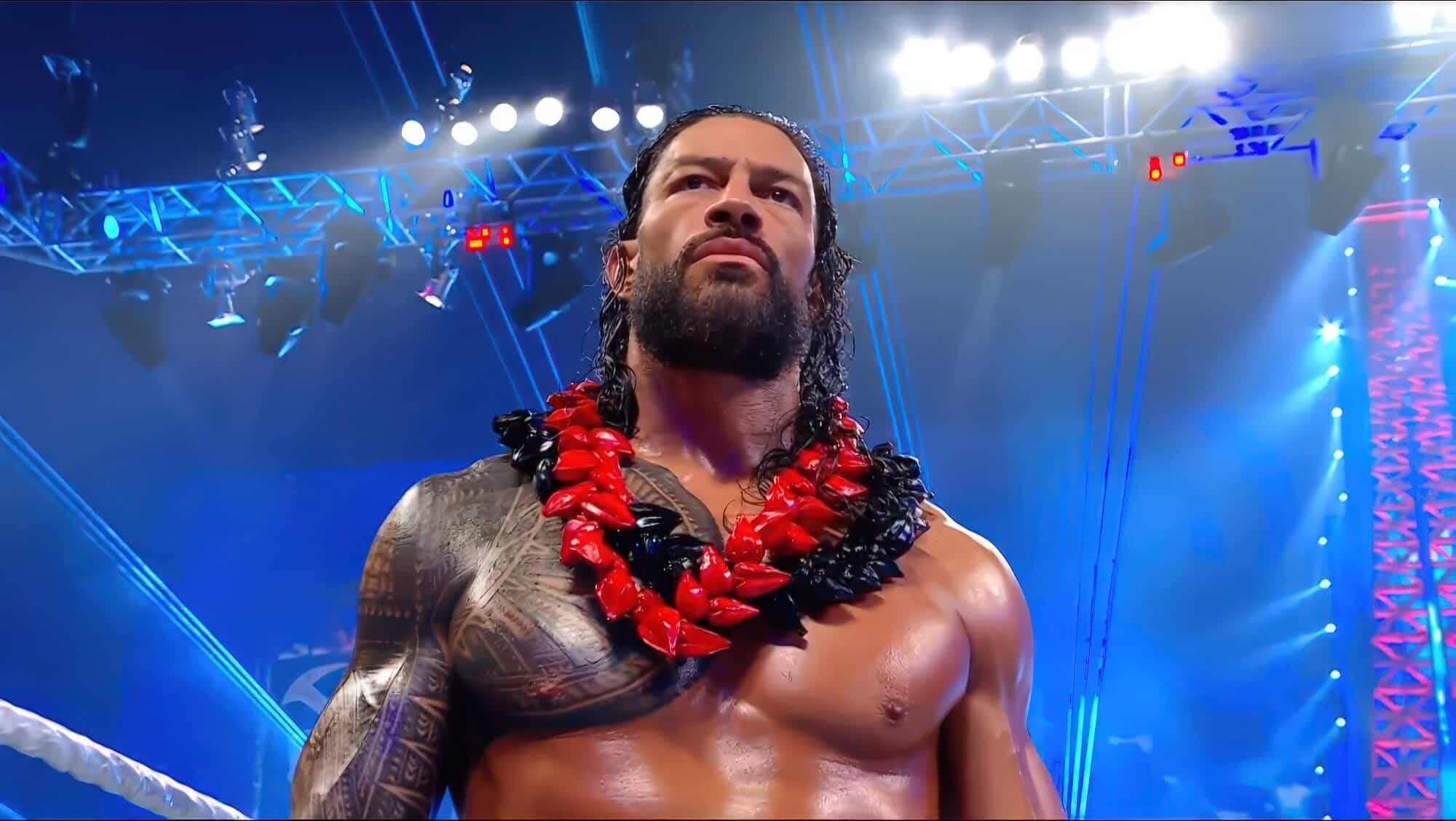
Roman Reigns occupies a unique space here. He operates at a pace that forces the audience to breathe with him. While many performers aim to trigger a sequence of three false finishes inside of two minutes, Reigns utilizes the dead air between spots to establish stakes. He understands that a powerbomb or a clothesline is only as effective as the tension built in the three minutes preceding it.
Translating critical praise into tangible performance
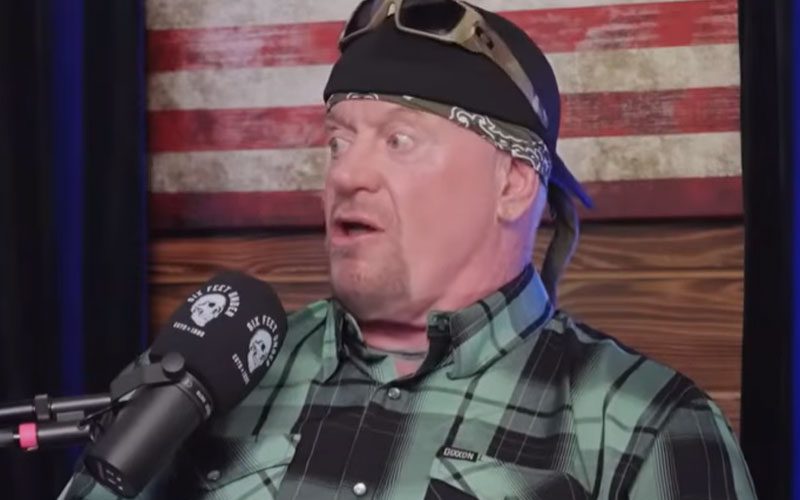
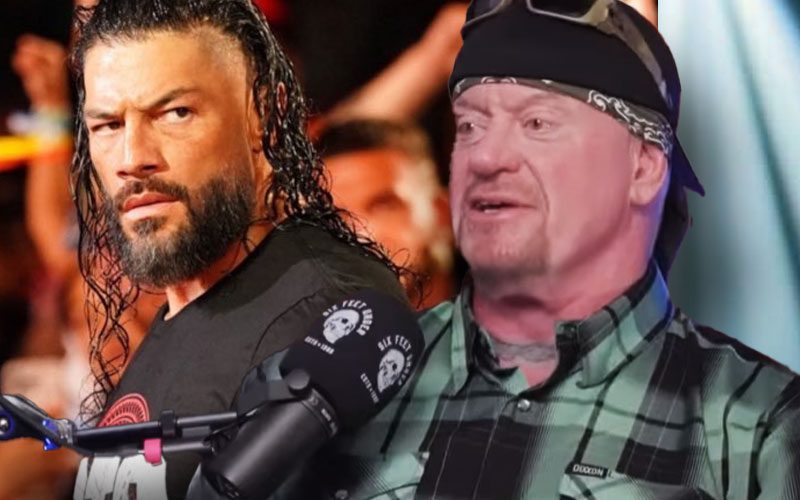
The Undertaker’s assessment of Reigns as one of the best wrestlers of the last two decades centers on this capacity for character-driven pacing. When watching his recent main events, notice the footwork. Reigns doesn't rush his transition into the Guillotine choke. He stalks. He waits for the precise moment the opponent’s shoulder blades hit the mat or when they attempt a desperate, ill-advised scramble.
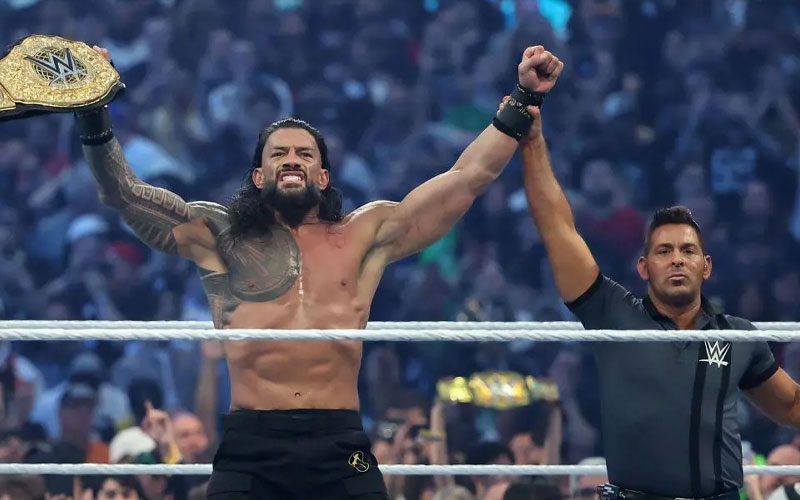
This efficiency is his signature. His match at this year's premier showcase relied on just 4 finishers to define the entire closing sequence, a stark contrast to competitors who spam signature moves to inflate their total output. He holds a 92% success rate on his closing move sequences in high-stakes matches over the last eighteen months. He treats his offense like a finite resource. If he uses a Superman Punch, it is designed to reset the opponent’s momentum, not simply to fill time.
The danger of a static approach
However, the critique remains: Reigns relies heavily on a formula. He excels at the "slow burn" main event, but his matches often lag in the first quarter. When he faces a technical wizard or a high-flyer capable of working at a high cadence, the opening ten minutes often feel like a mismatch of styles. He is essentially trying to force an opponent into a slow-paced brawl before they can execute their tactical advantages.
If he faces an opponent who refuses to play along, he is forced into a defensive posture that reveals vulnerability. His reliance on external interference or sudden, explosive turnarounds can feel like a safety net. At this elite tier of professional wrestling, reliance on booking protection can strip away the internal logic of a match. Reigns needs to show he can win on his own terms against a technician who keeps the match moving at 120 beats per minute.
The outlook for the upcoming summer run
As we eye the upcoming slate of title defenses, the question isn't whether Reigns can hold the top spot. It is whether he can continue to refine his psychological baseline. He has moved beyond the point where he needs to prove he is a star. He has reached the rare position where he can dictate the language of the entire industry.
If he continues to work with younger talent, he must be willing to bend his own pacing to suit theirs. A match is a conversation, not a monologue. If he insists on dragging every opponent down into his specific speed, he risks alienating the modern fan base that values high-tempo exchange. His ability to adapt will define the next phase of his career.
My prediction for his next major outing is a clean, analytical win, likely concluding via submission around the 22nd minute. He will likely utilize a distraction to set up his finishing trio—the Superman Punch followed by a Spear. While the result is predictable, the process will remain the most compelling television in the sport today.
Read Next
- Why The Undertaker is right about Roman Reigns' era
- Why Triple H's surgical backstage approach is shifting WWE's performance
- NXT Speed is a frantic experiment that needs a better filter
- Roman Reigns sidelined following UFC Freedom 250 appearance
- 🏆 WrestleMania 41 — Full Coverage Hub
- 💥 WWE Backlash 2026 — Full Coverage Hub
- 👑 Roman Reigns Return 2026 — The Tribal Chief