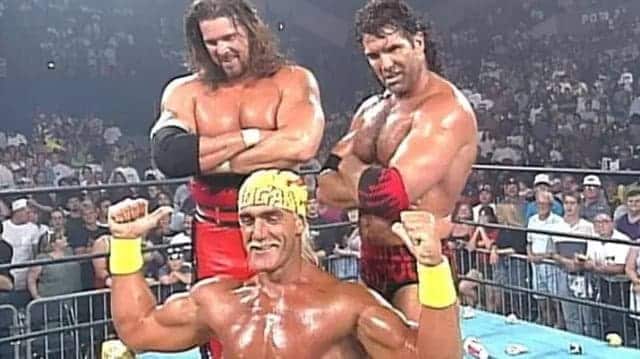
Predictable industry bickering is masking the real shift
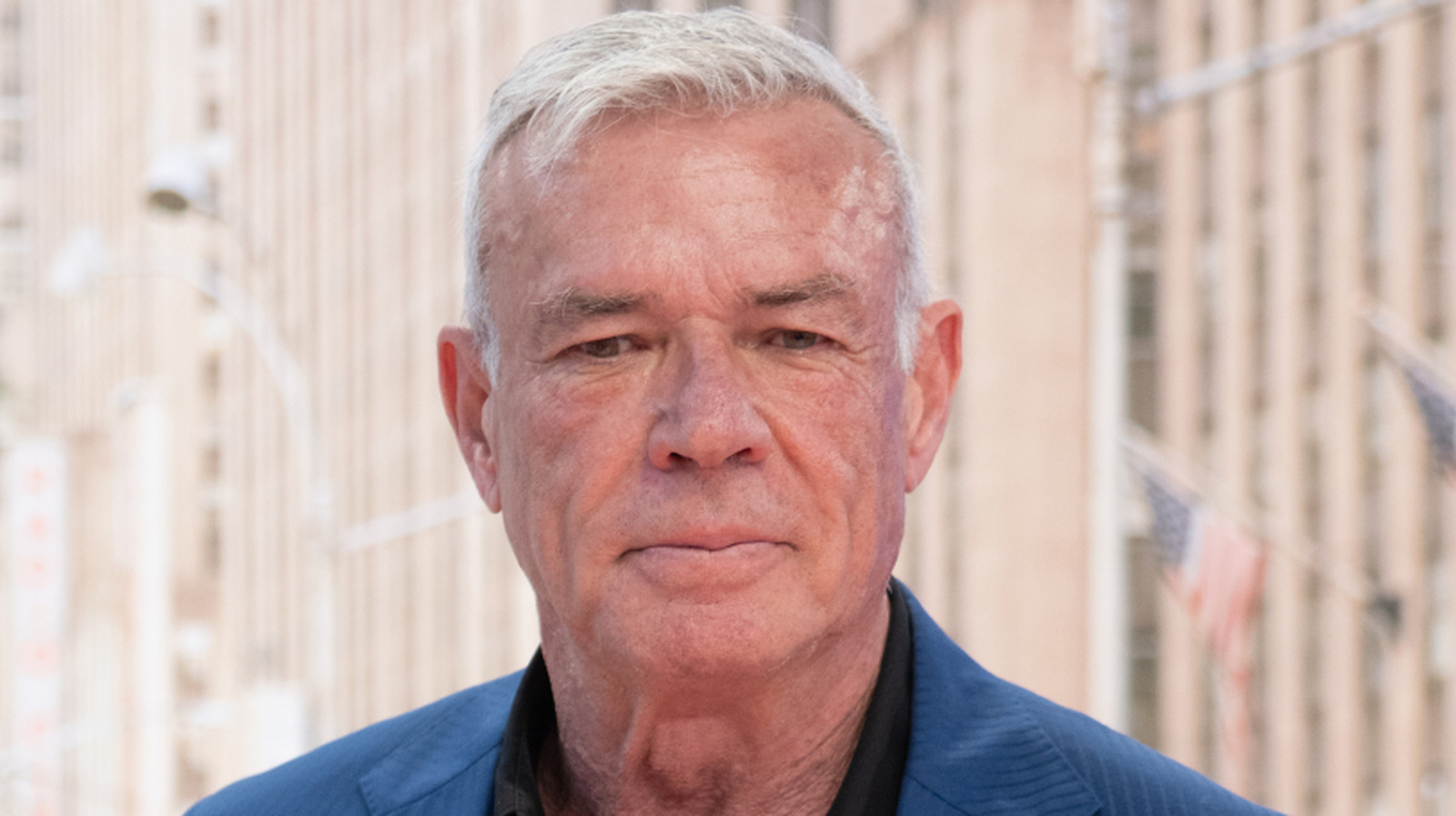
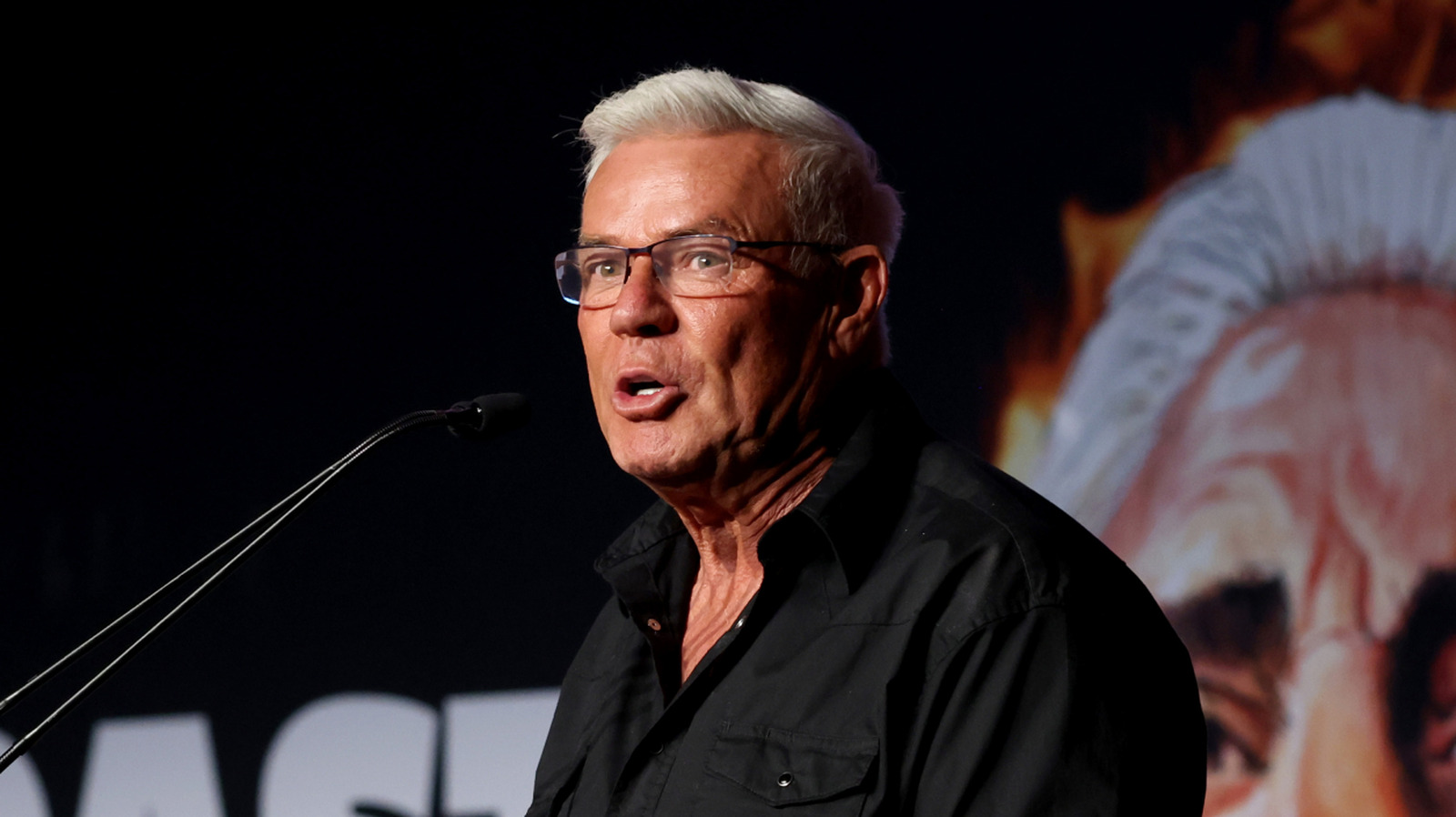
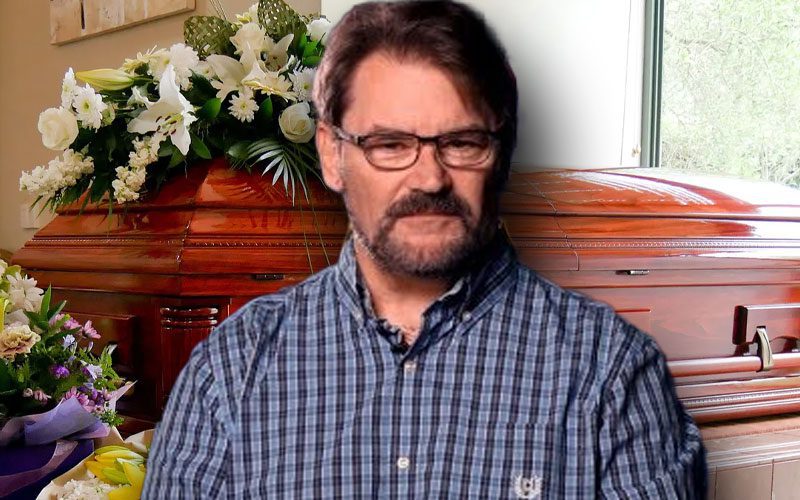
When Eric Bischoff recently pulled back the curtain on Bash at the Beach, recounting how Tony Schiavone was genuinely furious behind the scenes, he reminded us why the 90s were effectively a state of lawless warfare. Those personal stakes generated an authenticity that modern scripted television often tries—and fails—to replicate. We are currently seeing a strange, modern inversion of these old frustrations.
The current tension between promotions isn’t about territory maps or WCW versus WWF booking. It is defined by talent migration and public airing of grievances on podcasts. When veteran voices like Bischoff talk openly about past heat, it serves as a reminder that the healthiest periods in wrestling occur when the locker rooms are genuinely competitive and not just reading from the same corporate script.
The Schiavone effect on current booking
Schiavone’s frustration at Bash at the Beach was a reaction to the unpredictability of Bischoff’s booking. In today's landscape—that word is forbidden here, so let's call it the current era—audiences can smell when a match finish is sanitized for an corporate narrative. The demand for visceral, grounded conflict is higher than it has been in two decades.
We are watching a shift where the audience rewards the 'shoot' feel over polished, high-definition perfection. While modern production values are pristine, the wrestling itself is currently missing that raw edge where characters don't feel like they're coworkers. The industry needs more friction, whether it's on the mic or in the final minutes of a main event.
Why raw competition beats scripted perfection
I am predicting that the next 18 months will force a move toward more unscripted, high-stakes promos that feel like the Bischoff-Schiavone era. The recounting of old rivalries isn't just nostalgia; it is a blueprint for how to spike ratings. When performers stop performing and start reacting, the needle moves.
The major flaw in modern product is the over-reliance on a clean, safe outcome. A 15-minute draw is a fine tactical choice once or twice a year, but when it becomes the standard for protecting talent optics, the crowd loses its appetite. We need to see more talent burning bridges, even if it's part of the narrative, because that kind of heat sells out arenas.
Final Call: The return of the bitter rivalry
My prediction is simple: the next big booking trend will be the manufactured, but highly realistic, separation of talent. We will see more promotions treating their competitors like legitimate threats rather than quiet business partners. The outcome of this won't be a merger, but an increase in real-world friction that translates to higher tension on screen.
Some will criticize this as regressing to the 90s, but they are missing the point. Wrestling thrives on an 'us versus them' mentality. If the booking teams lean into the genuine annoyance that guys like Schiavone felt, they will reclaim the unpredictable magic that defined the industry's peak, regardless of any corporate mandates.