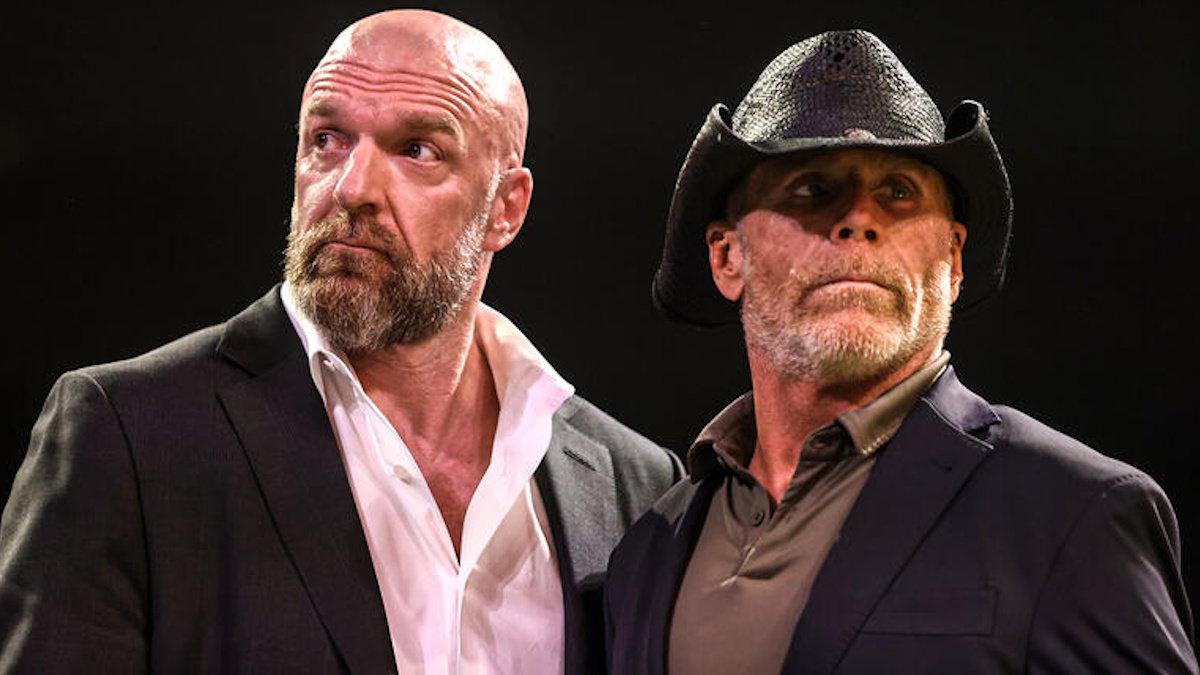
The transition from NXT to the main stage
Developmental remains the engine room for the company, even as the brand split tightens its grip on roster movement. Recent reflections from prospects point toward a distinct shift in coaching styles between Triple H and Shawn Michaels. Managing the transition from the Performance Center to the main roster setup is the ultimate test for any young performer.
As Je’Von Evans noted, the structural differences in how matches are laid out between regimes are significant. Michaels focuses on the technical intricacies of bell-to-bell wrestling. Triple H prioritizes the wider scope of character evolution and high-stakes pacing. When you watch the current product, you can see the friction between these philosophies.
The static nature of the broadcast product
SmackDown episodes recently have leaned into a formulaic rhythm that prioritizes short-term heat over long-term narrative rewards. The reliance on standard one-on-one challenges, such as Jimmy versus Royce, often feels like a stop-gap measure. It fills television time effectively but fails to build actual momentum for the mid-card.
We have seen an over-reliance on legacy names during media tours. The constant inclusion of legends like Jimmy Hart in promotional engagements serves to ground the history of the company. However, as Hart confirmed recently, there is a clear intent to keep veteran influence present in every corner of the business.
Predictable outcomes and the path forward
There is a glaring lack of jeopardy in the current creative direction. When matches are booked without clear personal stakes or long-form storytelling attached, the audience loses its incentive to invest. The booking often moves from one commercial break to the next without a logical through-line.
If you look at the recent slate of events involving legends on media rounds, there is a disconnect. Promotional appearances by Lita and others act as a nostalgia shield for the current creative lull. Relying on the past to carry the present is a strategy with a limited shelf life.
My prediction for the coming weeks is a regression in viewer engagement unless the creative team pivots away from filler bouts. We will likely see more recycled matchups before a major reset in late August. This cycle of stagnation usually breaks with a forced, high-profile turn, which I expect to happen within the next 45 days. Don't expect fireworks on the next broadcast; expect a 2-hour slog designed to maintain the status quo.