Why TNA Slammiversary is struggling to fill the room in Boston
The Economics of Stagnation: Capped Houses and Resale Crashes
Professional wrestling promotions in the summer of 2026 face a persistent problem of converting television viewers into paying arena crowds. While TNA Wrestling continues to produce weekly television broadcasts, their live ticket sales tell a much more sobering story. The promotional engine is running, but the immediate box office returns suggest the gears are failing to mesh.
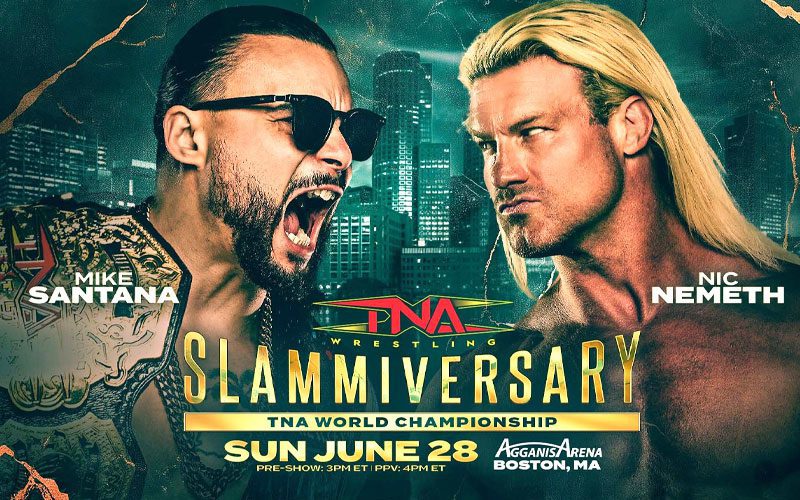
This Sunday, June 28, 2026, TNA presents Slammiversary from the Agganis Arena in Boston, Massachusetts. Ahead of the pay-per-view, fans can watch the Countdown to Slammiversary pre-show streaming live across digital platforms. According to ticket distribution tracking from WrestleTix, the promotion has distributed just 2,371 tickets as of the final weekend.
The venue configuration has been capped at a modest 3,122 seats out of a total capacity of 6,251. More alarming is the secondary market, where the cheapest standard admission ticket price crashed from $61.90 to $41.45. This represents a steep 39.5% decline in value just days before bell time, exposing a massive lack of local urgency.
This ticket crash is not an isolated market fluke; it is the direct result of a creative model stuck in its own booking formulas. The June 25 go-home episode of TNA Impact, which received extensive analysis in PWInsider's coverage, did little to persuade on-the-fence viewers to open their wallets. By relying on predictable angles and counter-productive finishes, TNA is actively cooling down its own pay-per-view momentum.
The Main Event Formulas and Logistical Stalls
Santana, Nemeth, and the Summit Template
The build to the TNA World Championship match between Mike Santana and Nic Nemeth is a perfect case study in formulaic writing. TNA President Carlos Silva and Gia Miller hosted a pre-taped World Title Summit in a hotel business center. The segment was designed to establish personal stakes, with Santana emphasizing his commitment to the company during its transitions.
The exchange quickly devolved into cheap personal insults that felt more hollow than dramatic. Nic Nemeth claimed Santana would fail under the international spotlight, stating that Santana was lucky his deceased father was not around to see him fail again. This prompt provoked a physical response, with Santana punching Nemeth before Ryan Nemeth jumped Santana from behind.
This summit brawl set up a predictable medical update segment later in the broadcast. Nic Nemeth took the ring to announce that Santana had been hospitalized and would not be cleared for Slammiversary, demanding the championship be awarded to him. Instead, a bloodied Santana crawled out, threw Ryan Nemeth down the entrance ramp, and brawled with the challenger.
While the visual of a bloodied babyface champion fighting through security creates a brief pop, the execution feels tired. With rumors circulating about Santana's potential departure from the company, the title match is already shadowed by real-world distraction. Adding a generic contract-signing-turned-brawl only highlights the lack of creative imagination at the top of the card.
The Tag Team Ladder Crowd
The TNA World Tag Team Championship Ladder Match suffered similar booking interference on the go-home show. Brian Myers and Bear Bronson, representing The System, are scheduled to defend their titles against The Broken Hardys and The Righteous. The June 25 episode opened with Matt Hardy and Brother Nero cutting a Compelling promo about their rebirth in the Wilderness.
The System interrupted to remind the audience that the titles, not character work, are the focus of the ladder match. This segment succeeded in establishing a grounded foil to the supernatural themes of the Hardys and The Righteous. However, the promotion immediately diluted the match's focus by adding a fourth team backstage.
Backstage interviewer Daria Rae informed Jason Hotch and John Skyler, known as The Great Hands, that they had been added to the ladder match. The justification offered was that the duo had been model employees. This flat administrative decision completely undercut the months of physical animosity built between the other three teams.
A multi-man ladder match is built on high-flying risk and physical geometry. Adding The Great Hands to the contest without any televised build or qualification match makes the title picture feel crowded rather than competitive. It is a decision that prioritizes body count over narrative cohesion.
The Workrate Division and Melodrama Bottlenecks
Under-delivered Builds in the Knockouts and X-Division
The Knockouts World Tag Team Championship picture fared no better, suffering from comedy booking on the final stop before Boston. The Elegance Brand, featuring Heather by Elegance and M by Elegance, are scheduled to defend their titles against Rosemary and Allie. Yet, their final television build was used as a backdrop for a separate singles dispute.
Ash by Elegance was scheduled to face Mara Sade in a singles match on the June 25 episode. The live Denver crowd began chanting at Ash, provoking a dramatic meltdown over the term mark. Ash declared she needed a mental health break and forced her stablemate, M by Elegance, to take her place in the ring.
The match ended in a disqualification at the six-minute mark when Elayna Black attacked Mara Sade on the top turnbuckle. A massive post-match brawl erupted, ending when Rosemary and Allie ran in to clear the ring. The babyfaces stood tall, having easily dispatched the tag team champions who are supposed to be formidable titleholders.
If your tag team champions are easily chased out by their challengers, the threat level of the upcoming title match vanishes. This reverse-build booking pattern damages the credibility of the champions while offering no real stakes for the challengers. It turns a title feud into a chaotic comedy segment.
This booking philosophy was recently defended by veteran producer Tommy Dreamer in public interviews. Dreamer stated that his job in TNA creative was to produce memorable moments, citing the emotional response of Knockouts Champion Lei Ying Lee during her title win as a key success. While moments are valuable, they cannot replace the structural integrity of a division.
Lei Ying Lee is scheduled to defend her championship against Xia Brookside in Boston. The final build for this championship match consisted of a brief pull-apart brawl after Brookside defeated Harley Hudson in six minutes. This minimal effort leaves the premier women's title match feeling like an afterthought on a crowded card.
The X-Division Championship build was similarly sacrificed to a formulaic six-man tag team match. Cedric Alexander defended his position alongside Frankie Kazarian and Mr Elegance against Leon Slater, Fabian Aichner, and KC Navarro. The match was a fast-paced showcase that ran for fifteen minutes before the commercial break.
The action featured a series of suicide dives that wiped out the competitors on the floor, leaving the crowd energized. Leon Slater connected with a spectacular Swanton 450 Splash on Mr Elegance, demonstrating the aerial precision that defines the Ultimate X match. However, the finish of the match actively worked against Slater's momentum.
Frankie Kazarian immediately rolled up Slater for the pinfall victory, securing the win for the heel trio. Pinning your most promising young babyface just days before he enters a seven-man ladder match is a baffling choice. It cools off the hot hand in favor of a cheap rollup finish.
The Ultimate X match is one of TNA's signature creations, requiring athletes to navigate cables suspended fifteen feet above the ring. To build anticipation, the participants must look like dangerous competitors capable of scaling the structure. Sacrificing Slater's momentum to give Kazarian a cheap win undermines the competitive drama of the match.
No Surrender and the Soap Opera Limit
The most intense feud on the card remains the No Surrender match between Moose and Eddie Edwards. The bout can only end when a competitor's corner person throws in the towel. The June 25 confrontation featured a heated face-off in the ring, with Moose accompanied by JDC, and Eddie backed by Alisha Edwards.
Eddie Edwards claimed that Moose and JDC were a cancer holding The System back, prompting their expulsion from the group. The intensity was undeniable, but the segment soon devolved into soap-opera dramatics. JDC took the microphone to claim that the rivalry was making Eddie sick in the head and would cost him his family.
Alisha Edwards then grabbed the microphone to scream at JDC, challenging Moose to spear her in the center of the ring. JDC had to physically restrain Moose from attacking, while Alisha declared she would rather die than throw in the towel. This melodrama shifts the focus away from the physical competition between the two wrestlers.
A No Surrender match should be a test of physical endurance and raw violence. By centering the final promo on Alisha Edwards challenging a male heavyweight to a spear, the physical logic of the match is compromised. It turns a blood feud into a theatrical domestic dispute.
The Structural Limits of the Go-Home Template
TNA has the raw materials to produce a successful pay-per-view event in Boston. Roster members like Cedric Alexander, Amazing Red, and Mike Santana are capable of delivering elite athletic performances. The historic Agganis Arena provides a prestigious backdrop for a major wrestling event.
Yet, the promotion remains handcuffed by its own creative limitations. The go-home show's reliance on hospitalizations, family insults, and sudden match additions suggests a creative team running out of ideas. When the booking feels this formulaic, the audience responds by staying home.
To break out of its current tier, TNA must move away from the predictable beats of modern wrestling television. They must trust their athletes to build drama inside the ring rather than relying on soap-opera distractions. Only then can they hope to see their ticket sales move in the right direction.
WWE 2K24 (Standard Edition)
The ultimate wrestling sandbox to settle your dream matchups.
Frequently Asked Questions
When and where is TNA Slammiversary 2026 taking place?
How many tickets has TNA distributed for Slammiversary 2026 in Boston?
Why did TNA Slammiversary 2026 ticket prices drop on the resale market?
Who is scheduled to compete in the main event of TNA Slammiversary 2026?
What happened during the TNA World Title Summit segment on TNA Impact?
More Coverage
Apollo Crews is rumored to answer Mustafa Ali's Slammiversary open challenge
an hour agoTNA is playing a dangerous game with Mike Santana at Slammiversary
3 hours ago
Can Nic Nemeth actually dethrone Mike Santana at Slammiversary 2026?
8 hours agoTop 10: slammiversary
9 hours ago
Is Triple H's booking too safe? Fans debate the new WWE style
22 hours ago
Why TNA's creative shakeup makes Slammiversary 2026 a massive gamble
1 day, 16 hours agoMore Analysis
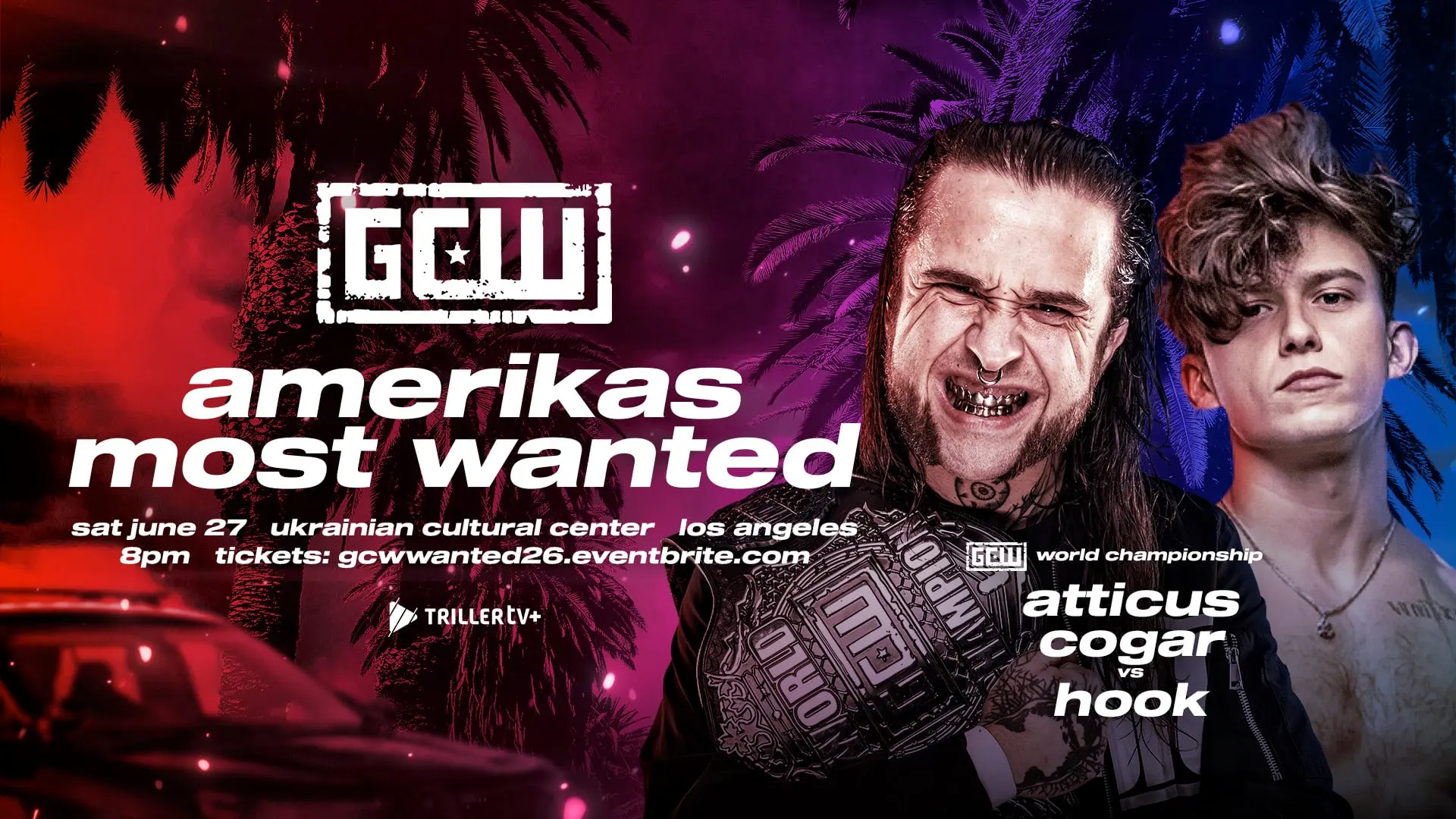
GCW Amerikas Most Wanted was a chaotic mess and we need to talk about HOOK
42 minutes ago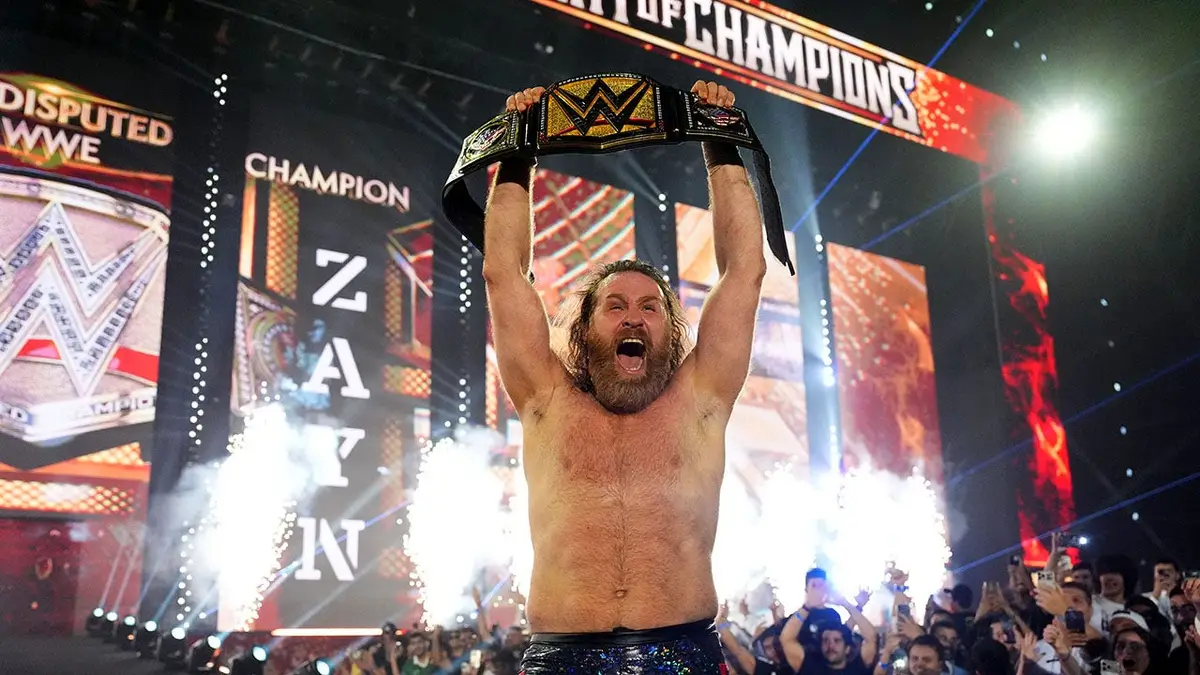
Cody, Gunther, and Sami Zayn are about to tear down the main event
43 minutes ago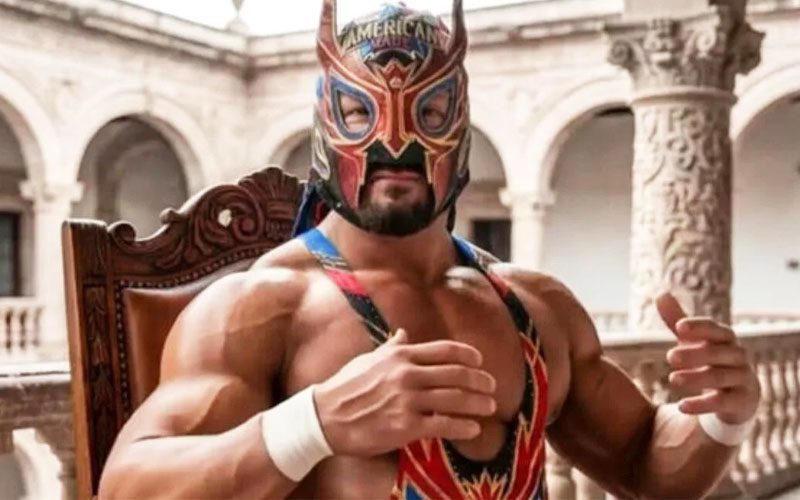
Chad Gable's shoulder injury was the best thing that ever happened to him
59 minutes ago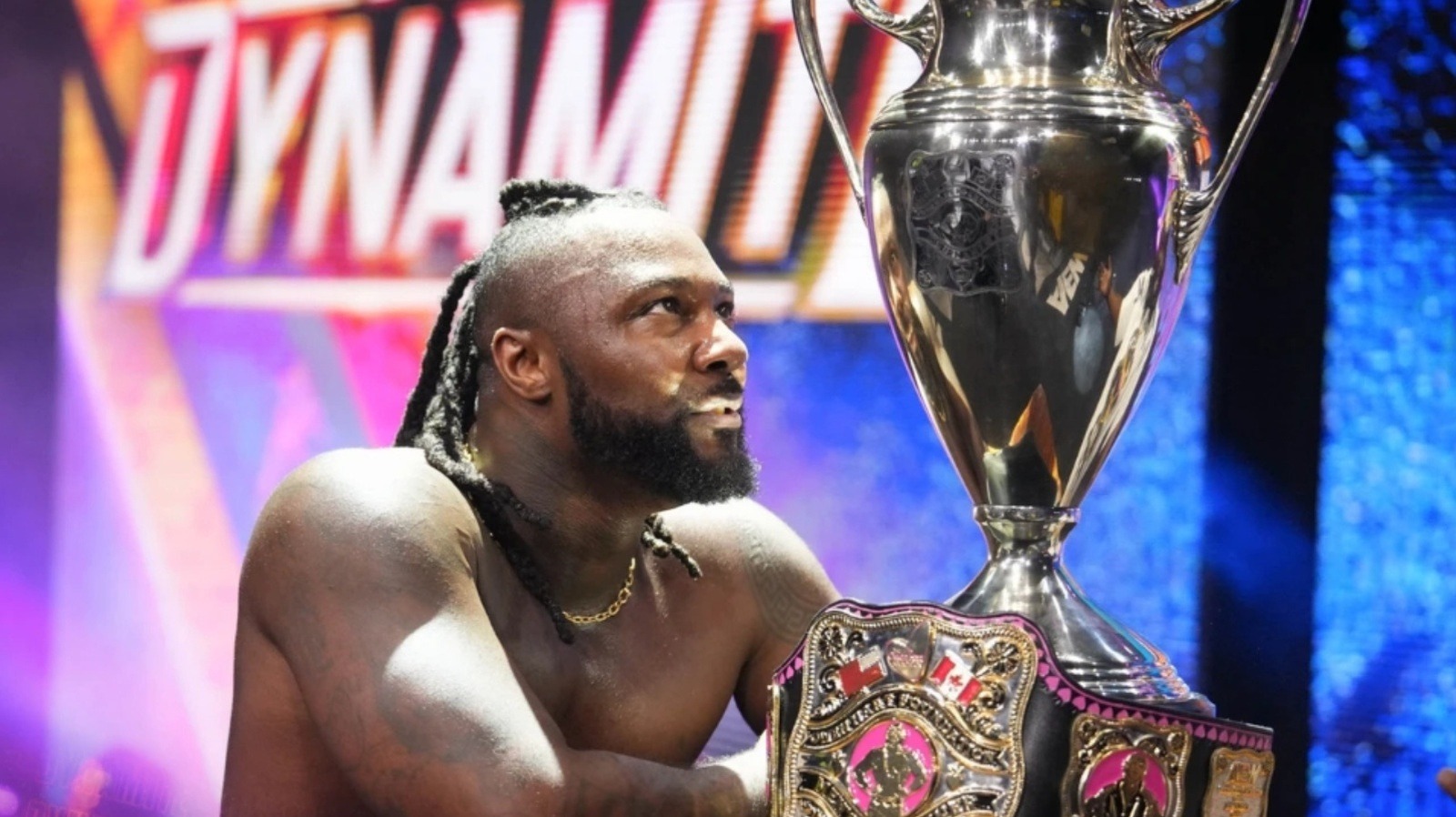
Why Swerve Strickland has Will Ospreay completely figured out
an hour ago
Apollo Crews is rumored to answer Mustafa Ali's Slammiversary open challenge
an hour ago