The Night the Revolution Died in a Rental Car
Pull up a barstool, grab a cold one, and let us get real about the wildest, most frustrating era of modern wrestling. If you think the WCW invasion in 2001 was the absolute peak of booking malpractice, you need a history lesson. The 2006 rebirth of Extreme Championship Wrestling was a trainwreck so spectacular it almost drove Paul Heyman out of the business forever.
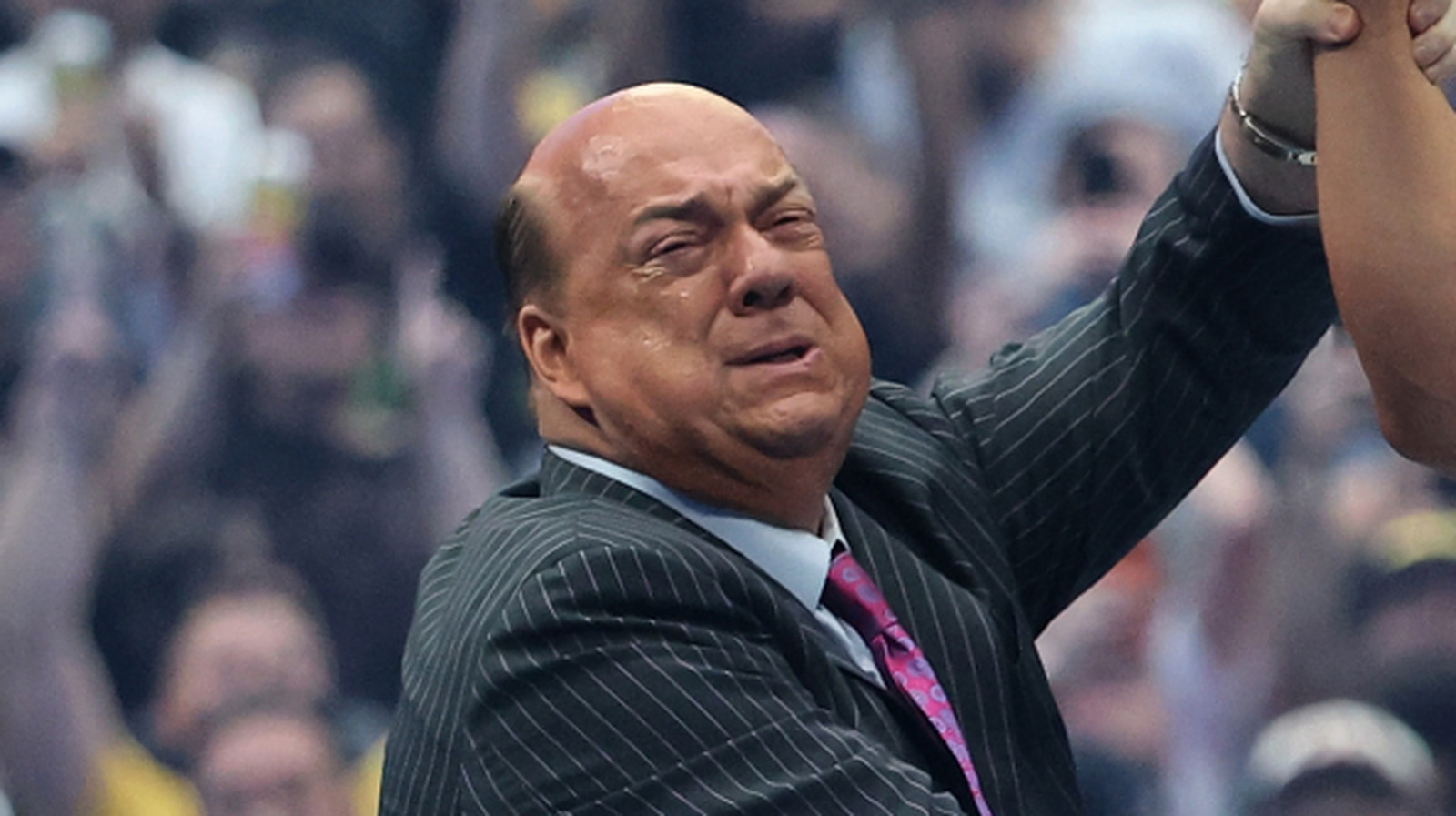
According to a report on Wrestling Inc, Heyman recently reflected on that dark time, calling it a miserable experience. He was ready to walk away from the wrestling industry entirely after Vince McMahon got done butchering his brainchild. And honestly, can you blame the guy?
Imagine creating a counter-culture revolution in the nineties, only to watch a billionaire turn it into a sterile weekly TV show featuring a guy dressed as a zombie. The tragedy of the ECW revival is that it started with so much promise. In 2005, WWE put on the first ECW One Night Stand pay-per-view, and it was a roaring success.
The atmosphere in the Hammerstein Ballroom was electric, the fans were ravenous, and the nostalgia was off the charts. The next year, WWE did it again, culminating in Rob Van Dam pinning John Cena for the WWE Championship on June 11, 2006. That match was pure magic.
Cena got booed out of the building, Edge interfered, and RVD hit the Five-Star Frog Splash to send the crowd into a state of absolute hysteria. It was the perfect launching pad for ECW as a weekly brand. Sci Fi network wanted a piece of the action, and WWE signed a deal to produce a weekly show.
But the wheels fell off before the first episode even aired. Heyman wanted the new ECW to remain an alternative, gritty product that highlighted young, hungry talent. Vince McMahon, however, wanted a typical WWE show wrapped in a black-and-purple brand identity. The clash was instant and brutal.
The Clash of Creative Visions
The first sign of trouble was the soundtrack. The original ECW ran on licensed grunge and metal music that defined the rebellion of the nineties. When the Sandman walked to the ring in the original run, he came out to Metallica, beer cans smashing against his forehead. In the WWE version, the licensing fees were too high, and the gritty, organic entrances were replaced by generic stock tracks.
Then came the booking decisions. Vince McMahon did not want to push ECW originals like Tommy Dreamer or Sabu to the top. He wanted to build the brand around giant monsters and corporate-friendly babyfaces. We got the debut of Kevin Thorn, a vampire character that felt like a cheap Halloween store reject.
And then there was the Zombie. On the very first episode of ECW on Sci Fi, a wrestler dressed as a zombie came out to the ring, groaning and acting like an extra from a B-movie. The Sandman beat him with a kendo stick in seconds. It was a comedy segment that instantly told the hardcore fanbase that this was not the ECW they loved.
It was Vince McMahon sending a clear message: your little indy revolution is a joke to me. That is the kind of creative contempt that ruins brands. It was a slap in the face to anyone who had bought a ticket to the ECW Arena in the nineties.
The Speeding Ticket That Ruined Everything
Let us talk about the real turning point that derailed the entire project. Rob Van Dam was the double champion, holding both the WWE and ECW titles to bridge the gap between hardcore and casual fans. Then, in July 2006, RVD and Sabu got pulled over by the Ohio Highway Patrol for speeding.
The police found marijuana and Vicodin in the rental car, forcing WWE to suspend their double champion. RVD dropped the WWE title to Edge on Raw and the ECW title to the Big Show the next night. Just like that, the brand went from a high-flying, counter-culture alternative to being headlined by a corporate giant.
The Reign of the Big Show
The Big Show was a great worker, but he was the antithesis of ECW. He defended the title in slow, methodical matches that bored the hardcore fans to tears with restholds and headlocks. The ratings started to slide, and the arena crowds grew quiet.
Vince McMahon used the show as a testing ground for Raw and SmackDown feuds, even bringing in D-Generation X to fight the Big Show. Bobby Lashley was imported to build his muscle-bound babyface resume. The original spirit of the promotion was completely snuffed out.
The Push for Bobby Lashley and CM Punk's Ascent
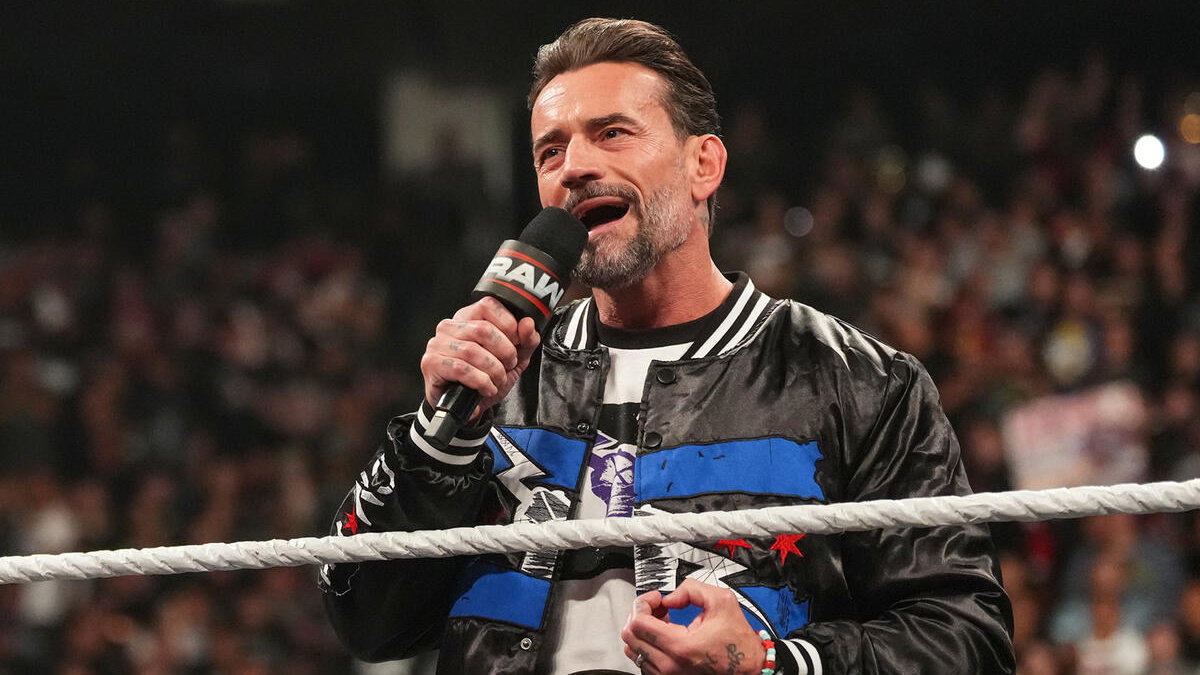
As the months rolled on, the tension between Heyman and McMahon reached a boiling point over CM Punk and Bobby Lashley. Punk was the darling of the indies, a straight-edge kid who could talk circles around anyone and was treated like a savior by the fans. He debuted by defeating Justin Credible with the Anaconda Vise, immediately capturing the arena's imagination.
Heyman wanted to run with Punk, highlighting his technical skill and raw charisma. Vince McMahon, on the other hand, had eyes for Bobby Lashley. Lashley had the look of an action figure, but he was green on the microphone and struggled to connect with the hardcore ECW audience.
Vince insisted on pushing Lashley as the brand's hero, a move that went against everything ECW stood for. The fans did not want another bodybuilder in trunks doing military presses instead of the gritty realism CM Punk represented. This classic clash of wrestling philosophies ended in total disaster.
The Ticking Time Bomb of Augusta Georgia
Everything came to a head at December to Dismember on December 3, 2006. The show is widely regarded as one of the worst pay-per-views in history, drawing just 4,800 fans to a half-empty arena in Augusta, Georgia. The backstage atmosphere was tense, and everyone knew a storm was coming.
The main event was an Extreme Elimination Chamber match for the ECW World Championship. Heyman wanted CM Punk to enter the chamber, eliminate the Big Show early, and establish himself as the next big star. He argued that having Punk tap out Big Show with the Anaconda Vise would create a new superstar overnight.
Vince McMahon rejected the idea and ordered CM Punk to be eliminated first, silencing the crowd and killing the match's momentum. Bobby Lashley went on to win the title, pinning the Big Show after a spear, to a chorus of boos. The fans did not cheer the new champion; they went home angry and disappointed.
The backstage atmosphere was toxic as Heyman and McMahon had a massive shouting match over the direction of the show. Heyman was sent home the next day and stripped of his creative duties. He was so burned out and disgusted by the corporate sabotage of his legacy that he truly believed his wrestling career was over.
The Aftermath and Paul Heyman's Exile
Looking back, the failure of WWE's ECW was a fundamental misunderstanding of what made the original promotion work. You cannot manufacture counter-culture in a corporate boardroom or sell rebellion when your parent company is publicly traded. The moment ECW became a corporate brand, it lost its soul.
To be fair, Heyman's vision was not without its own flaws since the original ECW was a financial disaster that went bankrupt for a reason. Relying solely on blood, guts, and niche appeal was never going to work on a major cable network in the mid-2000s. But Vince's solution—turning it into a watered-down third brand that felt like a developmental territory with a higher budget—was far worse.
It took Heyman nearly six years to return to WWE. When he finally came back in 2012 to stand alongside Brock Lesnar, he was a different man, operating as an on-screen manager rather than a backstage executive. The scars of 2006 ran deep, and it is a miracle he ever returned at all.
The ECW brand eventually limped on for a few more years, featuring talk shows like "The Abraham Washington Show" before being mercifully put out of its misery in 2010 to make way for NXT. It was a sad, quiet end to a name that once meant everything to wrestling fans. But for Heyman, the relief of being away from that creative graveyard was worth every lost opportunity.
The Fatal Mistakes of the ECW Revival
To understand exactly how this brand was run into the ground, we have to look at the specific decisions that alienated the core audience. It was not just one bad show; it was a series of systematic corporate choices. Here are the three decisions that sealed the brand's fate:
- The replacement of Sabu in the Extreme Elimination Chamber with Hardcore Holly, which killed the extreme pedigree of the main event.
- The insistence on pushing Bobby Lashley over CM Punk, ignoring the clear vocal preference of the live crowds.
- The introduction of goofy comedy characters like the Zombie, which made the brand look like a parody rather than an alternative.