The evolution of the advocate model
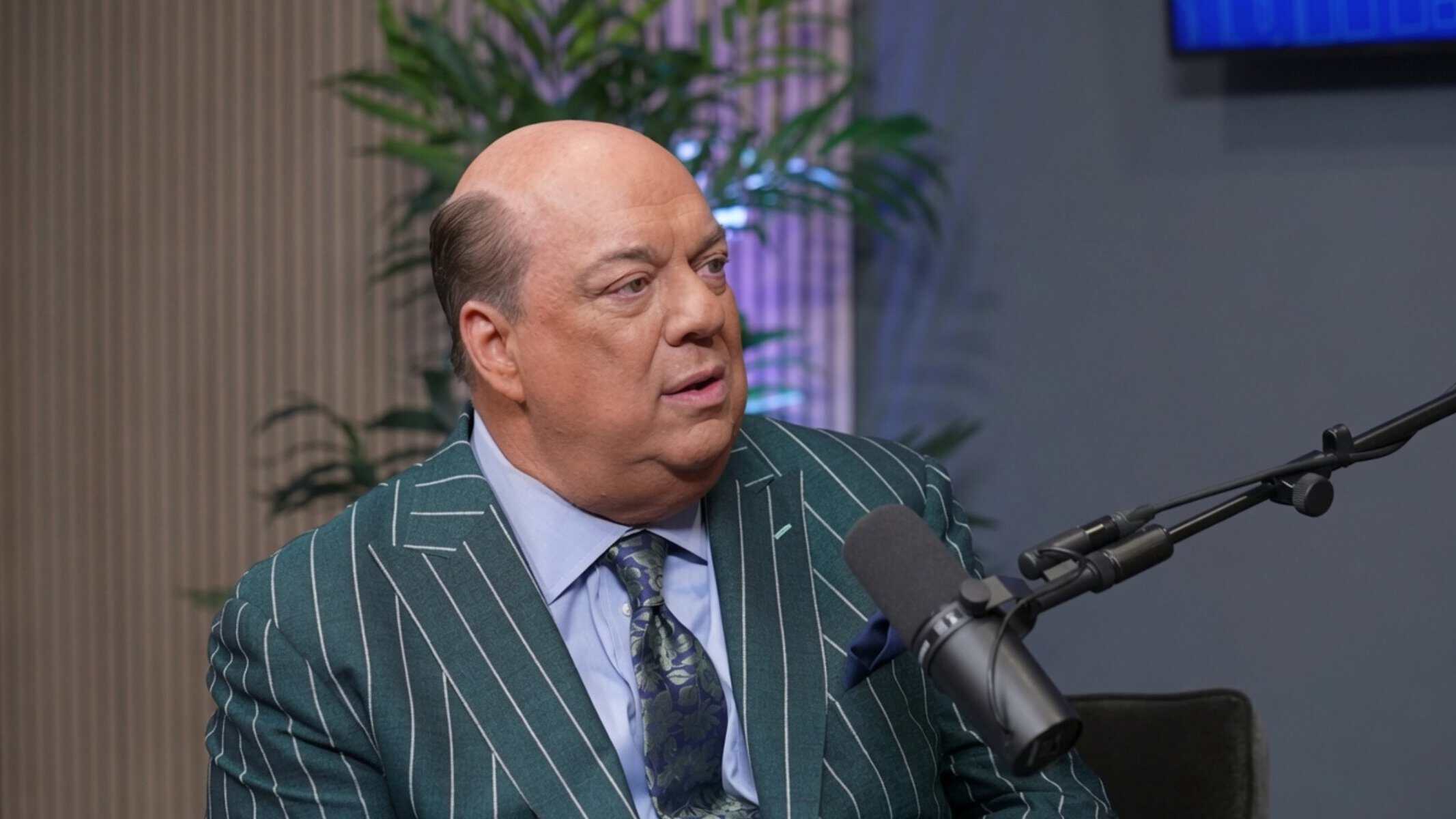
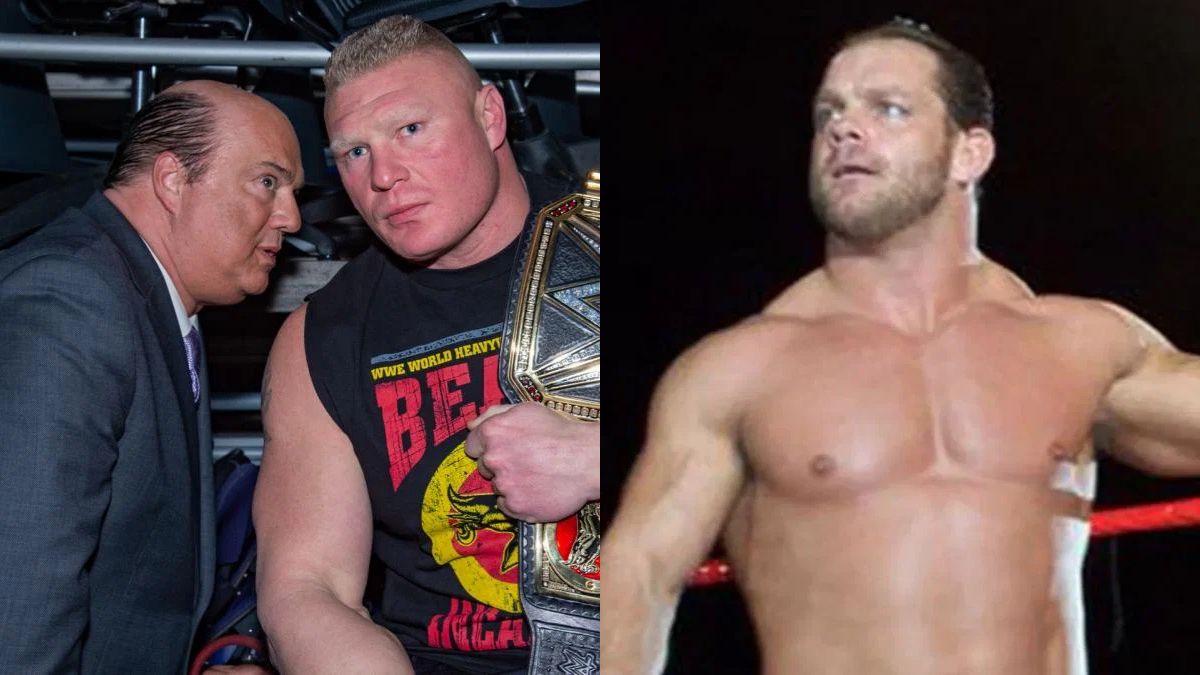
The modern wrestling manager has evolved from a megaphone-wielding distraction into a core narrative driver. Paul Heyman set the gold standard by aligning with Brock Lesnar in 2002. History confirms he was originally tapped for a different path entirely.
Reports indicate that Heyman was slotted to manage Chris Benoit upon his 2002 transition. That pairing never surfaced. WWE pivoted to Lesnar, a decision that fundamentally altered the trajectory of the heavyweight division for a decade. Looking back at recent reporting on the Heyman-Benoit dynamic, it highlights a recurring trend in booking.
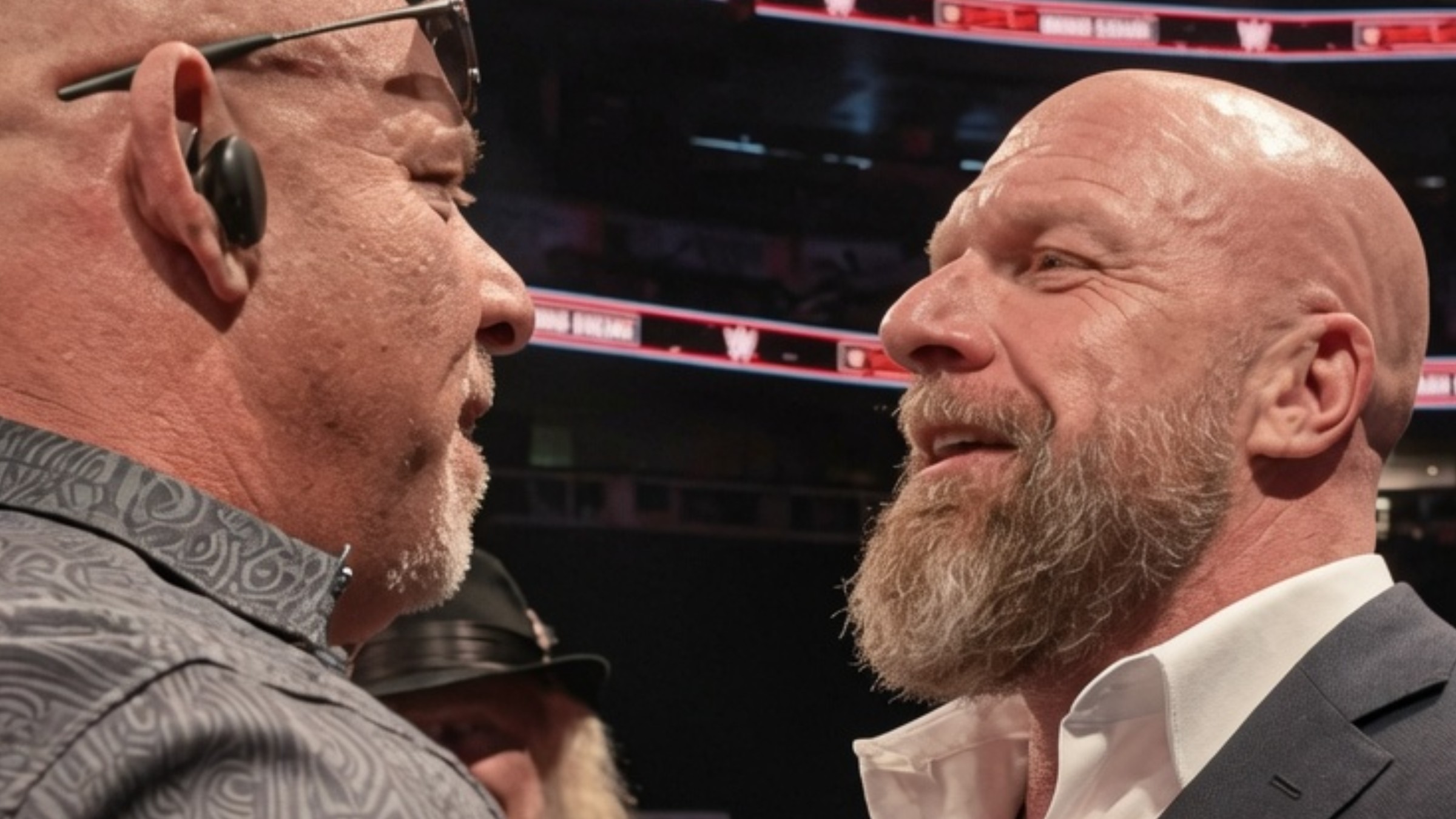
Promoters often test chemistry between veterans and rising technical stars behind the scenes before cameras even roll. When a manager like Heyman identifies potential in a prospect, the administrative machinery moves fast. It is no secret that the right mouthpiece can turn a mid-card workhorse into a main-event attraction overnight.
Tactical fits for current rosters
Managers are currently at a premium. WWE needs strong voices to elevate talent while the in-ring focus remains on high-speed strikes and complex reversals. We are looking at a cycle where established managers are being rotated to provide legitimacy to fresh faces.
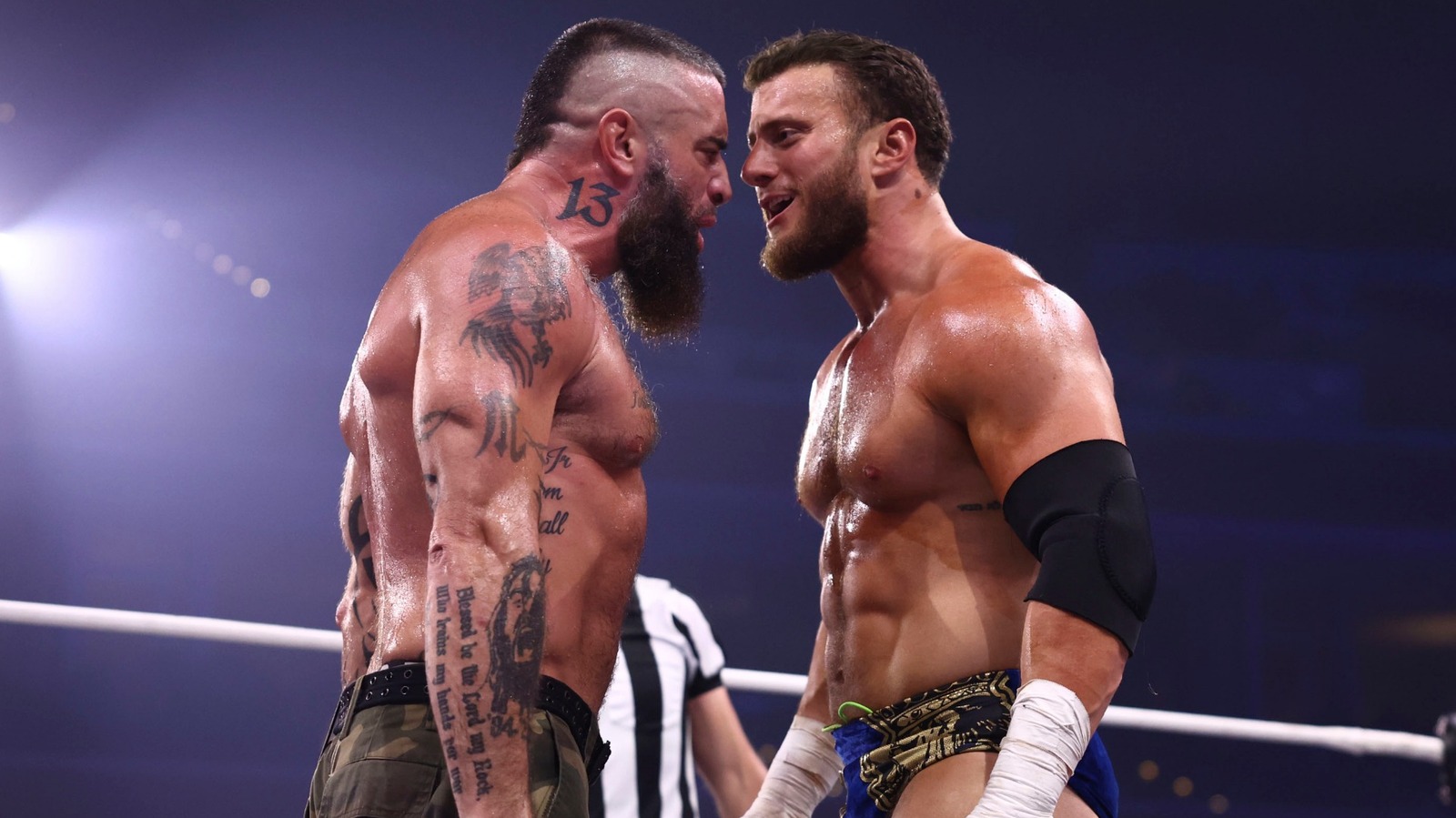
Consider the impact on a wrestler with a high technical floor but limited microphone charisma. Pairing them with a known quantity is the safest way to accelerate their push. The Heyman-Lesnar blueprint relied on the contrast between an aggressive, silent athlete and an articulate, hype-first representative. That dynamic is missing from several current programs.
Critical eyes must note that this strategy carries risks. If the manager overshadows the talent, the performer becomes nothing more than a prop. We have seen this happen when the creative team prioritizes the promo over the actual physicality of the match. A talent needs to finish a sequence with a decisive outcome, not just stand there while waiting for their manager to finish a monologue.
The scouting reports on pending associations
Sources are suggesting that creative is actively searching for the next 'advocate' style pairing for the summer circuit. The goal is to maximize airtime for talent returning from injury or those pivoting away from tag divisions. These pairings are rarely accidental; they are designed to bypass months of build time.
Expect to see testing ground matches on weekly house shows over the next 30 days. Creative directors use these untelevised segments to gauge fan reactions without risking main event ratings. If the interaction hits a specific frequency, the on-air commitment follows. The probability of new pairings appearing before the next major premium event is high.
We are watching for subtle shifts in ring walk-outs. If a technician suddenly walks out with a manager who was previously a free agent, the signal is clear. Look for managers who can handle the heavy lifting of narrative exposition during the mid-match lull. The pacing of a 20-minute main event depends on these types of character dynamics.
Performance potential and market reality
There is a segment of the current roster struggling to define their persona. These wrestlers are capable of delivering a high-quality 450 splash or a crisp double-underhook suplex but lack the magnetism to carry a segment alone. Management is reportedly frustrated with the lack of standalone promo growth in this demographic.
The solution is not more speaking lessons, but better insulation. An effective manager provides the umbrella under which the wrestler can simply perform. It turns a standard wrestling contest into a must-watch encounter because the *reason* for the fight is finally clear. This is a return to a more surgical style of booking.
However, we must remain skeptical of 'legacy' manager archetypes. A manager who relies on tired tropes or outdated 'interference' finishes will quickly lose the audience. Modern viewers want high-stakes matches where the manager adds depth, not a crutch that devalues the pinfall count. The first manager to successfully integrate into a high-octane 2026 style will define the next chapter of the company.
When the right talent meets the right voice, the audience count grows. This is exactly what WWE realized in 2002 after dismissing the Benoit plan. They needed someone who could stand alongside Lesnar and project sheer, unmatched dominance rather than just technical acumen. That is the lesson producers are applying today to every new development, trade, or call-up.