The quiet genius of disconnected composition
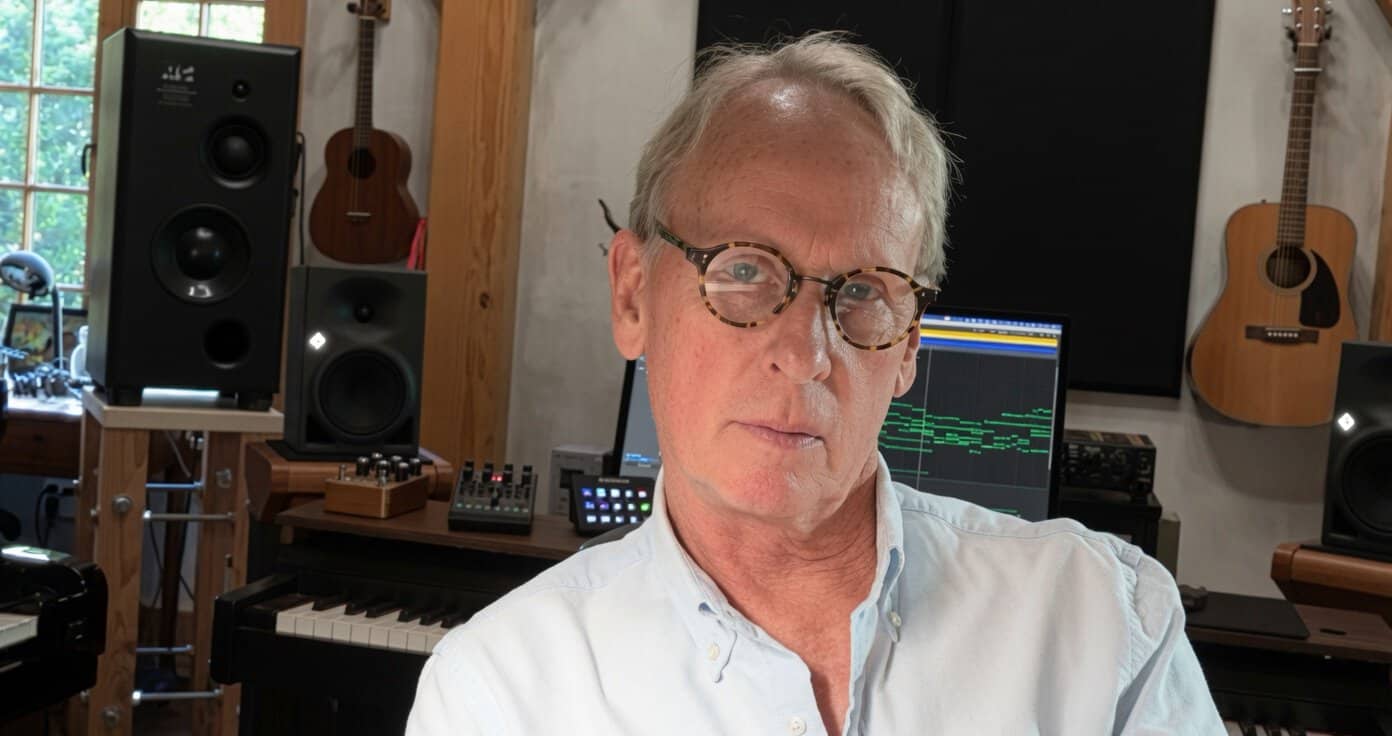
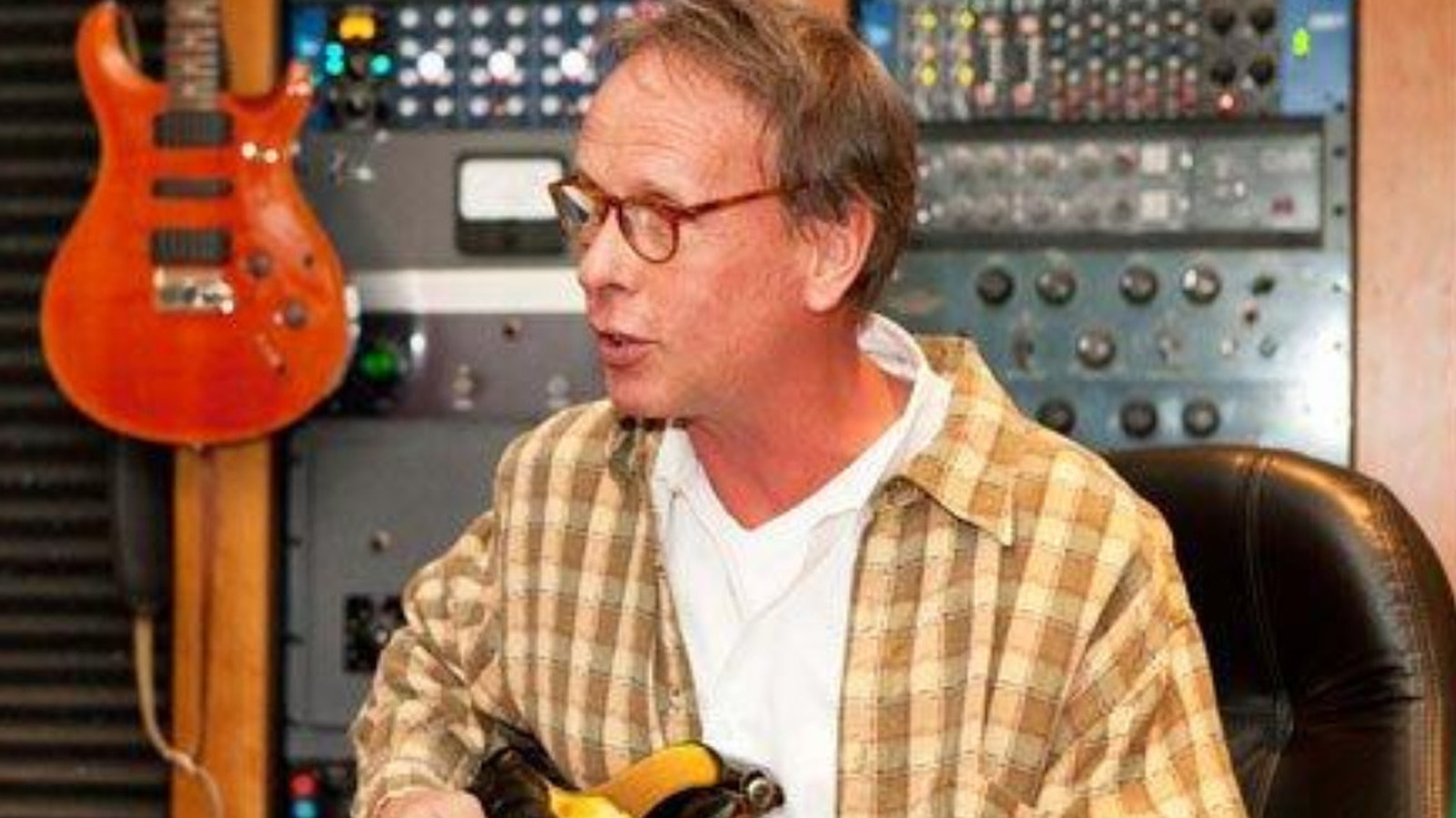
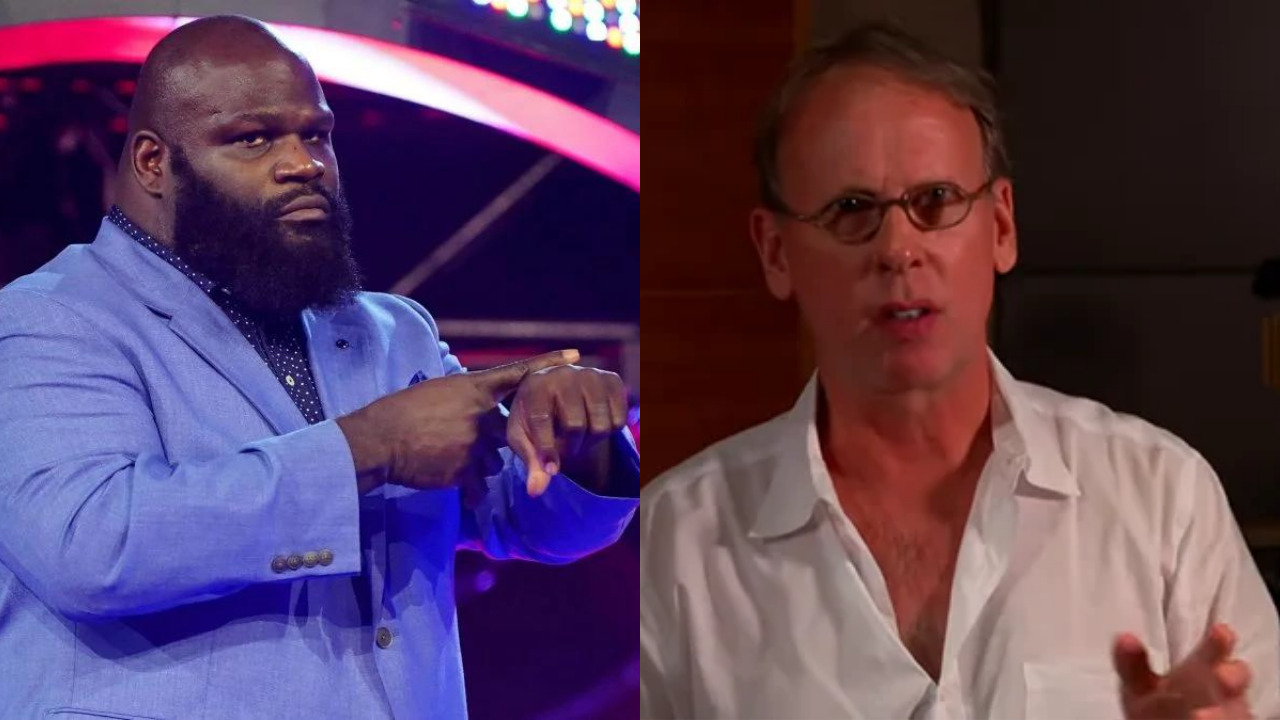
Jim Johnston remains the most significant sonic architect in professional wrestling, yet his methodology appears increasingly misunderstood in the modern era. In a recent breakdown regarding his tenure, Jim Johnston revealed why he purposefully avoided interacting with wrestlers during the creative process for their themes.
While contemporary production often relies on a collaborative feedback loop, Johnston argued that direct input from talent frequently dilutes the compositional clarity required for a character’s entrance. By distancing himself from the performer, he maintained a clinical, objective perspective on what a character needed to sound like to reach an audience of millions. He wasn't building playlists; he was crafting psychological triggers.
The statistical dip in modern entrance themes
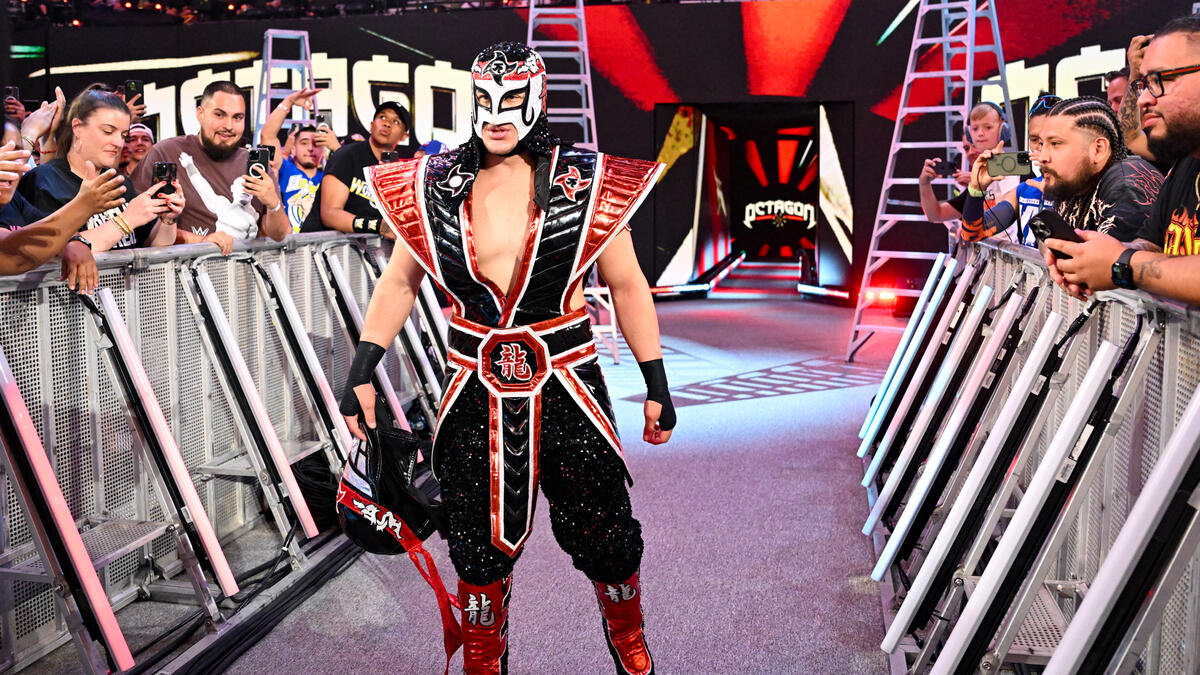
Observe the current roster and the discrepancy in memorability becomes clear. During the 1990s and 2000s, theme music functioned as an extension of the performer's narrative identity. A single note triggered a Pavlovian response in the arena. Today, we observe a higher frequency of generic, mid-tempo tracks that struggle to differentiate between a mid-card babyface and an upper-echelon heel.
Data analytics regarding crowd engagement show that themes with immediate, recognizable hooks—the kind Johnston mastered—correlate with higher reaction decibel levels. Modern tracks frequently suffer from a 30-second delay in establishing identity, forcing the audience to process the melody before they can fully invest in the character's arrival. This is a failure in structural pacing that would have been pruned early in the composition process under the old regime.
Where the creative process breaks down
The pivot toward external collaborations and focus-grouped musical stylings has stripped away the necessary tension between composer and subject. When a wrestler is permitted to influence the production of their own theme, personal bias invariably overrides the narrative requirement of the program. The resulting tracks are technically proficient but lack the visceral punch required to define a generational superstar.
We are witnessing a stagnation in character branding. Entrance music is the first 15 seconds of a wrestler's story, yet it is currently treated as an afterthought in the wider booking process. The absence of a central, detached creative authority means that themes now lack the specific sonic characterizations that kept crowd energy at a 90 percent peak during the Attitude and Ruthless Aggression eras.
Predicting the inevitable sonic overhaul
WWE must revert to a centralized, singular creative vision for its audio department if it wants to recapture the urgency of its peak years. Current trends indicate a move toward licensed music, which creates a messy, disjointed auditory profile across the broadcast. The company will eventually centralize production again, likely recruiting a lead composer who adopts Johnston’s isolationist philosophy.
Expect to see this transition begin within the next two fiscal quarters as the company realizes that brand recognition is being diluted by poor audio identity. My prediction is simple: the era of the 'wrestler-approved' theme is dying. The next major movement in WWE will be an aggressive streamlining of sound, re-establishing the theme as a singular narrative tool rather than a piece of personal marketing material for the talent. Until then, expect the mid-card entrances to continue feeling like background noise as we drift through these transitionary periods.