The 9:43 Sprint: WWE's Efficiency in Detroit
Exactly nine minutes and forty-three seconds: that is the entire duration of the high-stakes tag team match on the July 20 episode of WWE Monday Night RAW. In that short, frantic window, Austin Theory and Bron Breakker secured a decisive victory over Dragon Lee and Je’Von Evans. This television sprint, when contrasted with NJPW’s prestigious G1 Climax 36 tournament as it continued its grueling tour at Sendai Sun Plaza Hall, illustrates a fundamental divergence in match pacing, cardiovascular demand, and overall tactical execution.
On July 20, RAW made its latest stop on its new Netflix home at Detroit's Little Caesars Arena. The tag team match featuring The Vision against the high-flying babyface duo was a masterclass in compressed, modern television pacing. Theory and Breakker worked with a high-intensity offense designed to maximize their limited screen time before a national audience.
The tactical layout of the tag match was simple yet highly structured to highlight individual strengths. Theory initiated the early pressure, using his size advantage to cut off Dragon Lee's lateral movement before tagging in the explosive Bron Breakker. Evans attempted to counter Breakker's jaw-dropping velocity with quick aerial maneuvers, but the compact timeframe of the contest ultimately favored the heels' raw power.
The RAW bout also revealed the structural limitations of this television format where advertising demands dictate the match flow. A commercial break structure forced a heat segment that felt rushed, including a missed corner spear by Breakker that should have carried significant narrative weight in a longer bout. The finish came rapidly as Logan Paul's presence at ringside distracted the referee, allowing Theory to capitalize on the confusion.
The negative side of this rapid television booking is clear to any analyst watching with a notebook. When matches are compressed to fit tight broadcast windows, defensive selling becomes a secondary concern. Dragon Lee and Evans had to recover from major power moves in mere seconds to hit their next cue, which breaks the illusion of genuine physical struggle.
The Long-Distance Chess of G1 Climax 36
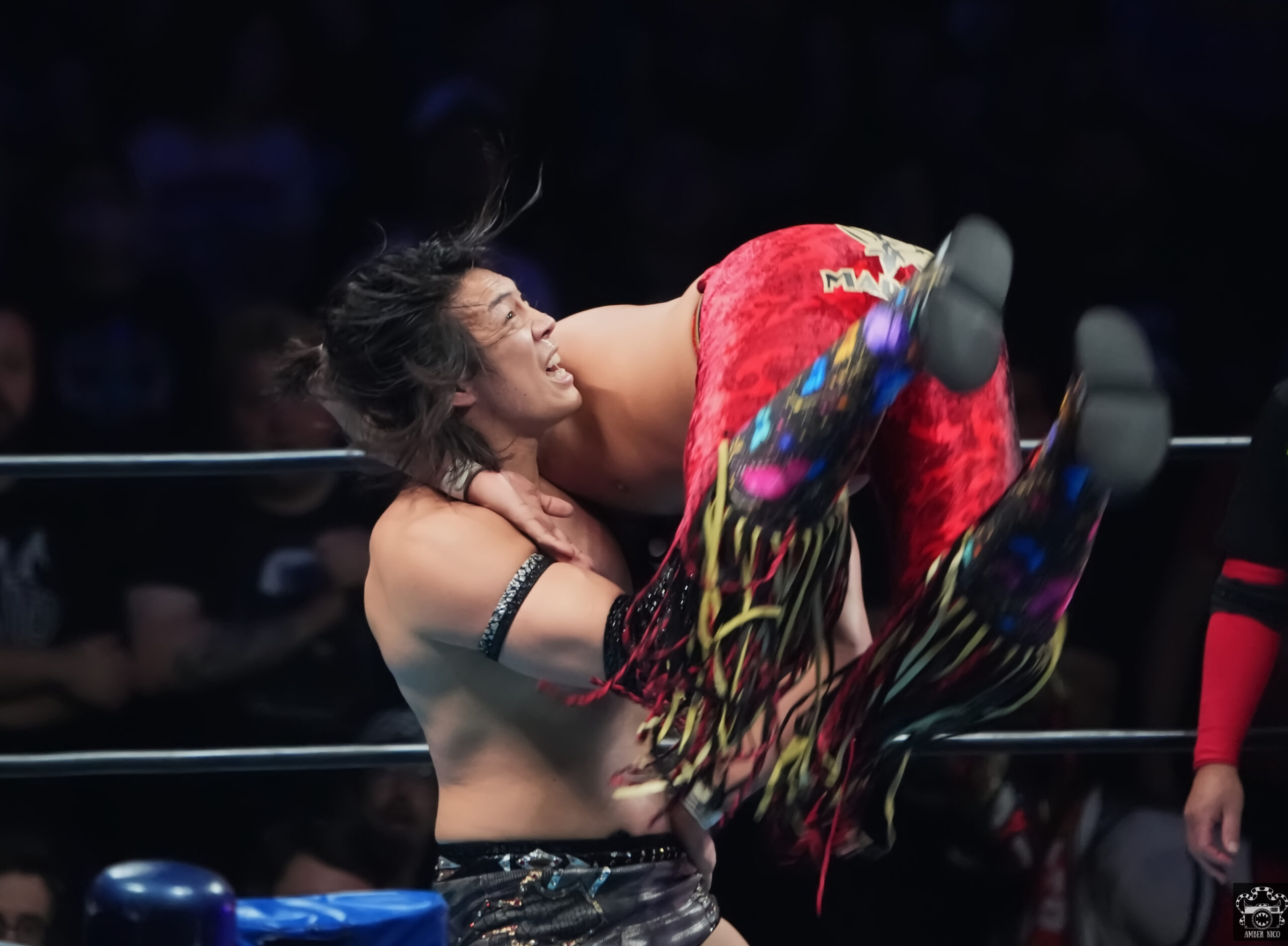
Contrast this television sprint with the opening stretch of NJPW's G1 Climax 36 tournament. The tournament began in Chicago at the NOW Arena in Chicago, where Yota Tsuji faced Konosuke Takeshita in a highly anticipated main event. Tsuji secured the hard-fought win, earning his first two points in a grueling match that went well past the fifteen-minute mark.
The physical demands of this tournament format are unmatched in the modern wrestling industry. After competing in Chicago, Tsuji, Takeshita, and the rest of the roster had to fly over 6,250 miles across the Pacific to prepare for Night 4 at Sendai Sun Plaza Hall. That brutal travel schedule directly impacts performance, as wrestlers cannot hide their fatigue when asked to work twenty-minute singles matches.
In Sendai, Tsuji faced SANADA in a block match that demanded a completely different tactical approach from his Chicago outing. Against Takeshita in Chicago, Tsuji had to match explosive power with power. Against SANADA, however, Tsuji had to navigate a defensive specialist who focuses on ground control, submission wrestling, and neutralizing his opponent's speed.
The match in Sendai was a slower, more deliberate affair that highlighted SANADA's tactical intelligence. SANADA systematically targeted Tsuji's neck and shoulders, attempting to neutralize the threat of the devastating Gene Blast spear. Tsuji had to adapt by using short-arm clotheslines and quick ground transitions to survive the tournament block and keep his lead.
On the same Sendai card, Jake Lee faced Hirooki Goto, which offered another fascinating study in stylistic contrast. Lee's transition to the NJPW structure has been met with mixed reviews due to his deliberate, almost sluggish pacing during tournament matches. Against a veteran like Goto, who excels in high-friction, physical exchanges, Lee's defensive lapses were exposed early when he failed to cut off Goto's signature Ushigoroshi.
Similarly, Oleg Bolt's clash with Shingo Takagi showcased the brutal learning curve for the tournament's rising powerhouses. Takagi, a former IWGP World Heavyweight Champion, operates at a high tempo even in the middle of a grueling summer tour. Bolt's raw strength was impressive, but Takagi's veteran ability to transition from a defensive posture into a snap Pumping Bomber at the twelve-minute mark proved to be the difference.
The Takeshita Pacing Conundrum
Konosuke Takeshita's trajectory in this tournament is particularly interesting to track from a statistical standpoint. After dropping his opening match to Tsuji in Chicago, Takeshita faced Yuto-Ice on Night 4 in Sendai. The contrast in Takeshita's physical output and offensive frequency between these two matches was noticeable to anyone charting the action.
This sudden drop-off in speed is a direct result of the travel and scheduling demands. Takeshita's explosive style relies on high-energy bursts, which are difficult to maintain when crossing multiple time zones in a matter of days. In Sendai, his movements were visibly heavier, his footwork was more deliberate, and his strikes were far more measured.
The statistics from his match on Night 4 show a significant reduction in high-impact aerial maneuvers like the senton con hilo. Instead, Takeshita relied on his power game, using vertical suplexes and throat chops to keep his opponent grounded. This tactical pivot was necessary for long-term tournament survival, even if it made for a less dynamic match.
The Numbers Behind the Styles
To understand the difference between these two products, we must look at the rate of offensive maneuvers. In the WWE tag match in Detroit, the four competitors executed a combined total of twenty-four distinct offensive moves in a total match time of 9:43. That is an average of 2.47 moves per minute, showing a relentless pace.
In contrast, the main event matches in the G1 Climax average roughly 1.2 moves per minute. The time between moves is spent selling the physical impact, repositioning in the ring, and building psychological tension. This slower rate allows a strike to the back in the tenth minute of a G1 match to have a visible, compounding impact on a wrestler's movement in the twentieth minute.
The G1 Climax also introduces the fascinating element of tournament mathematics. In a single match on RAW, the win or loss has immediate narrative consequences but rarely impacts the long-term physical standing of the competitors. In the G1, every match is part of a larger points race where accumulated damage, travel exhaustion, and block standings play a decisive role.
In the G1 Climax, ringside interference is extremely rare, especially in the block main events. The matches are presented as pure athletic contests, called by commentators like Walker Stewart and Henare with a focus on technique, positioning, and stamina. When Yota Tsuji defeats an opponent, he does so because his strategy was superior rather than relying on ringside distractions to protect his opponent.
Ultimately, the two styles serve different audiences and different purposes. WWE's Netflix era is built on high-speed entertainment designed to capture short attention spans with constant motion. The matches are fast, clean, and highly produced, but they lack the psychological depth and physical stakes of NJPW's flagship tournament.
The G1 Climax 36 remains the ultimate test in professional wrestling. The combination of intense travel, diverse opponents, and long matches creates a product that is physically demanding for the performers and intellectually rewarding for the fans. While WWE wins the battle of production and immediate star power, NJPW wins the battle of athletic storytelling.