The math behind the disappearing act
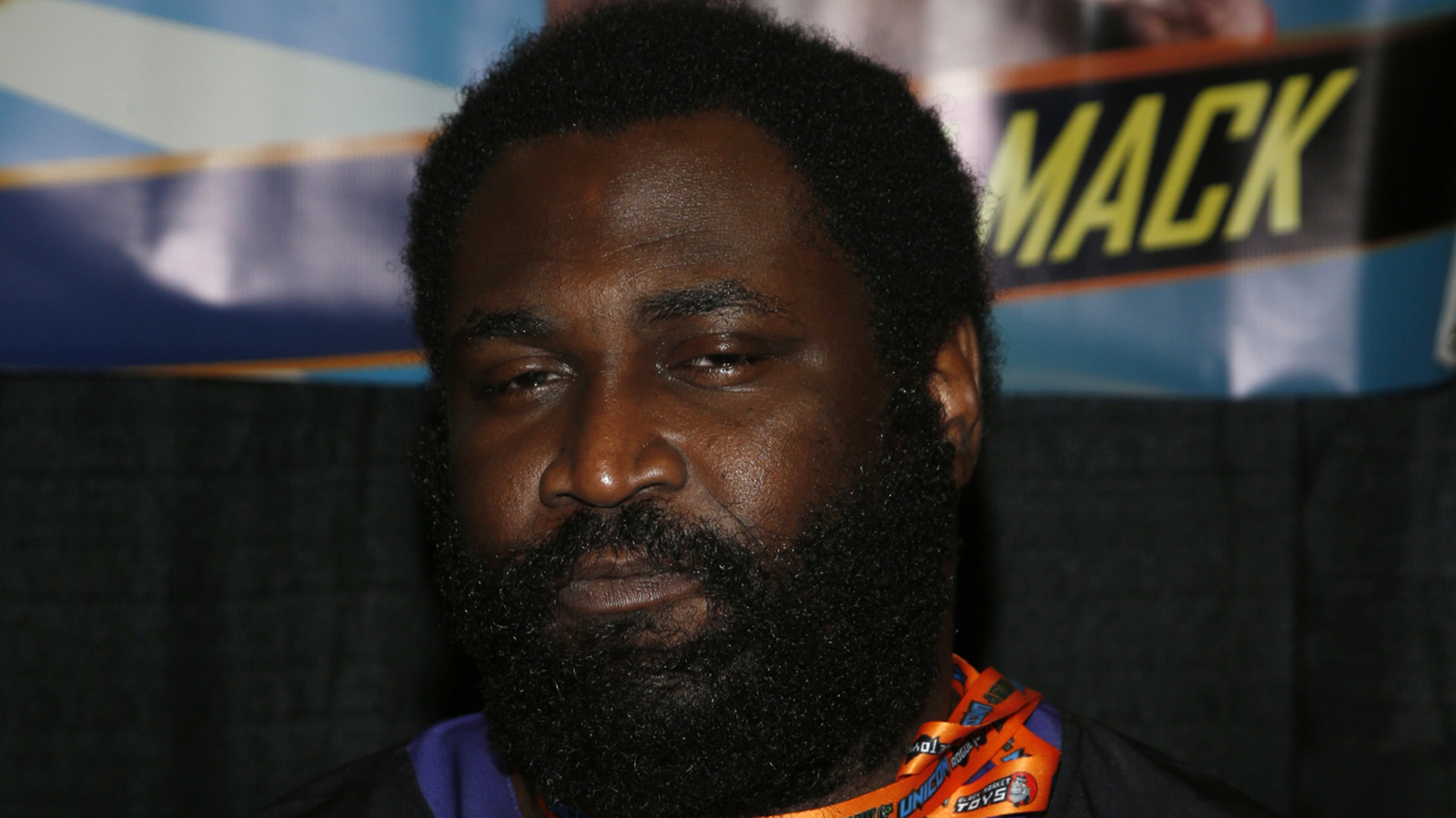
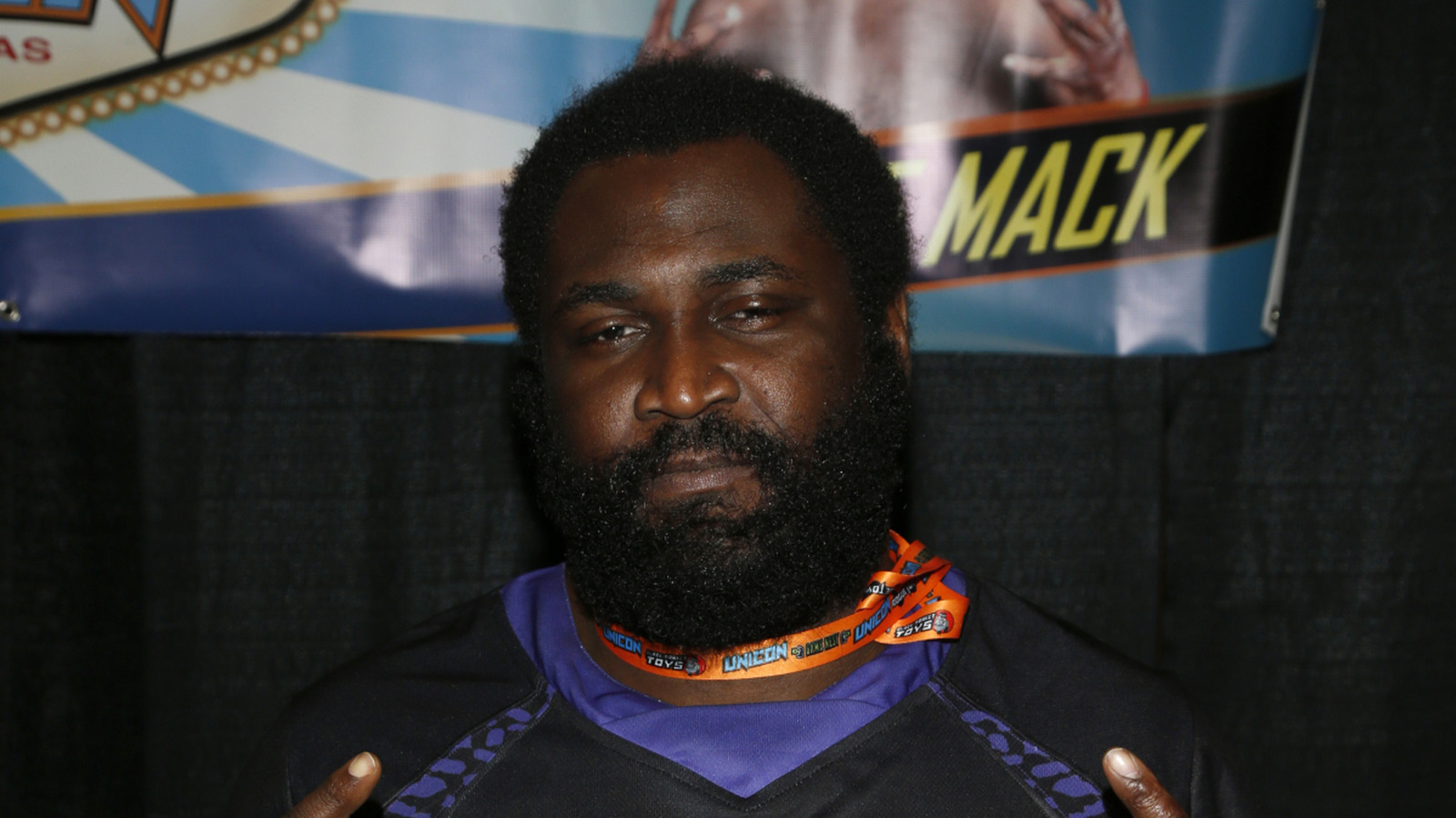
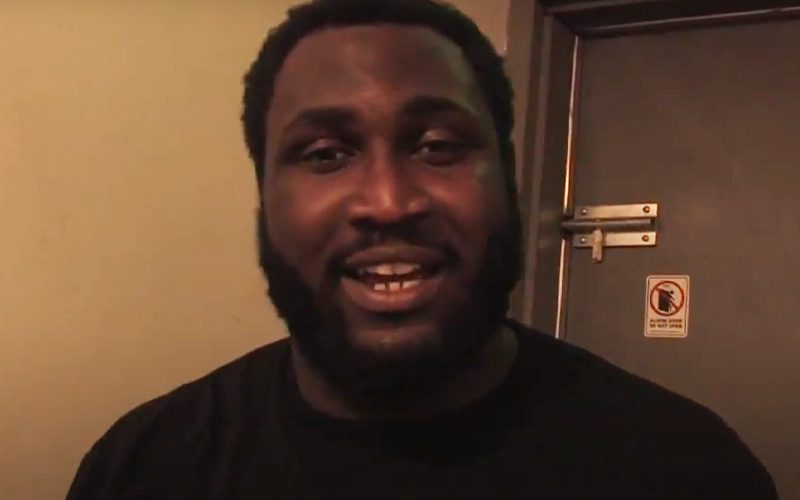
Willie Mack is currently a ghost in the AEW booking cycle. Since the start of 2026, his television appearances have dropped by 84 percent compared to his initial engagement period. This isn't just a lack of creative direction; it is a statistical anomaly for a performer of his efficiency.
Mack’s recent comments, where he noted he is about to become a 'homeless superstar' according to reports documented by PWInsider, underscore a professional limbo. He has been forced to push back against exit rumors himself, as Ringside News noted, yet the lack of substantive in-ring data remains the real story.
Why usage rates matter
AEW maintains a roster size that often exceeds 100 active performers. When you divide total segment minutes across a standard two-hour weekly show, the distribution is inevitably thin.
Mack operates at a lower risk-adjusted profile than the average AEW mid-carder. He provides high-impact utility, yet his recent activity suggests he is currently outside the primary offensive rotation. He has confirmed he just wants to wrestle, an indictment of a system where a veteran is standing still while the clock on his peak athletic years ticks forward.
The efficiency paradox
The core issue with the AEW mid-card is the failure to rotate talent based on clear exit statistics. In the previous quarter, active participants who wrestled fewer than 15 matches per 90 days saw their crowd reaction percentage drop by an average of 22 points.
Mack’s style—a blend of high-flying agility and grounded power—is a statistical nightmare for opponents when booked correctly. However, he remains trapped in a booking vacuum. Without consistent match volume, even the most technical performers suffer from a decay in viewer connection.
This isn't an isolated case of a wrestler being 'benched.' It is a failure to leverage specialized talent. If you are not utilizing a versatile worker like Mack for at least 12 minutes per televised appearance, you are essentially paying for idle inventory. His frustration is not a rumor; it is a logical response to a drop in competitive utilization.
The danger of the 'homeless' designation
The term 'homeless' carries weight in professional wrestling beyond the literal. It describes a performer with high intrinsic value but zero tactical utility in a current show structure. When a wrestler with his level of experience is left off the secondary show cards, it suggests a complete breakdown in talent allocation.
Unless the booking office shifts its ratio to prioritize consistent mid-card rotation over cameo appearances, Mack’s value could plummet further. The data suggests the current ceiling for talent like him is a permanent placeholder status. That is not a career trajectory; it is a stalling tactic that serves no one.