Why the internet is currently losing its mind over ReelShort
Pull up a chair and keep your drink handy, because the wrestling world has officially lost its damn mind since the July 14, 2026 announcement. WWE is diving headfirst into the vertical video abyss with a microdrama series on the ReelShort app. For the uninitiated, this is basically the cinematic equivalent of doom-scrolling, featuring snappy, frantic storytelling designed for people with the attention span of a goldfish on espresso.
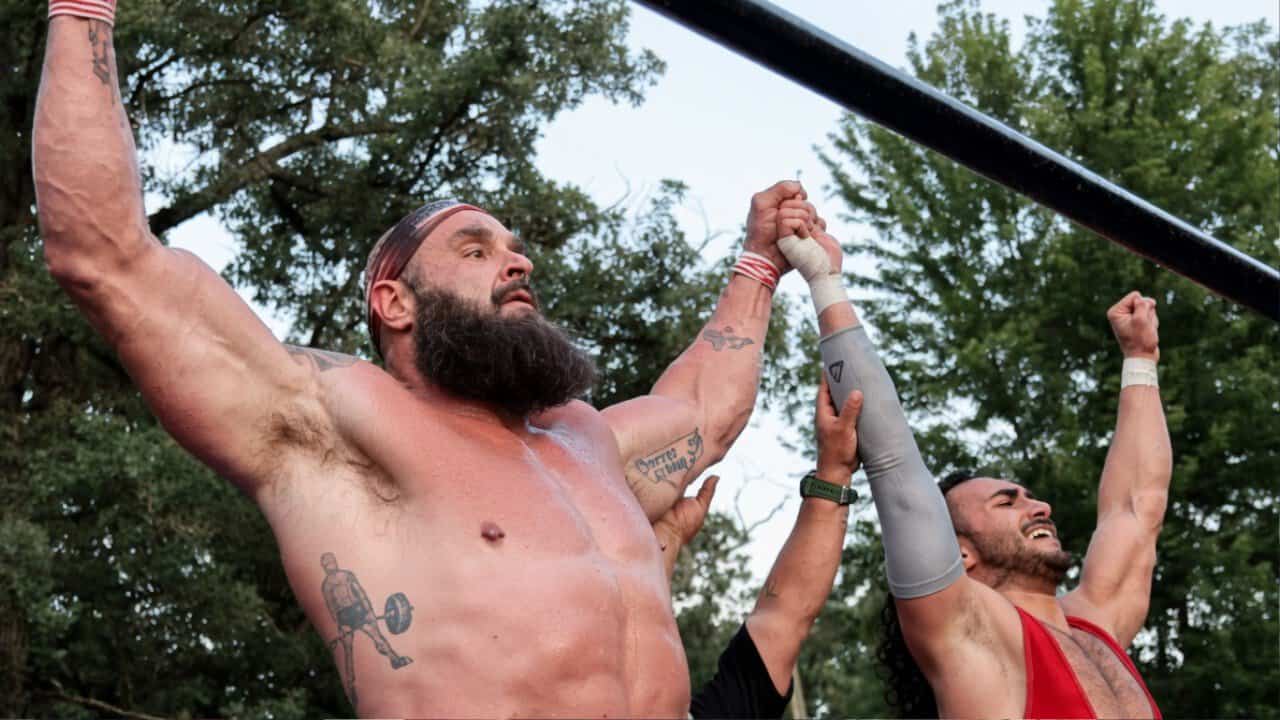
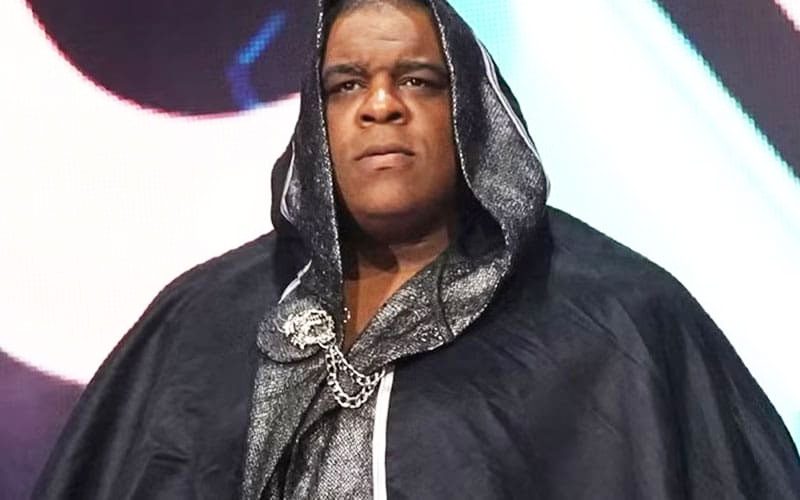
The announcement confirms that WWE is going to push stars like Drew McIntyre, Joe Hendry, and Jacob Fatu into these hyper-compressed soap operas. The community reaction has been anything but unified. Some fans are acting like this is the death knell of serious sports entertainment, while others think it is a stroke of pure, unhinged genius. It is the kind of move that either reaches a million new eyeballs or leaves us with content so cringe-worthy we'll be deleting our browsing history to forget it ever happened.
The skeptics are sharpening their pitchforks
If you head over to the forums today, you will find a massive contingent of fans who are convinced this is the end of high-concept wrestling storytelling. These folks argue that the product is already struggling to maintain a coherent narrative over three hours of programming. Adding sixty-second clips of Drew McIntyre acting out a melodrama feels like a step backward into the dark ages of creative direction.
One frequent commenter noted that if the company wanted to expand their reach, they should focus on refining the main program rather than watering down their roster for mobile apps that mostly host trashy reality tropes. There is a genuine fear that these segments will end up looking like cheap parodies, completely lacking the grit and stakes of a real feud. Imagine Jacob Fatu delivering a dramatic monologue designed for a five-inch screen — it sounds like a logistical nightmare for the production team.
The contrarians are just here for the chaos
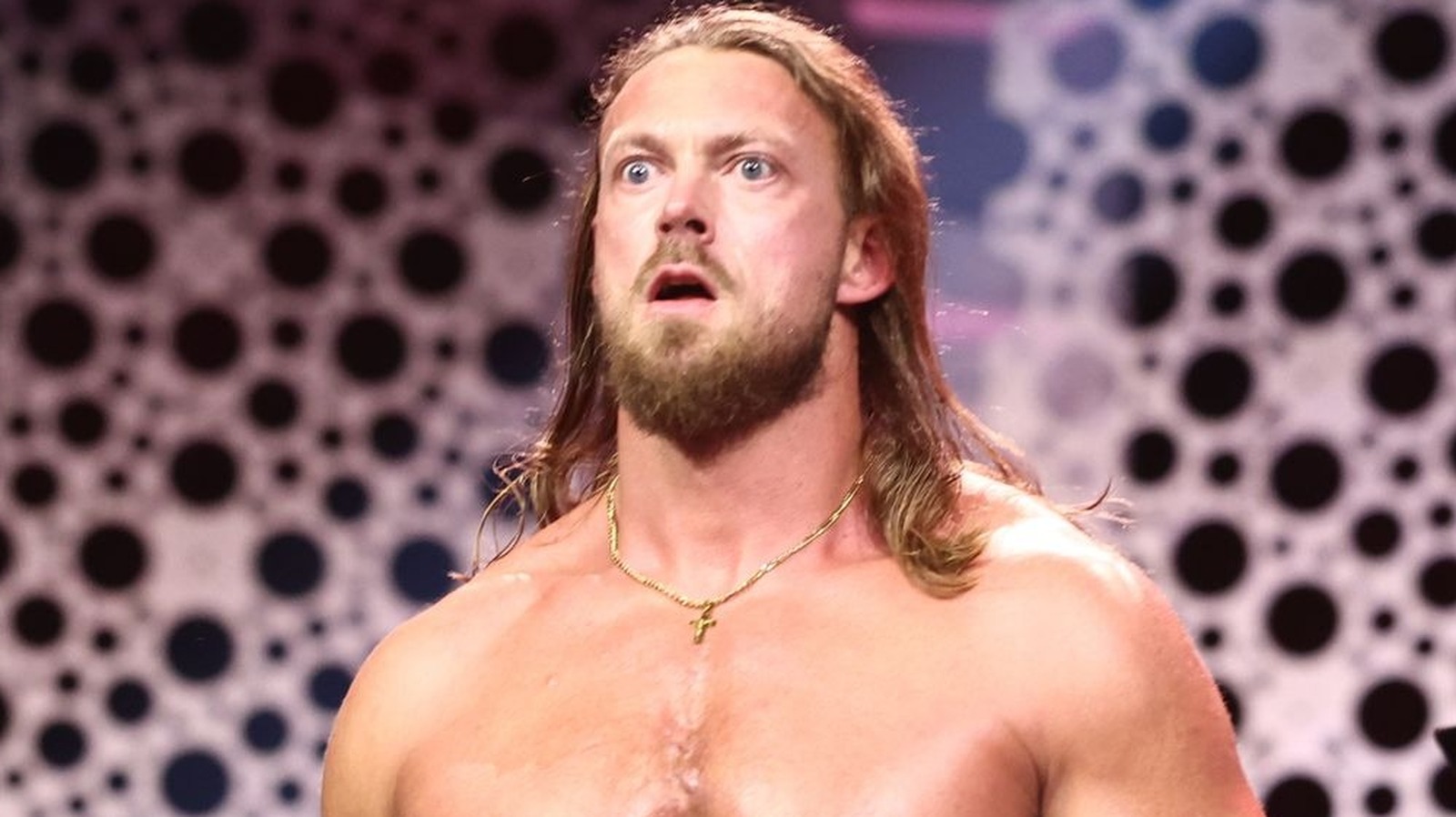
On the other side of the fence, you have the chaotic energy crowd. These fans are absolutely thriving on the ridiculousness of the concept. They love the idea of Joe Hendry doing literally anything, and frankly, who can blame them? If the man can get over by just appearing on everyone’s television, why not stick him in a vertical video about a suburban murder mystery or a secret inheritance battle?
Some contrarians are pointing out that the audience has already been conditioned by TikTok and YouTube Shorts to consume content in this fragmented style. They argue that if you aren't adapting, you are dying. This crowd thinks the recent podcast discussions featuring high-profile names are fine for the die-hards, but that apps like ReelShort are where the actual casual viewer lives and breathes. It is a bold, albeit bizarre, pivot toward a demographic that doesn't care about the history of the sport.
Who actually has the better argument?
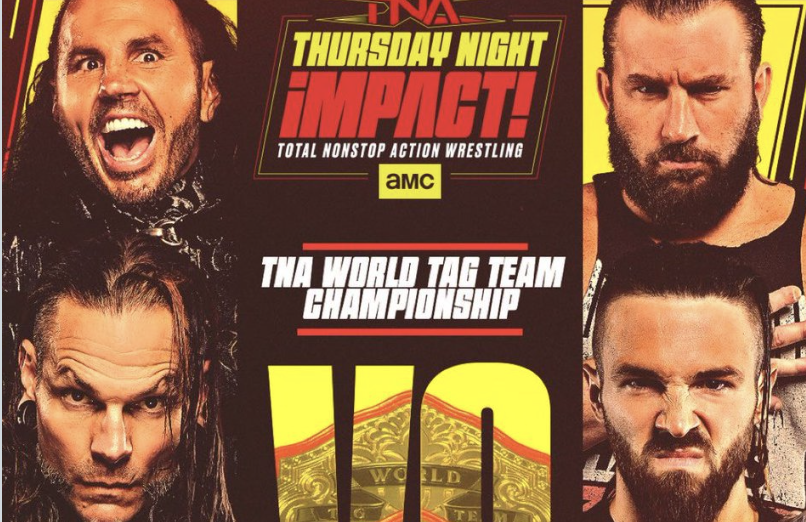
Reflecting on the wide range of content currently hitting the network, the skeptics probably have the stronger logical footing. WWE works best when it builds tension over months, not seconds. Think about a high-stakes encounter, like a tag team title defense that ends in a DQ finish after 25 minutes of back-and-forth action. You cannot translate that level of physical storytelling into a mobile app microdrama without losing the soul of the sport.
However, we have to acknowledge the failure of traditional booking when it comes to attracting new, younger viewers who have never seen a pay-per-view. The company is desperate for engagement. If they can capture even 1 percent of the ReelShort user base, they win. I might hate the idea of seeing my favorite wrestlers act out scripted nonsense, but from a purely mercantile perspective, this is a calculated test designed to see if the brand can survive outside of the ring.
The reality of the production hurdle
Beyond the creative debates, let’s be real about the technical production issues. We are talking about a company that prides itself on high-def spectacle being squeezed into a frame designed for static shots and quick cuts. If they handle this poorly, it will look like a low-budget fan edit produced in someone's basement. The risk of diluting the aura of these performers is high.
We have seen experimental formats before, and they usually fall flat because the talent doesn't quite know how to transition between sports and screen acting. Unless they hire actual directors who understand the platform, this could get ugly fast. I am rooting for it to succeed because the alternative—everyone doing the exact same thing for the next twenty years—is even worse. Just don't blame me when you find yourself watching more clips and less matches.