Visa backlogs threaten WWE live event operations
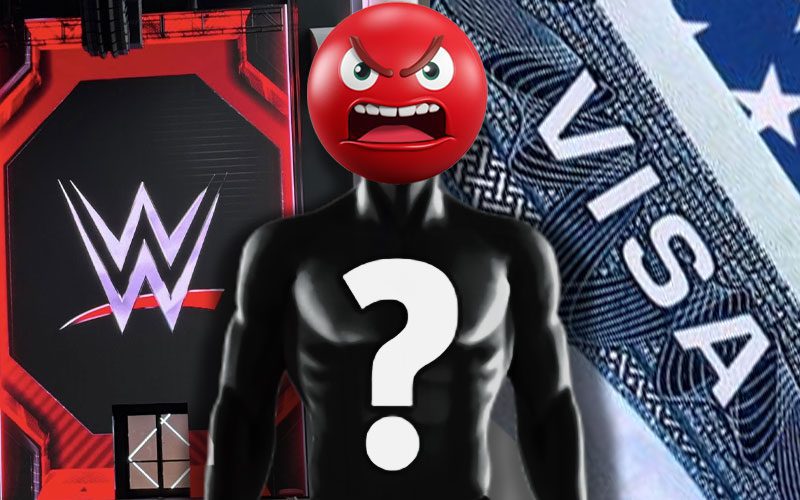
WWE is currently navigating a logistical bottleneck that has nothing to do with creative direction or brand warfare. According to reports from the Wrestling Observer, the company is mired in significant visa issues affecting multiple members of the international roster. This situation forces unpredictable adjustments to travel schedules and talent availability for upcoming tour dates.
As Ringside News reported, the complications involve talent attempting to secure or renew working visas required to perform within the United States. These bureaucratic hurdles result in wrestlers being sidelined, missing scheduled loop dates, or facing abrupt changes to their travel itinerary. Such instability compromises the consistency of television tapings and house show cards.
The operational impact on WWE booking
Management now faces the challenge of re-writing cards on short notice because athletes cannot cross borders. When a wrestler is pulled from a live event due to documentation failures, the ripple effect triggers a cascade of necessary changes. Booking teams must pivot mid-week to cover voids in tag team matches or tournament brackets.
This is not a new sensation for global entertainment entities, but the volume of the current issue suggests a tightening of standard administrative scrutiny. It places an immense strain on the production office. Every hour spent managing immigration paperwork is an hour lost on refining segments for Raw or SmackDown.
WWE may have a new problem on its hands, and it has nothing to do with storylines.
The sentiment from industry insiders suggests that this represents a genuine operational crisis rather than a routine hurdle. If key international talent remains trapped outside of the domestic touring circuit, the creative team loses the ability to build long-term momentum. You cannot foster a feud if the participants cannot appear in the arena for three consecutive weeks.
Historical context of international labor mobility
Wrestling promotions have long struggled with the volatility of government immigration policies. In the past, companies could often rely on expedited processes or temporary status filings to keep shows running without interruption. Those days appear to be dwindling as departments of labor tighten enforcement on P-1 visas and O-1 talent exceptions.
Sources indicate the company is dedicating additional legal resources to the situation. However, money cannot buy speed when government agencies are backlogged. The frustration is clearly visible behind the scenes where plans for the summer schedule were predicated on the full health and availability of the entire roster.
Why this matters for the bottom line
Ticket holders expect top-tier stars to appear at shows. When a talent is pulled due to a visa complication, local promoters and the main company risk alienating a fanbase that paid for a specific lineup. Consistency is the primary product WWE sells. When the product is compromised by office errors rather than ring work, the trust between the promoter and the audience erodes.
There is also the matter of lost competitive positioning. With rivals like AEW and other independent promotions vying for eyeballs, any inability to feature premier international attractions hurts market share. While the company remains a juggernaut in the business, these administrative failures are unforced errors in a cutthroat environment.
The scheduling team has been forced to rely on domestic-based talent heavier than intended. Relying on the same rotation of workers increases the risk of fatigue and injury. If the visa office doesn't clear the backlog soon, the current roster depth will be tested far more severely than management anticipated when setting the post-WrestleMania trajectory.
It is a stark reminder that the industry relies on a global, mobile workforce. When legal barriers arise, the spectacle stops. Everyone from the creative lead to the touring agent is currently waiting on government stamps to salvage the summer tour. The reality remains that, until these papers clear, the current product is essentially unfinished work.
Looking ahead, the company must likely restructure how it approaches talent recruitment from abroad. Investing in a more proactive, early-stage legal strategy for new signings might be the only way to insulate the booking process from future government delays. For now, it is a waiting game that currently favors nobody on the roster.