The shift toward established tag team units
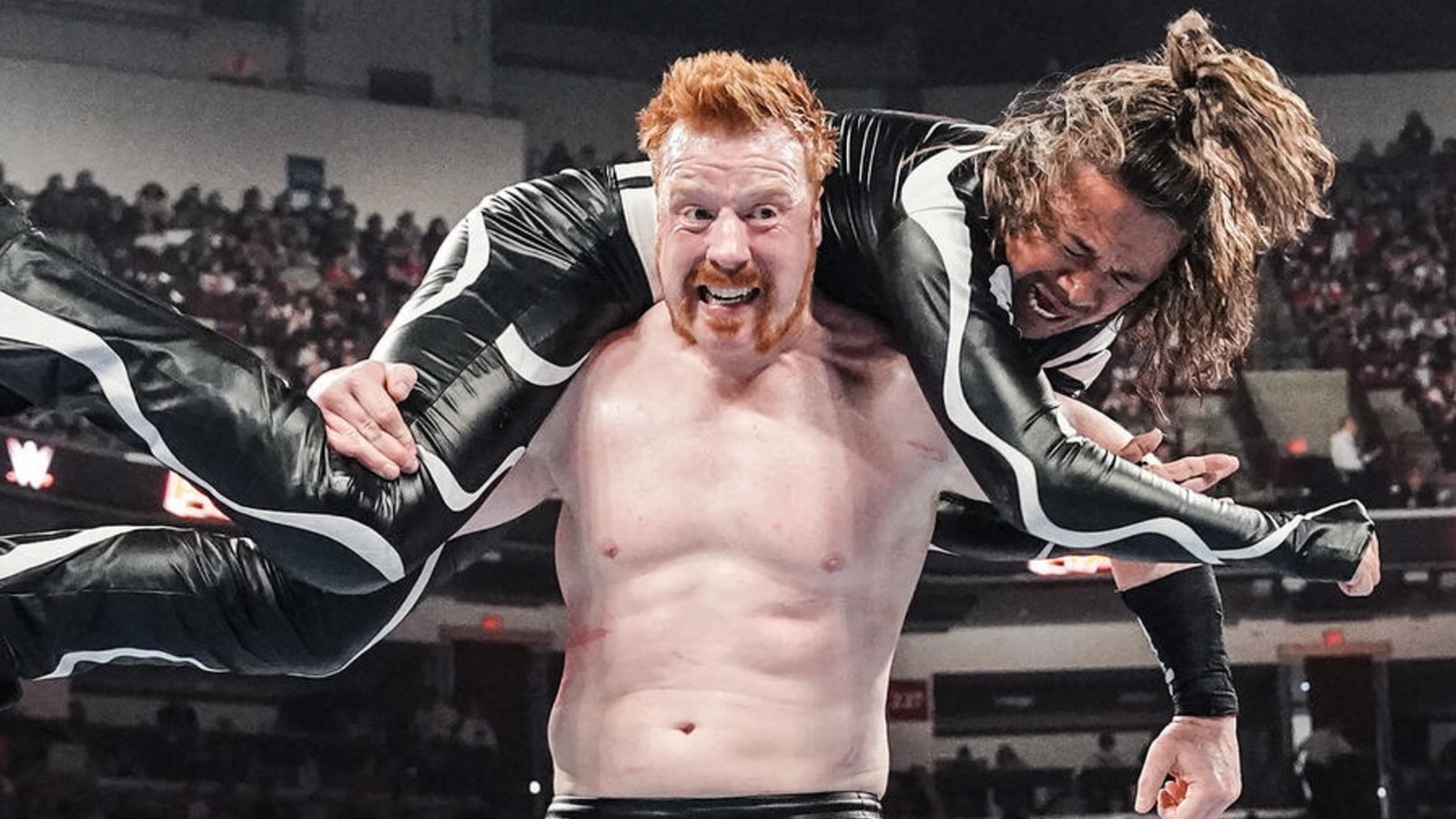
WWE is shifting its recruitment strategy by targeting organic, pre-built tag teams rather than assembling singles acts in the Performance Center. Recent reports from Ringside News indicate the company is finalizing a deal for an Australian indie tag team unit. This follows broader trends where F4WOnline confirmed interest in Scott Green and Tuckman.
Why established tandem chemistry matters
In the last decade, WWE tag divisions have often struggled with the 'slapped-together' trope, where two singles stars are paired for convenience. Statistical analysis of successful modern iterations—such as the pairing of Dominik Mysterio and Liv Morgan, as noted by WrestleTalk—highlights the value of narrative cohesion. When teams arrive with existing synergy, they shorten the developmental runway required for television readiness.
The data behind tag team longevity
Integrating pre-formed teams lowers the failure rate observed in developmental talent production. Historically, WWE has seen a high turnover in its tag divisions, with active tenures often peaking at 18 months before repackaging or dissolution. By importing Australian technicians who have worked together for years, the company aims to extend that cycle by at least 35 percent through superior execution of double-team maneuvers and natural timing.
The Australian indie pipeline
The Australian wrestling scene has become a hotbed for high-intensity, fluid wrestling styles that translate well to the current WWE television product. Indie promotions in the region often emphasize hybrid grappling, a style that aligns with recent performance metrics showing an increase in technical transitions over pure striking exchanges. Success in this market signals a departure from the 2010-era reliance on pure size, favoring cardiovascular endurance and technical versatility instead.
Critical risks in the recruitment strategy
However, this strategy is not without its pitfalls. Importing teams directly from the independent scene can lead to 'character dilution' if the creative direction doesn't match the established in-ring persona. Furthermore, the adjustment to the 20x20 foot WWE ring size and the demands of television pacing remains a hurdle for many international acts. If they cannot replicate their indie high-spots safely, their win percentage in developmental territories will likely plummet. The real challenge is determining whether their established chemistry can survive the transition to a more scripted, movement-heavy environment.