The Saturday Night’s Main Event revival is a risky nostalgia play
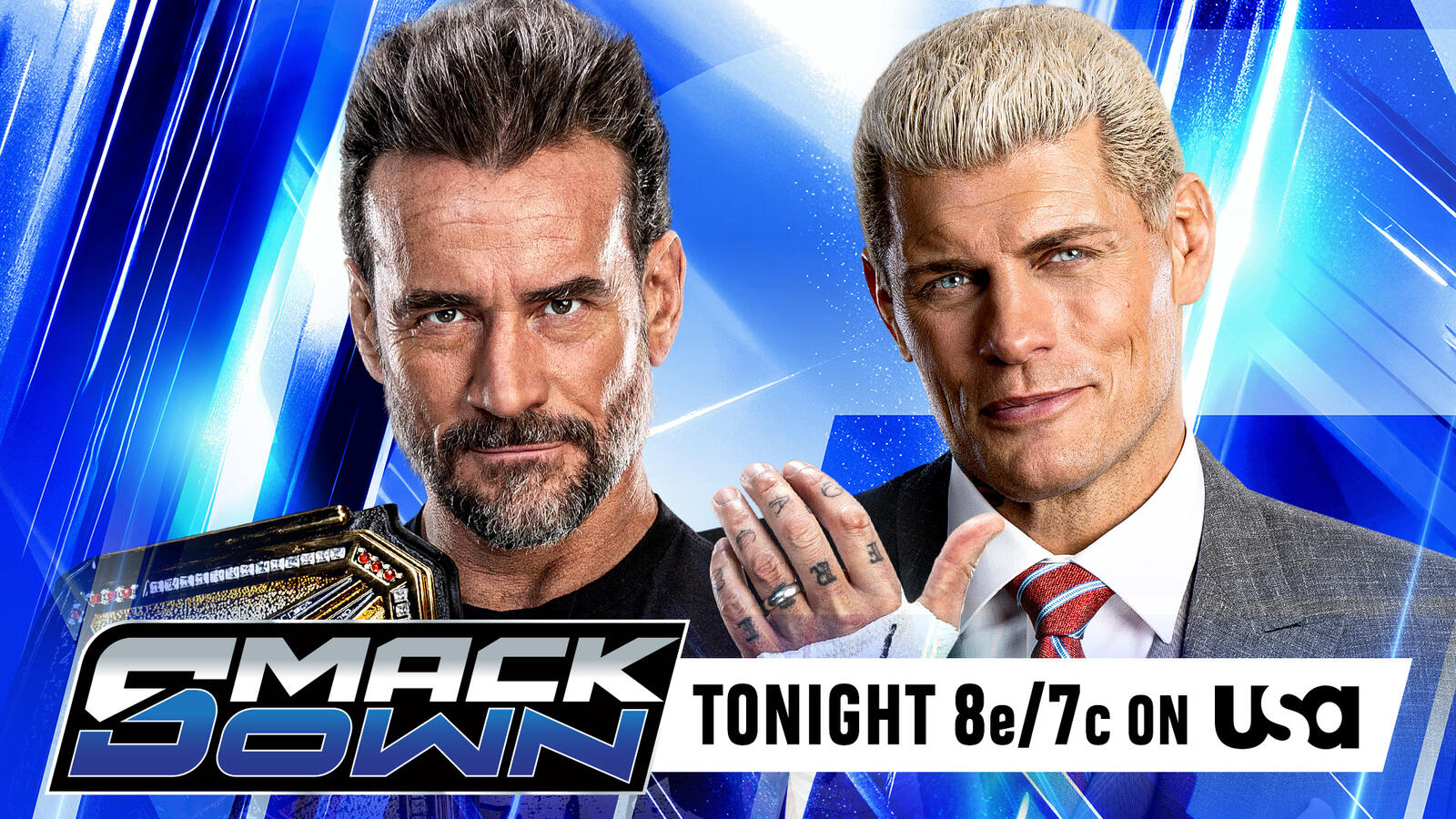
I sat through the entirety of the Wade Keller Post-Show from July 17, and frankly, my brain is vibrating like a smartphone on a glass table. Keller and Corbridge spent over two hours dissecting the latest iteration of Friday Night SmackDown, and the overarching theme is impossible to ignore. We are witnessing WWE lean heavily into the kind of high-stakes stip planning that used to define the 1980s. When you attach a massive stipulation to a Saturday Night’s Main Event special, you aren't just booking a wrestling show. You are firing a flare gun into the sky demanding that the casual audience pays attention for three hours on a weekend.
The return of this brand feels less like an ode to the past and more like a desperate need for a ratings spike. We saw this back in the mid-2000s when every random special needed a gimmick to justify its existence on cable. If the creative team misses here, this thing turns into a glorified house show broadcast with better lighting. The pressure is on the roster to ensure they aren't just jogging in place before the next big premium live event.
Sami Zayn needs more than just a dance partner
Let’s talk about Sami Zayn, because watching his creative direction lately has been like watching a brilliant musician forced to play the same three chords for months. The discussion on the Keller show regarding his future path is entirely valid. Sami is arguably the most organic babyface the company has built in a decade, but he’s currently caught in a cycle of aimless confrontations. He needs a singular, focused feud that doesn't involve him playing second fiddle to a Bloodline drama or bickering with mid-card heels.
Sami is the guy who gave us one of the best matches of the last five years in Montreal. He doesn't need to be part of an ongoing soap opera to be relevant. What he requires is a definitive, clean victory over a top-tier heel that forces the front office to treat him as a title threat, not a plucky underdog who shows up to move merchandise. If he doesn't get a clear challenger by SummerSlam, we are looking at a classic case of wasted momentum.
Rhea Ripley is the only thing keeping the division alive
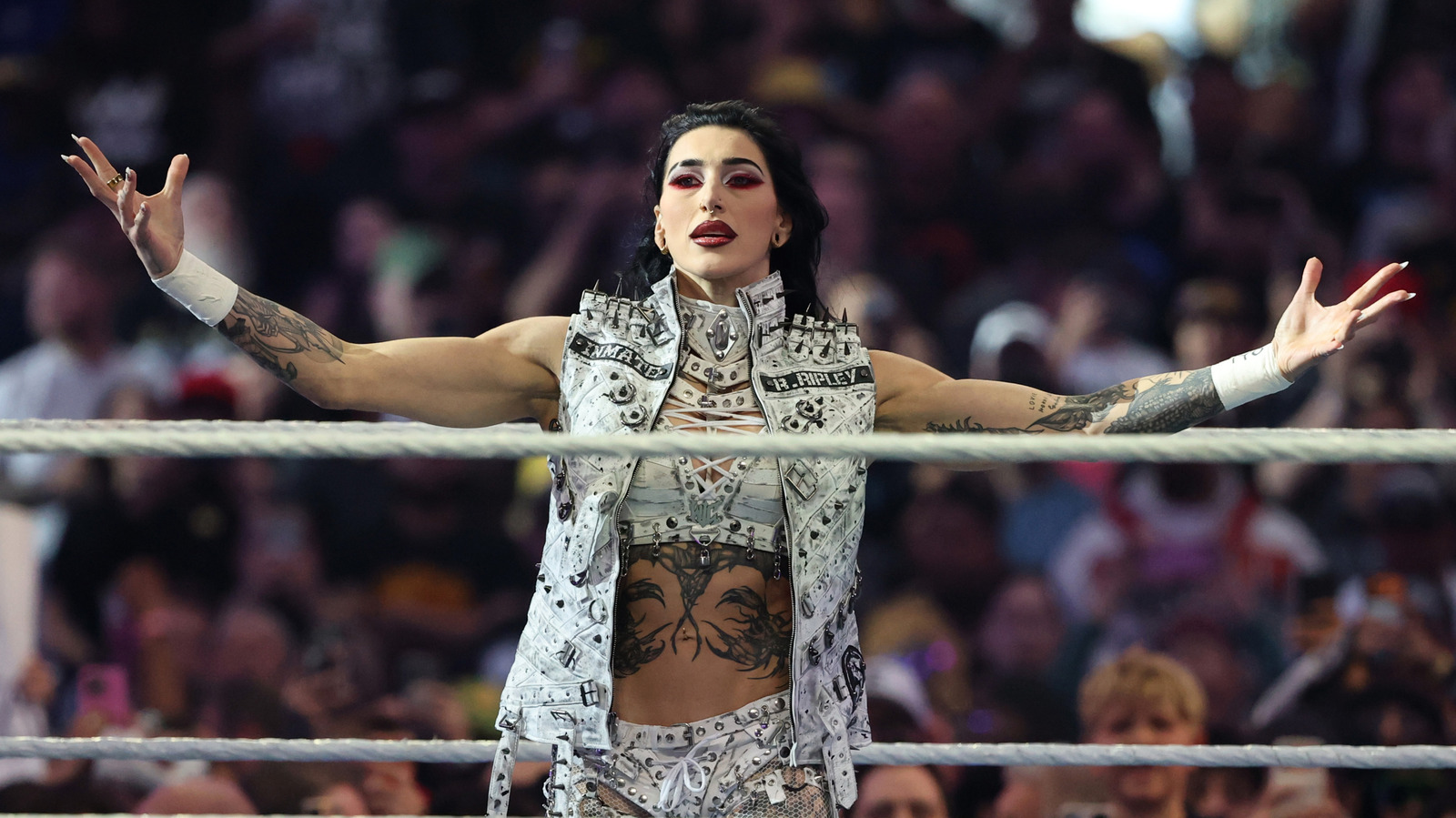
The recent announcement involving Rhea Ripley is the kind of event that makes you stop scrolling through the feed and actually tune in. She possesses a level of gravitas that the rest of the roster is frankly struggling to mimic. While others are playing with plastic props, she is portraying a character that feels like a legitimate threat to anyone standing in her path. This is a massive contrast to the creative doldrums we saw when NXT was stuck in a weird purgatory between actual wrestling and endless talking head segments.
However, we have to address the elephant in the room regarding the women's division. Relying on one or two heavy hitters to carry the weight of the entire segment is a recipe for long-term burnout. I remember when the roster was so deep that even the undercard had legitimate heat, whereas now, we are waiting for a specific superstar to show up just to make the show feel consequential. It’s hard not to be cynical when you think about how many talented performers are sitting in catering or doing nothing, while the booking relies on the same three names to drive the bus.
The danger of over-scripting the product
Keller and Corbridge hit on a key point during their deep dive: the disconnect between the in-ring work and the backstage segments. It feels like the writers are obsessed with the 'moment' rather than the 'match.' We get these 20-minute verbal exchanges to start the show, and by the time the bell rings, I’m already checking my phone. It’s a recurring issue that makes the product feel like a scripted television show with minor fight scenes, rather than a sport where the conflict is settled via physical exertion.
We need to talk about why these segments often feel flat despite the talent involved. It isn't a lack of ability; it is a lack of stakes. When you have a massive Saturday event coming up, every single match should feel like it is built on a foundation of genuine animosity. Instead, we get a lot of polite back-and-forth dialogue. As Damian Priest previously noted regarding the boundary between personal life and fandom, there’s a professional line, but in the ring, that line should be blurred to the point of extinction.
The return of these high-stakes specials is great for the brand, provided they remember that the wrestling is meant to be the draw. I am genuinely pumped for the next few weeks of programming, but I am keeping my expectations in check. We have seen this company before: they announce a grand vision, get distracted by a shiny object, and forget to pay off the story they told us 48 days ago. Unless they capitalize on the momentum they’ve built, this will just be another footnote in a year-long story, instead of the climax we deserve.