The Hierarchy of Impact
Professional wrestling is defined by the moments that rupture the standard narrative. These ten instances represent the shift in power, sentiment, and long-term booking strategy that shaped the last decade of the industry.
The Critical List
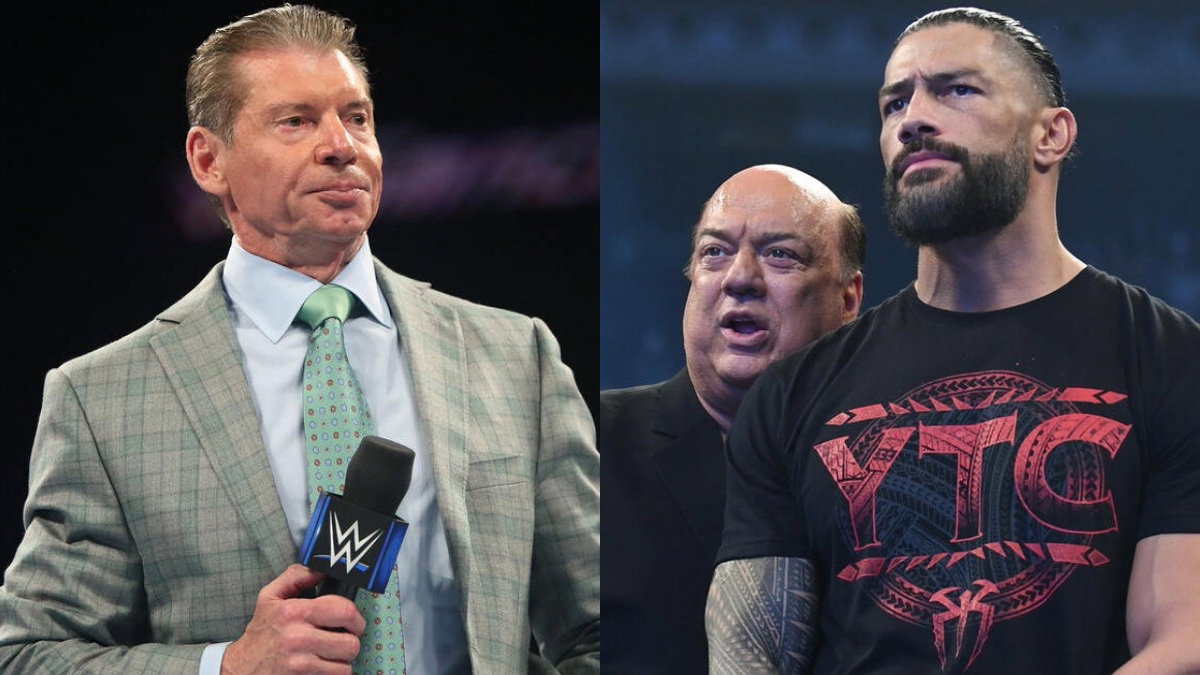
- Roman Reigns pivot to Tribal Chief (2020). This move rescued his career from a stagnant babyface run that the audience rejected for years. By embracing the villain dynamic, he turned into the most effective character in 20 years. The move solidified his status as the industry's primary draw and remains the high-water mark for character reinvention. Critics argued it was too late, but the box office receipts prove otherwise.
- Cody Rhodes finishing his story (2024). The arc from mid-card departure to industry leader is unparalleled since Austin. Watching him secure the championship finally validated the legitimacy of an alternative promotion that initially challenged the market leader. It functioned as an emotional catharsis for a fanbase that felt burned by previous booking choices. While it could have been messier, the execution was near perfect.
- The Undertaker Streak ending (2014). Brock Lesnar pinning him at the Superdome remains the most shocking visual in sport. Fans were physically stunned, sitting in silence while the arena screens displayed the 21-1 count. It forced a re-evaluation of how legendary assets should be handled. Many still debate if it actually served Lesnar enough to justify the history lost as reported in recent retrospectives on career longevity.
- Daniel Bryan at WrestleMania 30 (2014). This was a fan-led revolt against corporate inertia that forced the promotion to change a main event on the fly. Bryan winning both bouts redefined the possibilities for smaller performers in a heavyweight-dominated world. It proved that crowd sentiment could overcome a locked-in booking board. It remains the gold standard for organic success.
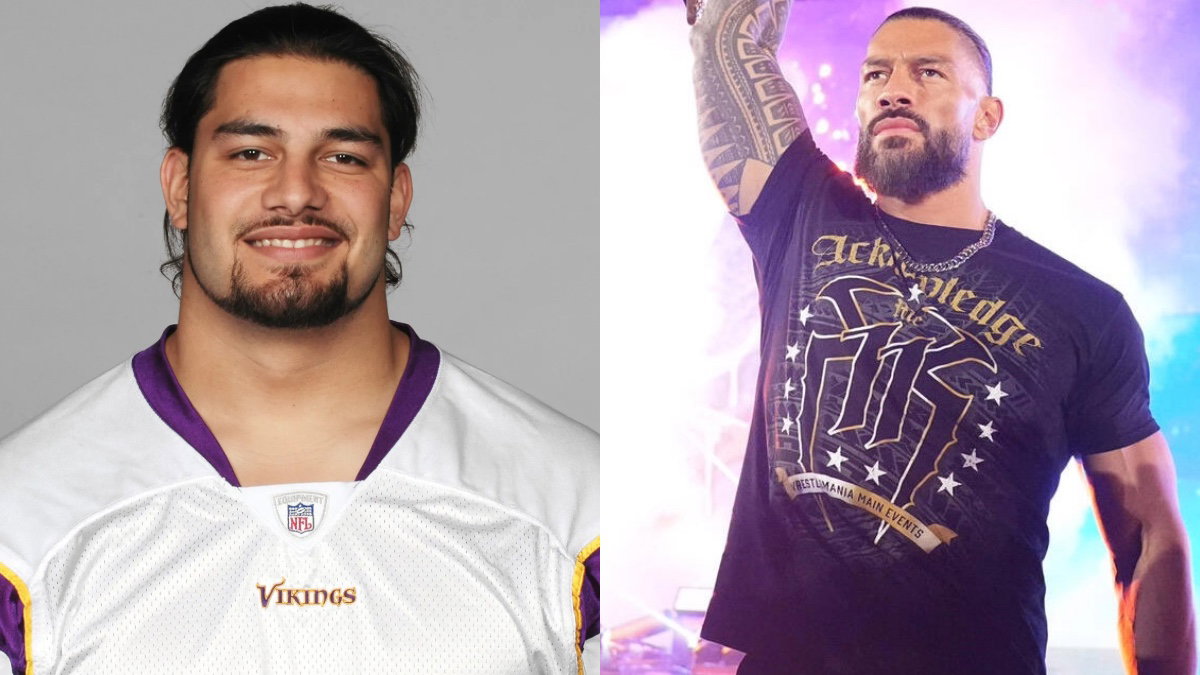
- Roman Reigns leaving the gridiron (2008). As documented in recent interviews, Reigns was forced out of the NFL due to a leukemia diagnosis which redirected his entire life. This pivot from a backup football player to a cornerstone of wrestling is the catalyst for the entire modern era. It highlights how personal tragedy often dictates the absolute peak of industry talent. Without that exit, the current hierarchy simply does not exist.
- CM Punk pipebomb (2011). This moment dismantled the fourth wall during a time when the product felt sterilized and stale. Punk gained permanent status as a cultural figurehead by articulating the exact frustrations the fanbase held. It forced a shift toward reality-based storylines that dominated the following three years. The execution was so sharp it felt dangerous, though the company failed to capitalize on the momentum by dropping the ball in the follow-up.
- Becky Lynch at Survivor Series (2018). A stray strike from Nia Jax resulting in a broken nose created a photo opportunity that elevated Lynch into the stratosphere. She turned a genuine injury into a career-defining visual that demanded she headline the show regardless of plans. It forced the hand of management to deliver a triple-threat finale. It was lightning in a bottle captured during a live broadcast.
- Goldberg vs Lesnar at Survivor Series (2016). A 86-second squash match that completely defied expectations of an epic, bloated main event. By keeping it short and physical, they created a buzz that led to a massive financial windfall later. It challenged the assumption that long matches are inherently better. It also proved that nostalgia can be a massive revenue driver if handled with extreme brevity.
- Kenny Omega and Bryan Danielson (2021). The arrival of an elite technician in a competing territory signaled a massive change in the competitive marketplace. This match was the pinnacle of in-ring work rate and set a new standard for quality expectations. It forced competitors to raise their own production bar to maintain relevance. Sometimes, the business gains more through competition than through a closed-loop monopoly.
- The shift to weekly episodic variety (2019). The transition toward a more frantic, high-speed style of wrestling shifted how audiences consume the product. It moved away from technical storytelling toward high-impact sequences designed for social media clips. While it increased engagement, it also stripped away the psychological nuance of better eras. Most matches now feel like a compilation of high spots rather than a coherent story.
The Big Picture
Great moments in this business are rarely accidental. They function at the intersection of fan frustration, performer ambition, and the sudden failure of established plans.
Honorable Mentions
The Money in the Bank cash-ins remain a chaotic staple, yet often struggle to provide a lasting legacy beyond the initial pop. Kevin Owens turning on Jericho during the Festival of Friendship also narrowly missed this list due to the weak booking that followed the reveal. These moments remind us that the best ideas are often only as good as the writers who have to resolve them the following week.