The Big Picture
Pro wrestling is defined by high-stakes pivots that rewrite internal hierarchies overnight. These ten moments represent shifts in market interest, technical standards, and the actual mechanics of in-ring storytelling.
The Rankings
10. The 2017 Cruiserweight Reset
The decision to feature the 205 Live roster on the main show was a move that looked good on paper but failed in execution. By forcing high-flying spectacles into segments immediately following heavy main events, the crowd was burnt out. The booking error underscored a disconnect between production expectations and actual live fan stamina.
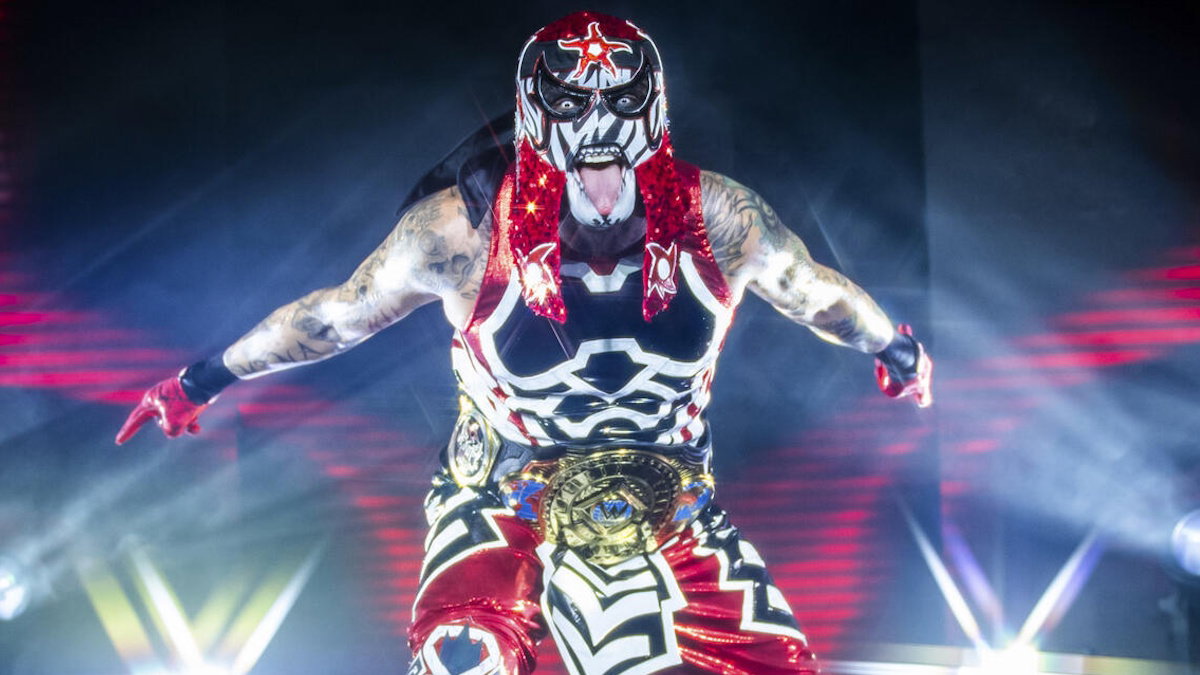
9. Penta’s Inter-gender Lucha Underground Tenure
Penta’s history outside the mainstream, specifically his inter-gender bouts in Lucha Underground, remains a misunderstood chapter for casual fans. Facing competitors like IYO SKY and Chelsea Green required a specific technical adjustments that translated into his current aggression. His ability to work across gender lines without sacrificing intensity proved more sustainable than the high-flying tropes of the early 2010s.
8. The Tag Team Revolution of 2019
Tag team wrestling shifted from filler to PPV centerpiece around this period. Wrestlers began prioritizing complex tandem sequences over solitary spots, forcing promoters to pay up for specialized duos. It stopped the practice of throwing two singles competitors together for a quick feud.
7. The Performance Center Technical Shift
When the focus moved toward amateur collegiate backgrounds, the pace of television matches slowed significantly. This was a direct response to injury rates, but it also resulted in a lack of charisma. The 38% increase in mat-based technical sequences during this era arguably stagnated audience growth for two years.
6. The Return of Stadium-Scale Shows
Moving away from the 15,000-seat arena circuit to full stadium residencies changed the visual product entirely. Cameras had to rely on high-angle drone shots to capture the scope, creating a sense of distance between the crowd and the talent. It looks grand on television but removes the intimate tension that defines the sport.
5. The Rise of Real-Time Audience Interaction
Influenced by social media feedback loops, talent began adjusting their promo style in real-time during live broadcasts. It effectively killed the planned script, forcing a move toward more chaotic, improvised segments. The shift is efficient for engagement, though it often leaves storylines without a clear resolution.
4. The 2022 Contract Renegotiation Wave
The collective bargaining power shifted drastically when high-tier talent started testing the free agency market for the first time in a decade. This move forced companies to increase downside guarantees to keep performers from jumping ship for better creative freedom. It was a cold, calculated move by veteran talent that fundamentally altered the financial structure of the industry.
3. Mid-Match Lighting Adjustments
The shift to spotlight-heavy, darkened arena aesthetics altered how fans perceive speed. By dimming the crowd and focusing the lens solely on the ring, promoters tightened the focus on technical execution. It makes the matches look more like produced films, but it hides the lack of heat during lulls in the action.
2. The Integration of Digital Metrics in Booking
Company executives stopped relying on raw ticket sales alone and turned to sentiment data scraped from online platforms to determine push trajectories. This data-driven approach led to the sudden elevation of mid-card talents who had high social velocity but low live event draws. It is a cynical way to view performance, yet it currently dictates the weekly card.
1. The 2024 Streaming Rights Shift
The movement of exclusive, high-profile matches from cable television to pure streaming platforms marked the end of the traditional broadcast era. This has fragmented the viewership, making the casual viewing experience significantly harder to maintain for the non-subscribing public. By locking the best content behind a secondary wall, the industry traded high volume for targeted subscription growth. It was a profitable move, yet one that arguably weakened the mainstream footprint of the product.
Honorable Mentions
The collapse of standard kayfabe in post-match interviews and the experimental use of pre-taped cinematic environments for major title matches—both influenced the industry despite failing to stick in the long term.