The voice of a generation faces his biggest fight
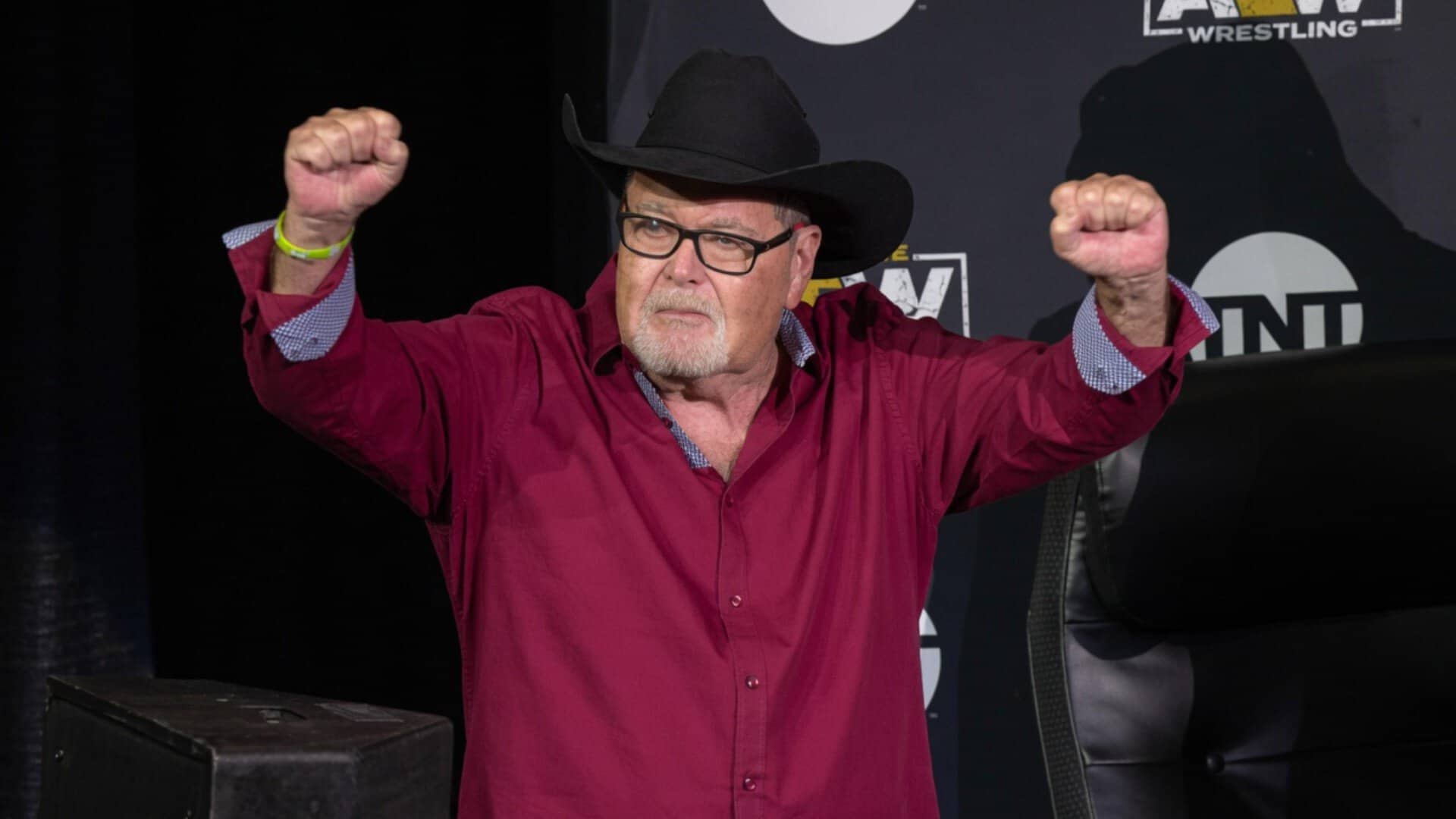
If you grew up watching wrestling in the late nineties, the sound of Jim Ross screaming into a headset is practically woven into your DNA. He wasn't just calling matches; he was the primary emotional conduit for every chair shot, every pedigree, and every beer-swilling stunner that defined the Attitude Era. Now, the news that JR is set to undergo brain surgery hits different than your average wrestling injury report.
We are talking about a man who has already stared down Bell’s palsy, skin cancer, and more corporate chaos than any human should be forced to endure. It feels like the wrestling world keeps asking him for one more miracle, one more broadcast, one more night of calling the action at the desk. At this point, the man has earned the right to go fishing in Oklahoma for the rest of his natural life, yet he remains glued to the industry that put him through the wringer.
The irony of the hardest worker in the room
There is a cruel irony in watching the people who built the foundation of modern wrestling struggle with their health while the machine they built keeps churning. When you revisit the high-octane energy of his commentary during the infamous 1998 King of the Ring, it serves as a stark reminder of how much of his physical and mental battery he poured into the screen. He was the anchor during the Monday Night Wars, keeping the ship upright even when the booking got absolute dog-water levels of nonsensical.
Some might argue that AEW should have let him step back years ago, perhaps even after the initial health scares popped up in 2021. You see him struggling to find the words on a live telecast during a high-stakes title match, and it pulls you out of the action because you know you are witnessing a legend laboring under immense duress. It is difficult to watch the sausage-making of professional sports broadcasting when the lead anchor is clearly battling far bigger demons than the heels in the squared circle.
A career measured in scars
This upcoming procedure isn't some minor tune-up. It is a terrifying reality check for fans who treat these icons as immortal creatures who will always be behind the microphone. We act like they are parts of the set design, like the announce table or the ring ropes, but they are flesh and blood. JR has taken more metaphorical—and literal—bumps than half the roster on the current AEW payroll, standing firm while Vince McMahon toyed with his professional livelihood for decades.
His career trajectory is a messy, violent, and brilliant story that makes recent industry developments look like small potatoes in comparison. From being famously humiliated on live television to becoming the voice of the competitor that finally forced the industry to modernize, everything he did had a weight behind it. Even when he was clearly out of his element calling moves he didn't recognize, he had a gravelly sincerity that modern commentators usually lack.
The final take
We are at a point where the history of this business is being written in hospital charts as much as it is in the ring. The toll exacted on these performers and support staff is 100 percent real, and we have to stop romanticizing the grind. It isn't brave to work through brain surgery; it is a symptom of a business that doesn't know how to let its heroes retire with actual dignity.
I hope the surgery is a resounding success, if only so he can eventually walk away from the headset for good. Wrestling fans are notoriously selfish, we want that 'Boomer Sooner' commentary until the heat death of the universe, but enough is enough. JR has given the fans more than a lifetime of moments, and if he never calls another match, we should be the first ones to tell him to put the mic down and go home. That is the only logical move left on the board.