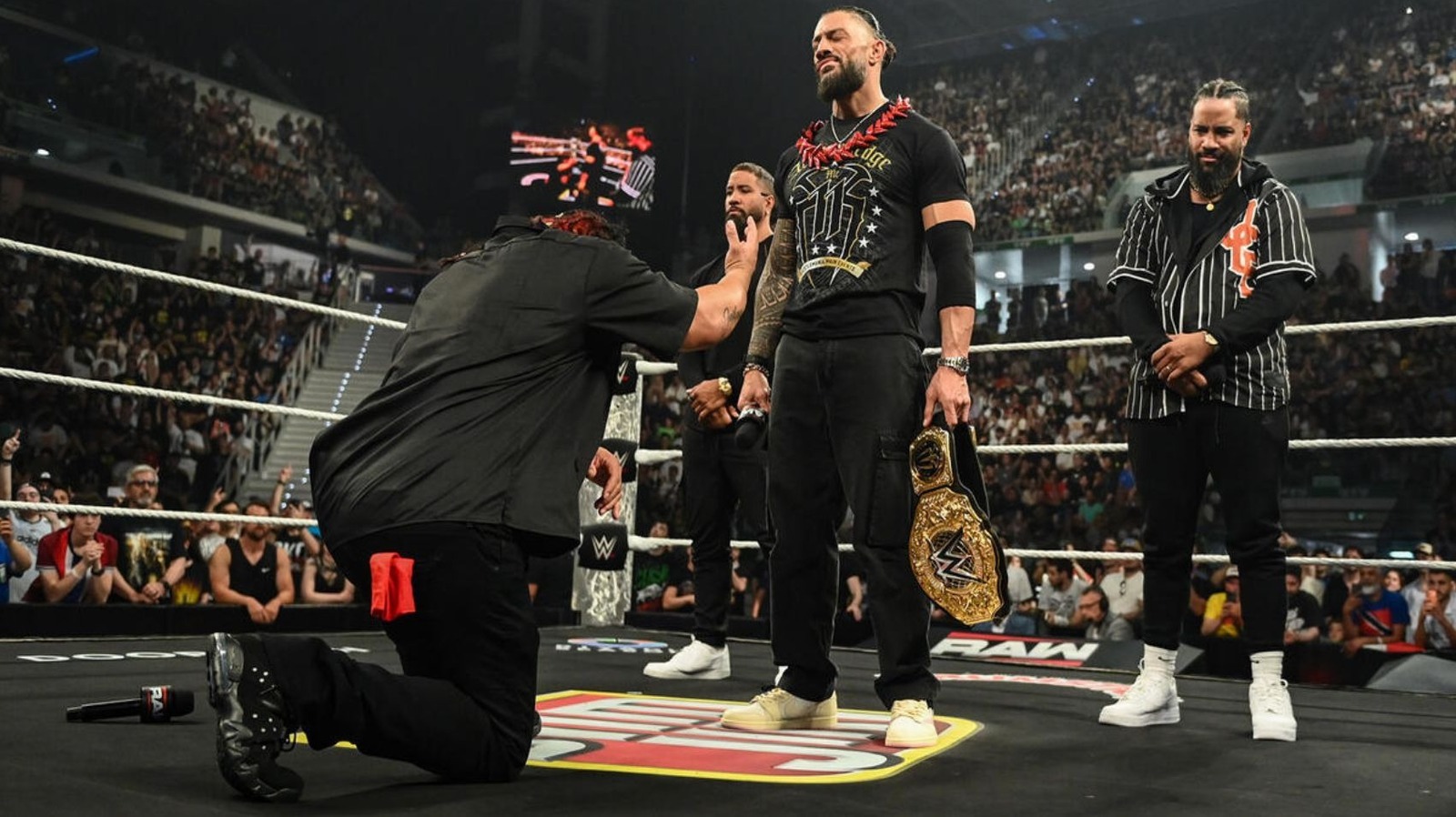
The Monday night slide is hitting dangerous levels
If you checked the Nielsen numbers for the June 1 episode of Raw, you probably did a double-take. We are post-Clash in Italy, a show that felt like it should have launched a rocket under the product, yet the viewership charts look like a crypto-crash graph. Despite leaning into the heavy artillery with the start of the King and Queen of the Ring tournaments, the audience continues to pack their bags and head for the exits.
It is not just a dip; it is a consistent drip-feed of attrition. You look at the post-premium live event window, and historically, that is your high-water mark for engagement. When the audience doesn't stick around to see the fallout of a major international show, you have to look at the booking. It feels like the company is spinning its wheels in high gear.
Tournament booking that feels like a chore
Let’s talk about these King and Queen of the Ring tournaments. They are supposed to be a prestige builder, a way to elevate mid-card talent into the main event orbit for the summer. Instead, it feels like we are watching a procedural drama where the outcome of every match is broadcasted three weeks before the bell rings.
When you use a tournament to fill three hours of television, you need stakes. You need characters clashing, not just choreographed spots without a thread connecting them to the larger narrative. If I am the viewer, why am I investing in a quarter-final match when the creative direction feels like a placeholder for the next big PLE?
The pacing is stagnant. You have wrestlers trading near-falls that nobody buys into because the heat isn't there. You can have all the 450-splashes and superkicks in the world, but if the crowd stays silent because they don't care about the bracket, the match is dead on arrival. It is lazy booking to assume the tournament format alone does the heavy lifting.
The international expansion hangover
The company is chasing global growth with these massive stadium shows, but the weekly grind in the States is paying the price. Clash in Italy was a spectacle, sure. But look at the ratings report provided by Wrestling Inc; that momentum failed to translate into a sustainable domestic audience. The show feels detached from the fans at home.
Maybe it is the time zone difference making the recaps feel like a history lesson rather than live action. Maybe it is the disconnect between the spectacle of an international venue and the reality of the weekly Raw grind. Either way, the disconnect is real. You can't just slap a flashy coat of paint on the product once a month and expect the core audience to ignore a stale weekly show.
If the plan is to prioritize international stadium vibes over crafting a compelling Monday night narrative, 2026 is going to be a long year for the writers. The viewership data doesn't care about your overseas expansion strategy. It only cares about whether the show makes me want to tune in next week.
Creative needs a jolt. Right now, Raw is a slow-motion car crash of predictable finishes and cooling rosters. If they don't pivot the storylines before the summer turns into the fall, we might see the lowest numbers in the modern era of the program.