
WWE RAW is prioritizing spectacle over internal logic this June
The pacing problem in the modern RAW script
The June 15, 2026, episode of RAW arrives at a juncture where the product feels structurally thin. While the card revealed by recent spoiler reports suggests a high-energy broadcast, there is a recurring issue with how these matches connect to broader storytelling. Fans are seeing plenty of action, but the connective tissue between individual bouts remains brittle.
We are watching a product that favors the immediate visceral reaction over the long-term payoff. When talent is shuffled into matches without sufficient narrative justification, the matches themselves suffer in terms of stakes. A bout is only as significant as the reason for its occurrence, and right now, the booking team appears to be operating on a week-to-week basis.
The danger of relying on high-impact spot fests
Modern wrestling production has settled into a comfortable rhythm of fast-paced, high-spot sequences that prioritize aesthetic flair. This approach is visually impressive, yet it often overlooks the psychological elements of professional wrestling. If every match features an identical cadence of near-falls and high-altitude offense, the peaks of the show lose their distinction.
Technical proficiency is at an all-time high, yet consistent ring psychology is becoming a lost art. During the transition from standard chain wrestling to the high-stakes sequences that occupy the 15-minute marks of these matches, we often see a breakdown in selling. It is rarely the fault of the individual performers, who are clearly following the rhythm of the modern main-roster style.
The missing elements of mid-card friction
If we examine the current trajectory of the mid-card, the lack of distinct character motivation is glaring. We have seen instances where feuds are initiated with little more than a backstage stare-down followed by a match on the very next program. This is a formula that produces acceptable television but fails to generate true investment.
Contrast this with instances where performers have time to build tension through promos and auxiliary segments. When a rivalry lacks an underlying motive, the crowd reaction is typically muted until the final sequence of the match. For a wrestling promotion to succeed in the long game, it must invest in the segments that occur between the bell-to-bell action.
A critical look at the current creative output
The reliance on shock value and unearned rematches is where this creative cycle falters. On balance, the talent roster is deeper than it has been in years, possessing the ability to execute complex sequences at a high frequency. However, the booking rarely allows these performers to branch out from the rigid archetypes they are assigned.
The creative staff should pivot toward a more deliberate pacing strategy. By allowing for occasional slower, story-driven matches, they would provide a necessary contrast to the frenetic energy of the weekly show. If the product remains locked into this singular, high-octane gear, they risk burning out the audience's appetite for what should be the most compelling segments of the program.
WWE Elite Collection Roman Reigns Top Picks 2026 Action Figure
A highly articulated 'Original Tribal Chief' figure complete with the Ula Fala.
Frequently Asked Questions
What is the main critique of the modern RAW script?
Why does the article argue that modern matches lack impact?
How should WWE improve mid-card storytelling?
What is the current problem with WWE's booking strategy?
What effect does the current pacing have on the audience?
More Coverage
The Rock is finally done playing the political game
2 hours ago
Why the nostalgia hunt ignores the reality of the wrestling grind
2 hours ago
AJ Lee is back on screen and the IWC is losing its mind
4 hours ago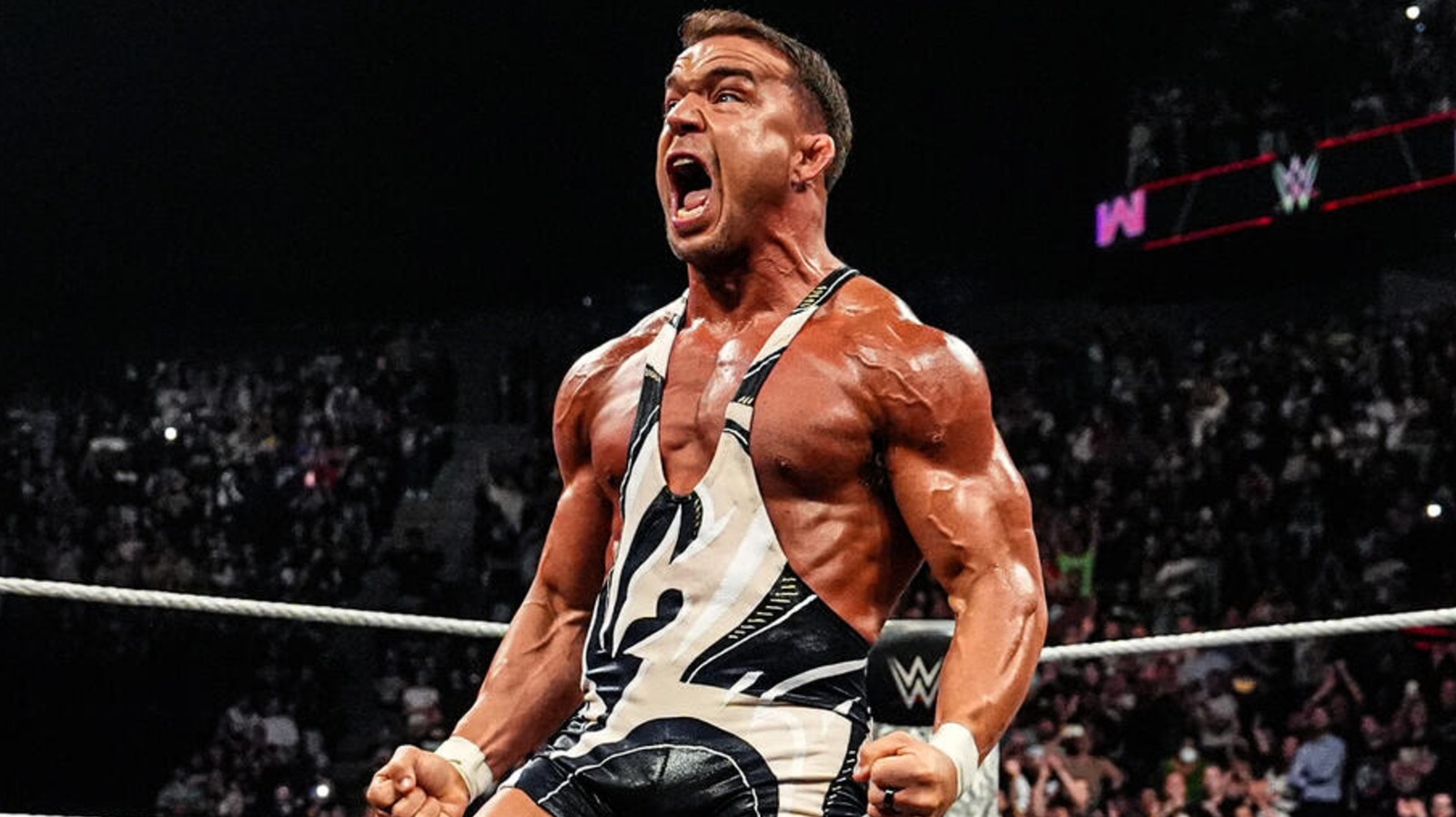
Chad Gable’s recovery hurdles and the AAA crossover fallout
4 hours ago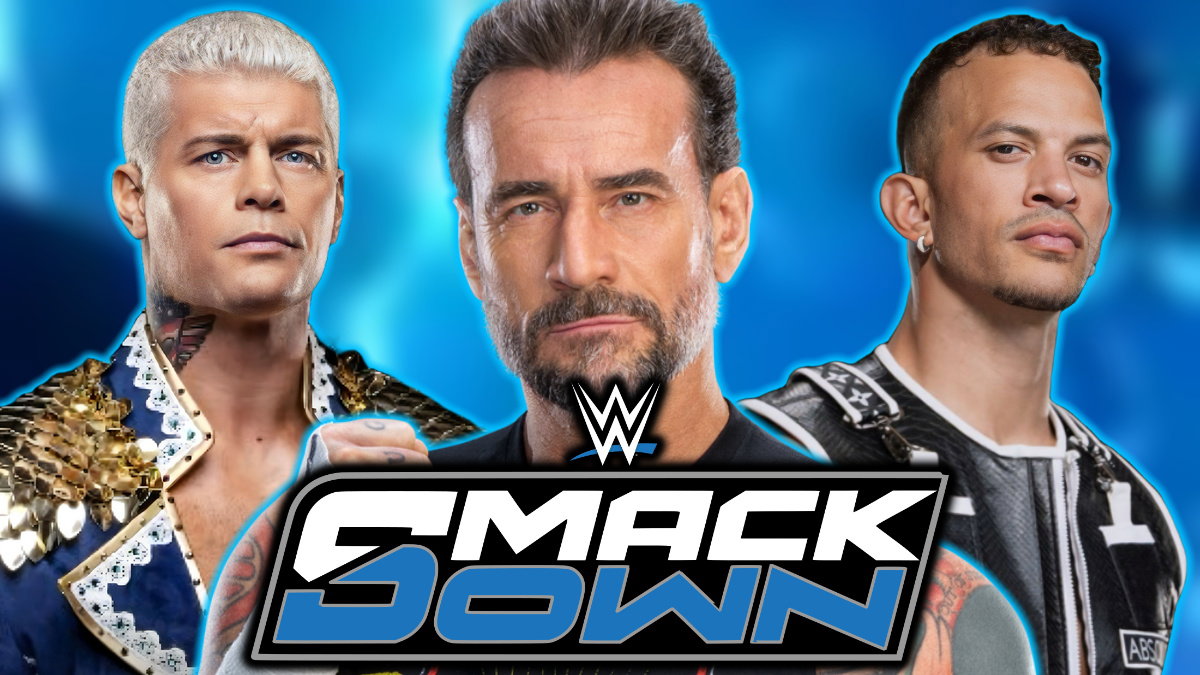
CM Punk's quiet departure from television is fueling some ridiculous fantasies
4 hours ago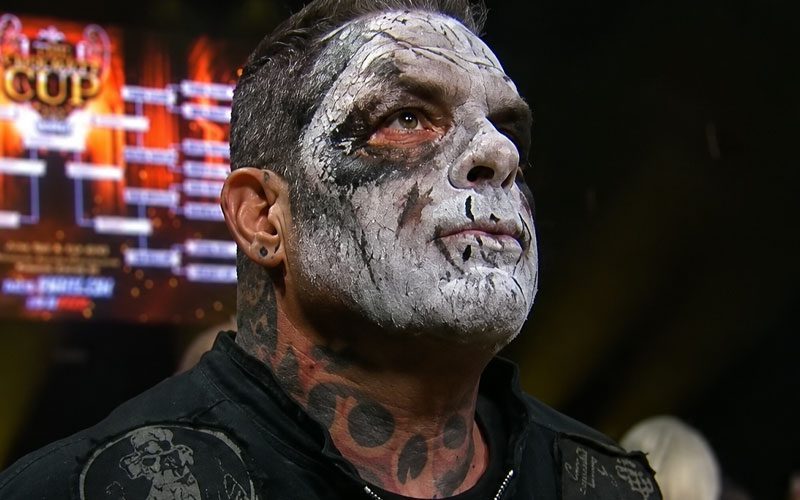
Vampiro’s return exposes the fragility of independent wrestling event planning
4 hours agoMore Analysis
The Rock is finally done playing the political game
2 hours ago
Why the nostalgia hunt ignores the reality of the wrestling grind
2 hours ago
MLW and NJPW World are finally getting hitched
2 hours ago
AJ Lee is back on screen and the IWC is losing its mind
4 hours ago
Chad Gable’s recovery hurdles and the AAA crossover fallout
4 hours ago