The Main Event Health Pivot on Monday Night Raw
Sami Zayn dropping the Undisputed WWE Championship to CM Punk on Monday Night Raw was a shocking development. It marks a swift change in WWE's approach to champion physical health and active workload management. Rather than pushing its top stars through grueling, long-term reigns when they are physically redlining, the company is prioritizing safety.
Zayn won the title just nine days prior in a brutal Triple Threat match against Cody Rhodes and Gunther at Night of Champions. Yet, the physical wear and tear of a relentless television schedule since January became too much to ignore. Zayn appeared visibly slowed and exhausted during the final moments of his match in Chicago on Monday.
With CM Punk stepping in, the title change prevented a potential medical setback. WWE is choosing short-term narrative disruption over losing key performers for months. It is a calculated gamble to keep the main event functional.
Cody Rhodes Sidelined by Brutal Backstage Assault
The chain reaction began in the opening segment of the July 6 episode of Raw. Gunther launched a vicious backstage attack on Cody Rhodes. The challenger was powerbombed through a table and had a car door slammed into his skull.
The assault left Rhodes bloodied and suffering from a severe ear laceration and head trauma. WWE medical officials quickly intervened, refusing to clear Rhodes to compete in his scheduled championship defense against Zayn. According to the PWTorch Raw Hits & Misses report, the medical team's refusal forced Raw General Manager Adam Pearce to scramble for a replacement.
While Rhodes' head trauma is presented as a storyline injury, it serves a clear operational purpose. It allows Rhodes a necessary physical break to recover from minor lingering joint issues accumulated over the spring. The company is actively keeping its top drawing card away from high-impact bumps to ensure long-term availability.
Rhodes is currently under close observation, and his status remains day-to-day. Team doctors are evaluating him for concussion symptoms before clearing him. The expected timeline for his return is roughly two weeks.
Sami Zayn and the Cost of the Modern Workhorse Schedule
Zayn's sudden defeat is a consequence of a grueling workload that started at the Royal Rumble. Since January, he has worked marquee matches against Drew McIntyre and had a physical United States title run. The schedule grew even more intense during the international touring loop in June.
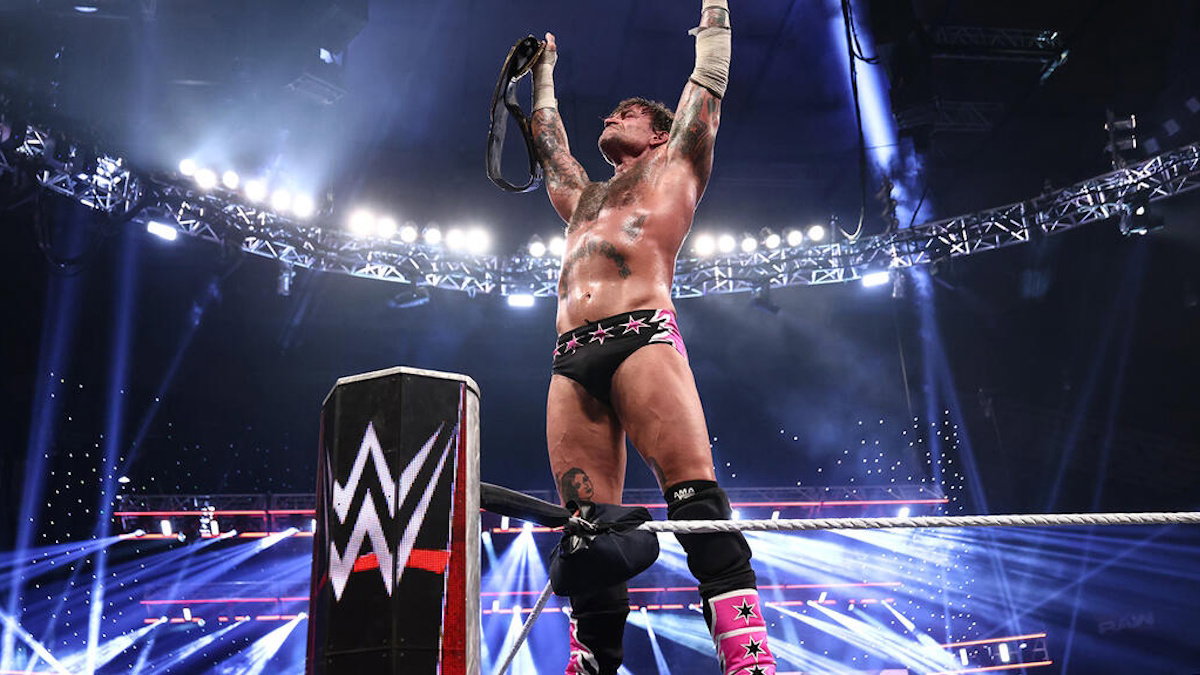
The main event match against CM Punk on Raw went for 20 minutes and 27 seconds. Zayn fought valiantly but looked sluggish, struggling to hit his usual high-energy explosive maneuvers. The finish came when Punk countered a Helluva Kick into a Go To Sleep to secure the victory.
While protecting Zayn's health is correct, the booking choice deserves criticism. Giving a performer a historic victory at Night of Champions only to dethrone him nine days later feels cheap. It devalues the championship and frustrates fans who invested in his rise.
This sudden title drop shows that WWE is backing away from historic, multi-year reigns. Long reigns require champions to work through major joint damage and severe exhaustion. The modern roster cannot sustain that level of physical punishment without breaking down.
Faction Injuries and The Vision's Tag Team Triumph
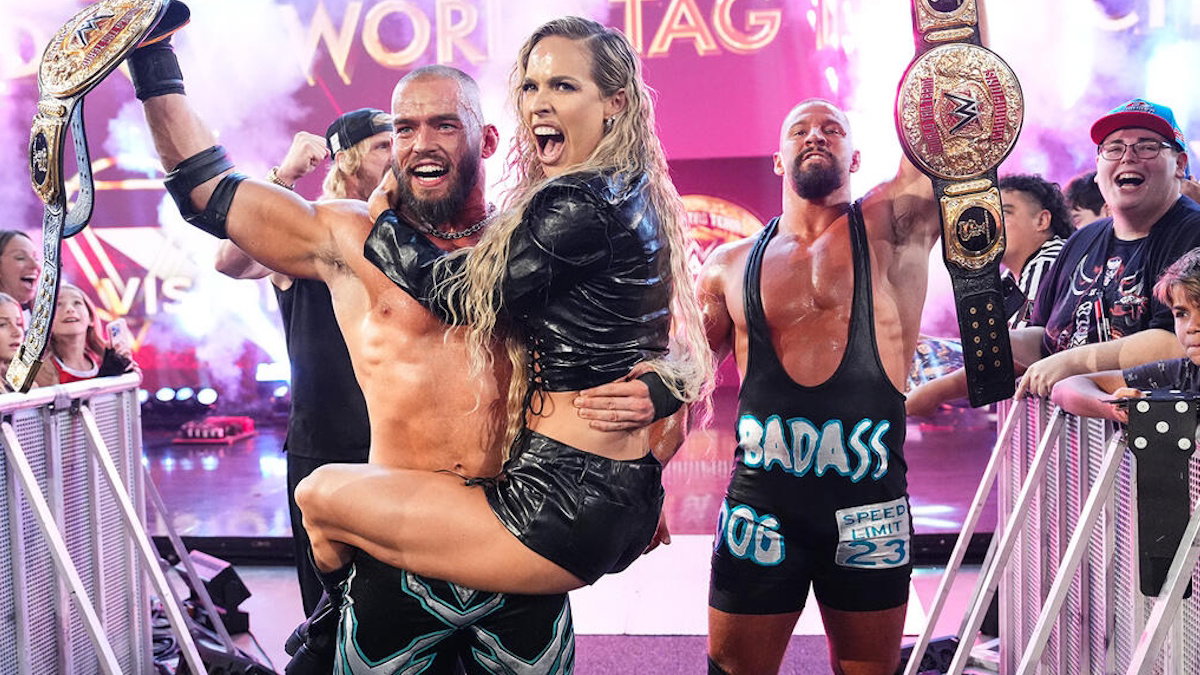
The tag team division on Raw is facing its own physical shakeups. Austin Theory and Bron Breakker, representing the dominant faction The Vision, recaptured the World Tag Team Championship on Monday night. They defeated the Street Profits after a chaotic match that highlighted the shifting dynamics of the division.
Prior to the match, Montez Ford went viral for twerking on a security guard during his entrance. As Ringside News reported, the bizarre pre-match antics distracted from what should have been a serious title defense. The Street Profits looked disorganized and dropped the titles shortly after the opening bell.
The Vision's victory received immediate social media support from their injured stablemate, Bronson Reed. The powerhouse performer has been sidelined since the February 23 episode of Raw. Reed suffered a severe distal biceps tear during a match, requiring immediate surgical repair.
Biceps tears are slow to heal, requiring a recovery window of four to six months. Reed is currently in the late stages of rehabilitation, focusing on restoring strength. Following the title win, he posted online to shut down critics, as WrestleTalk detailed.
Reed's return is estimated for late August, which would align with the six-month mark of his post-surgery recovery. The medical staff is keeping him on a strict strength-training regimen to prevent a secondary tear. His presence will add much-needed physical power back to Raw's midcard once he is cleared.
NXT Tag Division Complications and Historical Precedents
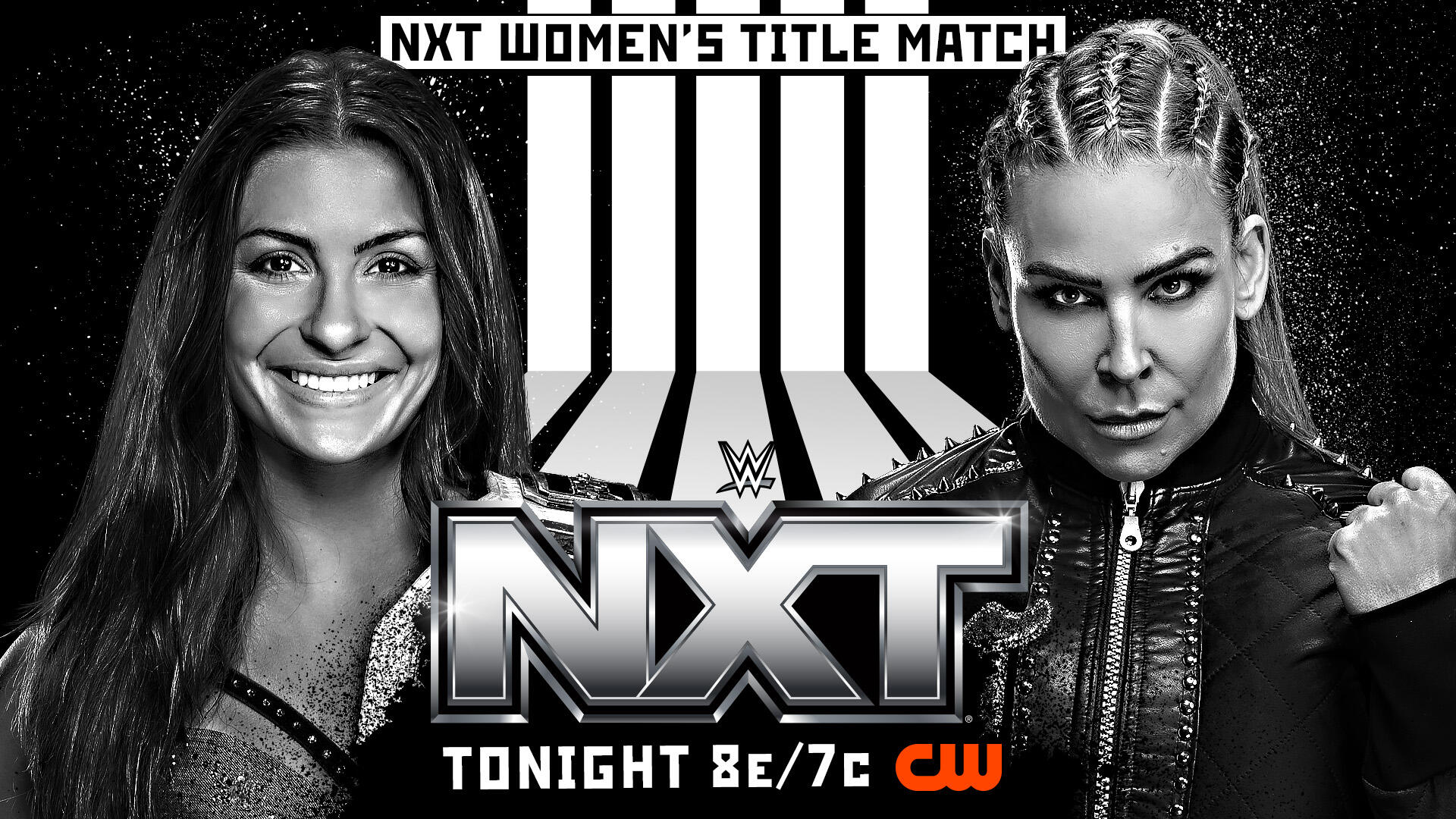
The physical and mental strain of tag team competition has also spilled over into NXT. A highly anticipated tag team championship opportunity fell apart for the faction DarkState on Tuesday night. A distraction from Saquon Shugars cost his former stablemates their shot at the NXT Tag Team Championship, as Wrestling Inc reported.
These sudden breakdowns show how physical wear and emotional friction are interconnected. When teams are traveling constantly, minor nagging injuries exacerbate backstage tensions. The NXT system is feeling the same pressure as the main roster.
WWE has faced similar main event injury crises in the past, with varying results. In 1997, Shawn Michaels famously forfeited the WWE Championship due to a knee injury rather than losing it in the ring. In 2007, John Cena was forced to vacate the title after tearing his pectoral muscle during a match.
In those historical cases, the company struggled to rebuild its booking, resulting in dropping ratings. The current management is trying to avoid past mistakes by keeping stars fresh. Transitioning the title to CM Punk keeps a marquee star active while others recover.
Workload Management Becomes the New Corporate Standard
The shift toward active health management will force a change in live event booking. Touring house shows have long been a major source of revenue, but they cause severe performer fatigue. Reducing the travel schedule for top champions is the next logical step.
Competitors like AEW are also watching this strategy as they manage their own injured rosters. The industry is beginning to realize that keeping performers healthy is more valuable than any storyline. The days of working through torn ligaments to save a rating are ending.
Ultimately, the success of this health-first policy depends on how the audience reacts. Fans want consistent storytelling, but they also want to see stars perform at their peak. WWE must balance creative continuity with the physical reality of human endurance.