A new path for main roster hopefuls takes shape
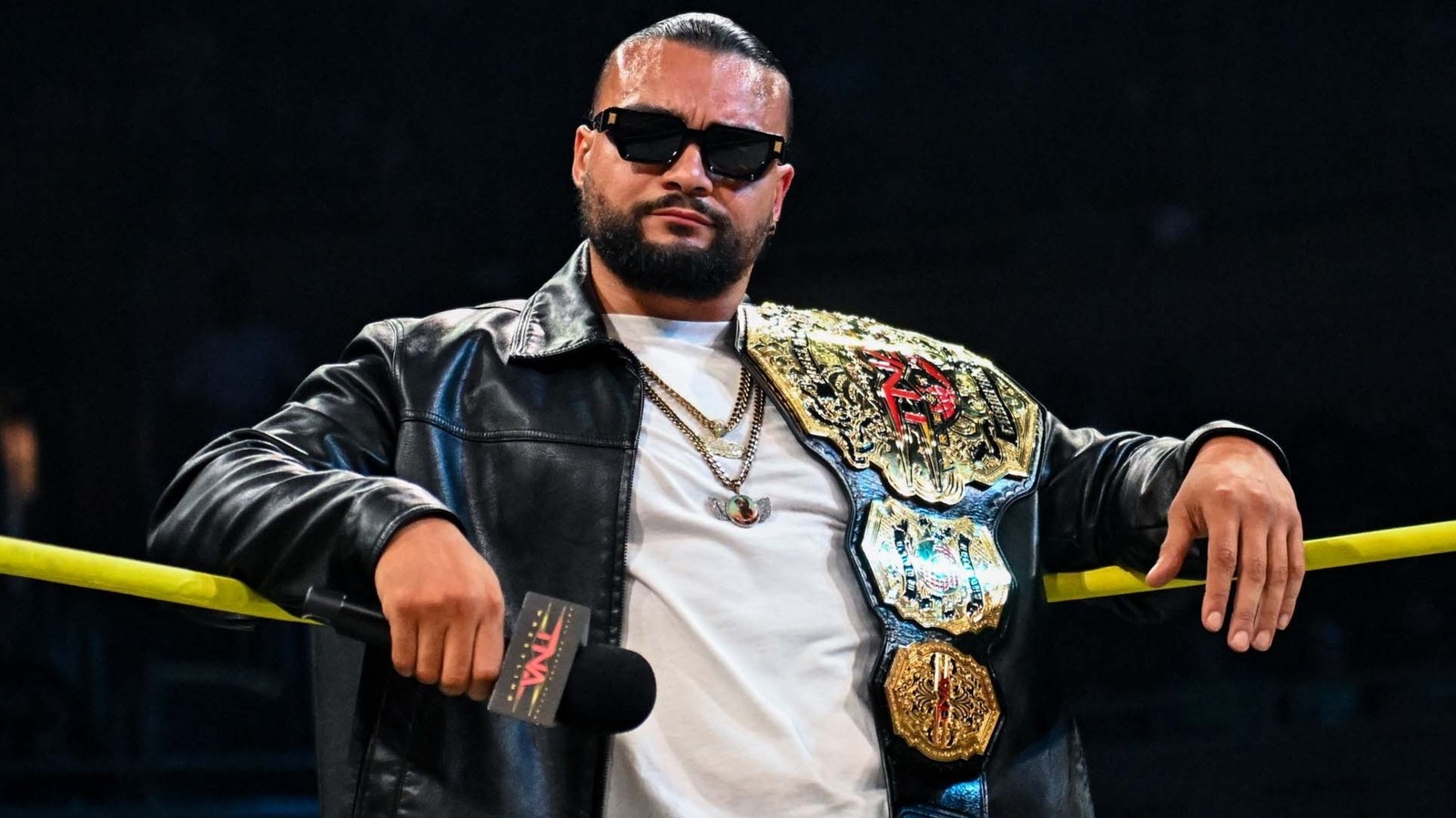
WWE is actively looking at sending additional talent to the NWA as part of an evolving developmental strategy. NWA star Kerry Morton revealed that WWE officials are maintaining close tabs on the promotion's current environment. The potential arrangement echoes historical developmental partnerships, offering talent television time without cluttering main roster storylines.
Rather than parking underutilized stars on the bench or letting them stagnate in NXT underground tapings, WWE sees an opening to build reps elsewhere. For talent struggling to break into raw broadcast time, external seasoning is quickly becoming a viable alternative.
The mechanics of developmental exile and resurrection
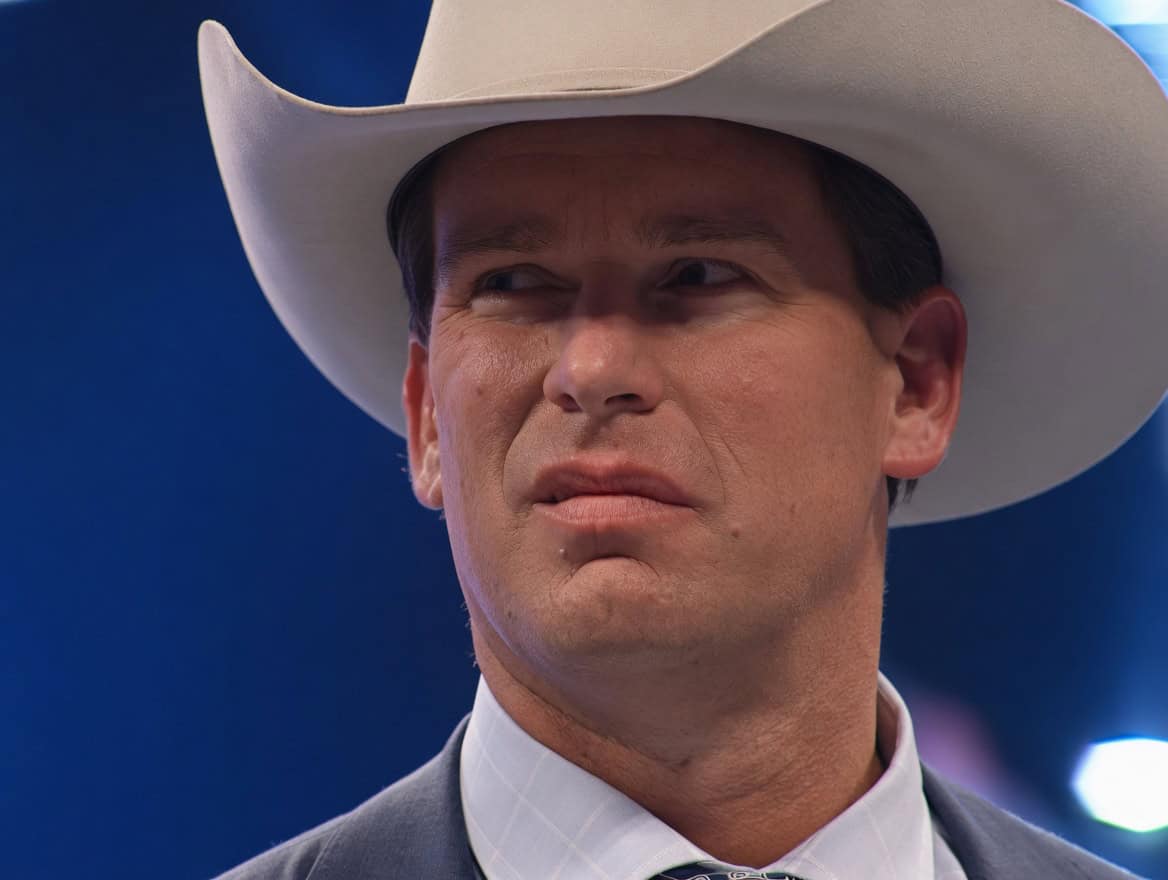
This strategy mirrors recent advice shared by WWE Hall of Famer JBL regarding talent releases and roster cuts. JBL emphasized that WWE routinely revisits talent who manage to generate momentum on their own dime outside the system. When performers draw money in alternative promotions, the parent company takes notice and brings them back through the main door.
Sending contracted talent directly to NWA events provides an immediate pressure test. Instead of working strictly within the controlled performance center environment, wrestlers adapt to varied crowd reactions and different production dynamics. It creates an explicit metric: produce results in secondary markets or risk permanent departure.
Industry ripples and the independent ecosystem
The operational ripple effects touch every corner of the wrestling ecosystem. For the NWA, receiving talent with WWE backing provides an instant boost to card credibility and marquee value. It adds recognizable names to their taping schedules while keeping production overhead manageable.
However, the strategy carries built-in friction for independent mainstays who suddenly lose spots to visiting WWE contracted wrestlers. Inserting outside talent into ongoing storylines risks disrupting organic crowd investment in regional champions. If WWE talent dominates top spots, local audiences can quickly sour on the obvious corporate crossover.
Strategic risks and historical comparisons
Historically, arrangements like ECW in the mid-1990s or EVOLVE a decade ago showed both the promise and pitfalls of working agreements. Talent got valuable television reps, but the smaller promotion often struggled once WWE pulled its talent back. If visitors get protected booking over native roster members, short-term buzz comes at the expense of long-term local depth.
Evaluating this move requires looking at actual roster logistics rather than promotional hype. WWE currently operates with a bloated talent pool, meaning dozens of main roster signees sit idle every week. The NWA partnership offers an outlet, but it remains a temporary fix for broader roster management challenges. WWE still faces the task of converting external reps into main event draws on major broadcasts.
Evaluating the long-term payoff
The success of sending talent to the NWA depends entirely on follow-through from talent relations. If returning wrestlers seamlessly re-enter WWE television with established characters, the program justifies its existence. If they return to the exact same mid-card limbo, the entire process becomes an expensive delay tactic.
For now, the option is on the table as WWE searches for working reps for its deep roster. The coming months will show whether NWA tapings serve as a genuine launchpad or just a secondary holding pen for underutilized talent.
Read Next