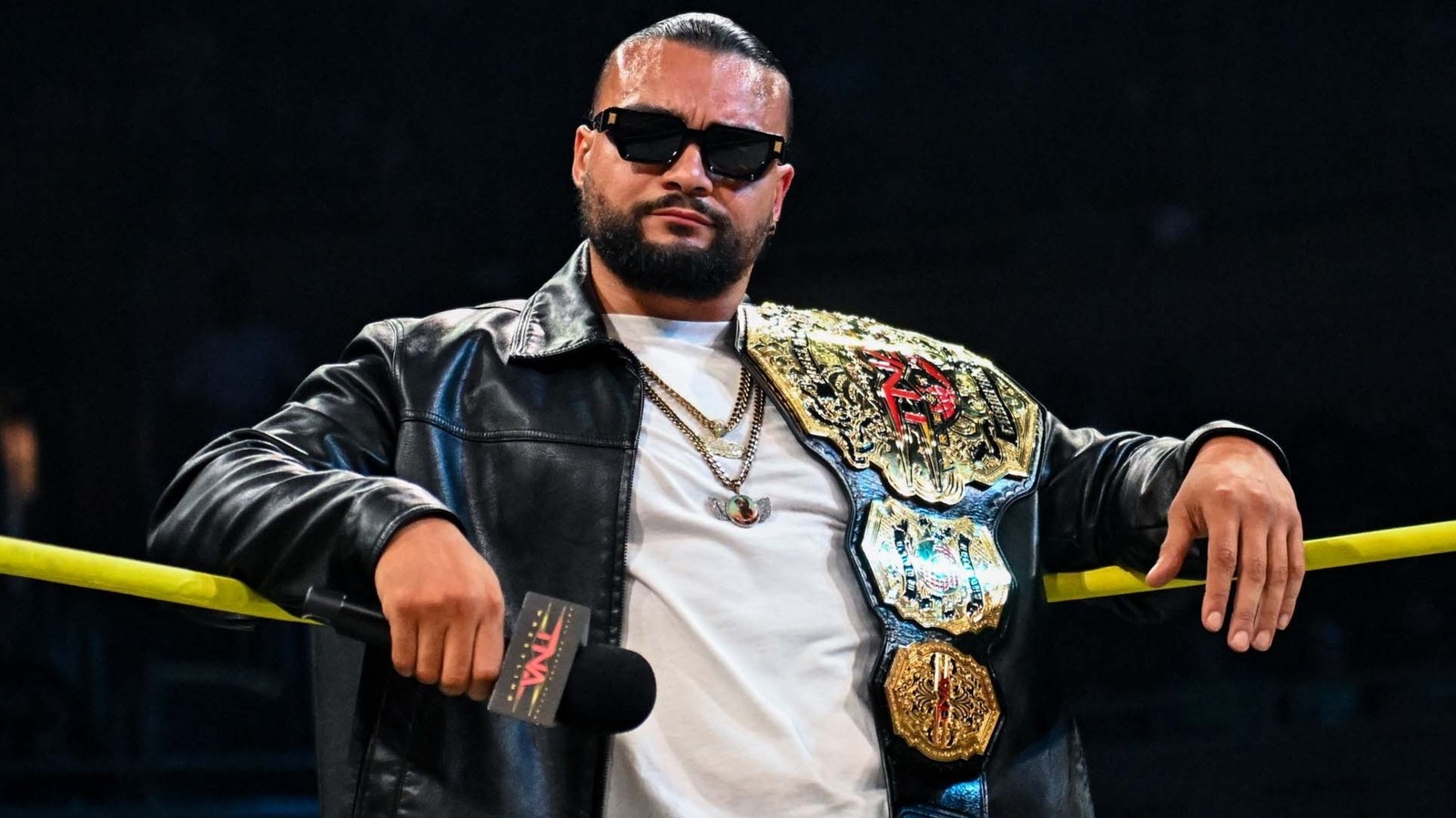
The Hall of Fame endorsement
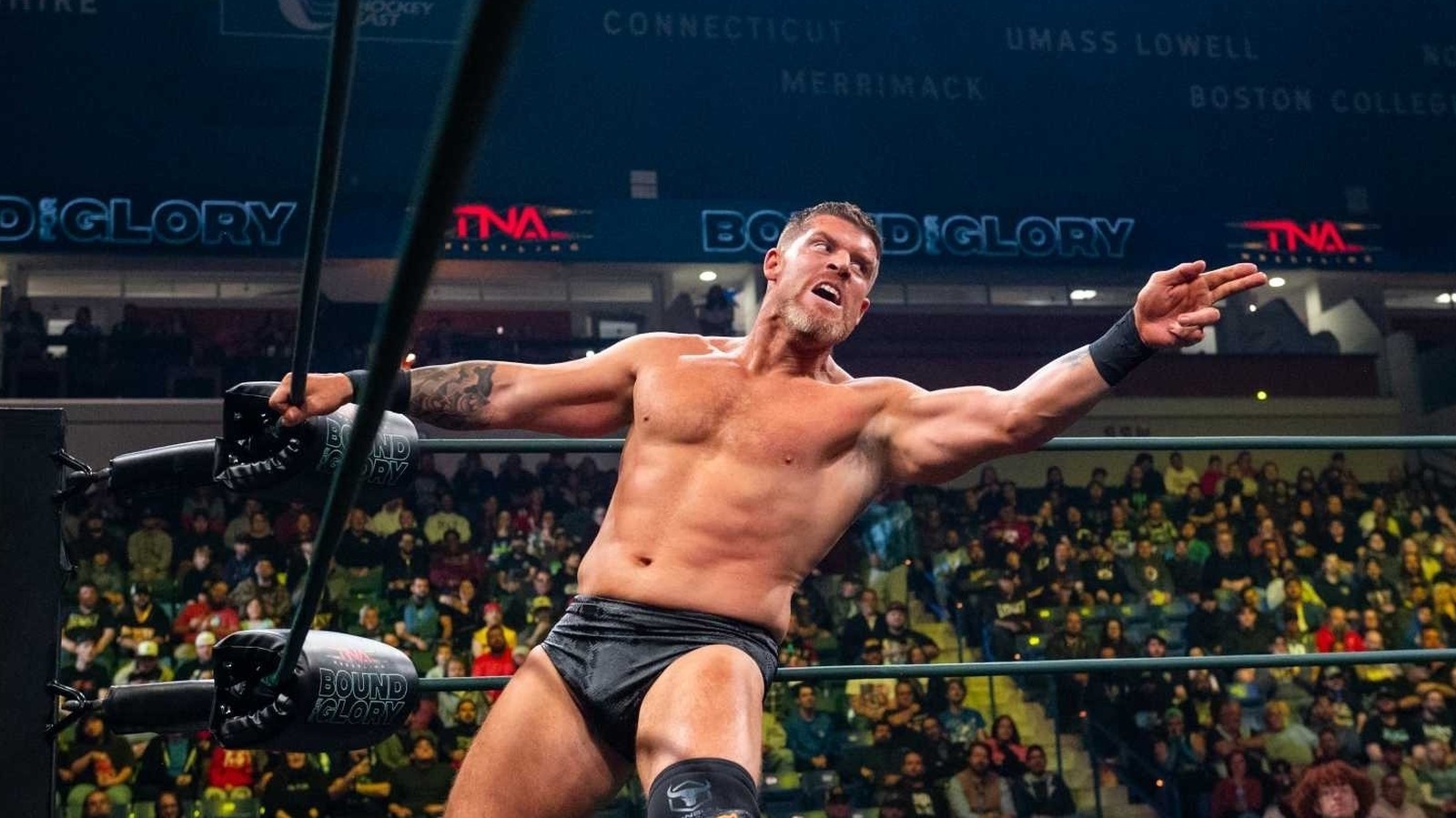
John Bradshaw Layfield is not known for handing out participation trophies. When the WWE Hall of Famer speaks on talent acquisition, the locker room listens. His latest take targets former two-time TNA World Champion Mike Santana, positioning the veteran as a prime candidate for an immediate jump to the WWE main roster.
JBL’s assessment centers on Santana’s physical presence and the seasoned intensity he brings from years in the trenches. Rather than a developmental stop at the Performance Center, Layfield argues that Santana has already logged the necessary hours to bypass the junior ranks. This reflects a shift in how legacy stars view modern free agents.
Evaluating the Santana ceiling
Santana spent significant time rising through the ranks in Impact Wrestling, where he secured top-tier hardware. His trajectory hit a crossroads after his TNA tenure, leaving talent evaluators to wonder if he represents a plug-and-play solution for brands currently craving grittier performers. JBL believes the transition isn't just possible, but a move that makes immediate sense for WWE creative.
I think he would be a great asset for the main roster.
That endorsement carries weight because it skips the usual talk of potential and focuses on current value. In a world where WWE often vets talent through NXT, proposing a direct call-up is a bold claim. It suggests that Santana possesses a level of ring IQ and character work that doesn't need to be polished in Orlando.
The risk of the fast track
While JBL’s enthusiasm is notable, the decision to bypass a developmental stint often carries hidden risks. WWE history is littered with performers who arrived with massive hype only to find themselves lost in the shuffle of raw, chaotic television booking. Without the buffer of a transition period, Santana would be under the microscope from day one.
His previous work in high-stakes tag team environments shows he can handle pressure. However, shifting to a singles identity on the main roster requires a different set of skills. Can he command a promo segment against an established main eventer like Kevin Owens or Randy Orton? That is the question leadership will need to answer before issuing a contract.
Industry impact of free agent poaching
The wrestling industry is in a state of high-stakes volatility, as noted in recent coverage of talent movement. Bringing in an act like Santana right to SmackDown or Raw signifies that WWE sees a void that veteran, independent-grown talent can fill. It pushes the narrative that independent experience is now a premium asset rather than a project for developmental coaches.
If WWE moves fast, they are effectively betting against the current internal trajectory of their homegrown rookies. It creates a friction point regarding internal promotion versus external recruitment. For now, the suggestion remains a high-profile opinion from a man who understands the company's internal politics better than almost anyone.
The booking dilemma
Inserting a new face into the rotation requires displacing someone just as talented. We have seen NJPW tournaments like the G1 keep international stars locked into long-term plans, whereas WWE tends to prefer immediate, high-impact debuts. Santana wouldn't have months to find his persona; he would need to be a fully formed product by his first curtain call.
The downside? A lack of immediate character integration could doom him to mid-card purgatory. WWE often struggles to contextualize why a new signing should be considered a threat to a reigning champion. If the creative team isn't ready to pull the trigger on a big-money push, a direct main roster entry might actually hurt his chances more than a stint in NXT would have provided.
Internal reactions and next steps
There has been zero official word from WWE creative concerning a Santana acquisition. JBL’s comments, while loud, do not constitute a formal offer. Fans might be eager to see him under the bright lights of a premium live event, but the front office values a specific type of consistency. Santana has the stats—he is a veteran of world-class matches—but the polish required for five-star arena television is a different beast.
We are watching a transition phase for the largest promotion in the world. As rosters tighten and budgets fluctuate, the margin for error for new signings has shrunk. If Santana lands, expectations will be astronomical. If he fails to hit the ground running with a compelling narrative arc, he risks being reduced to a name on a roster sheet rather than a defining talent for the next summer season.
Ultimately, the industry is watching. Whether JBL is right about a direct call-up or if the promotion decides a middle ground is safer, Santana remains one of the most talked-about names in the free-agent market. His next move will likely define his career for the rest of 2026. Keep an eye on the upcoming television cycles for any sign of a surprise entrance.