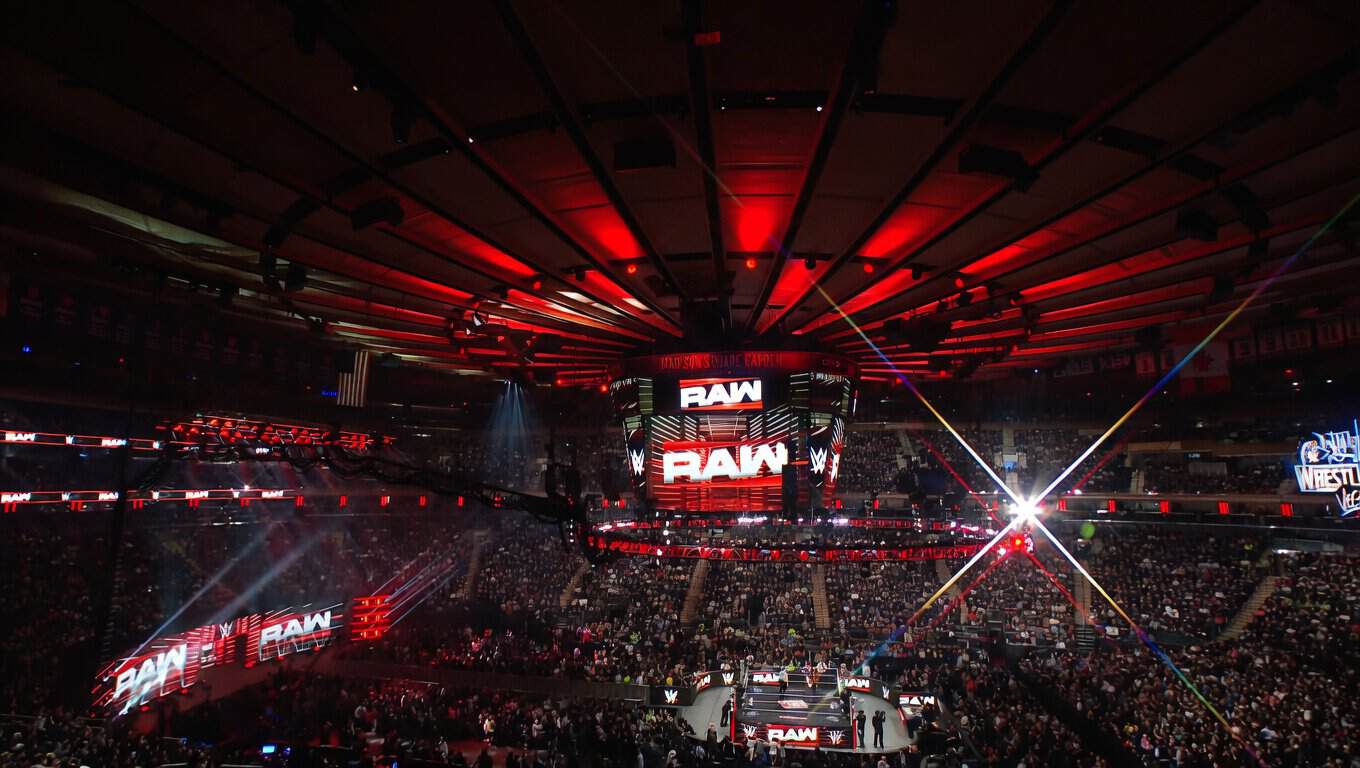
The MVP Arena attendance reality check
As of July 17, 2026, the data from MVP Arena in Albany for the latest Smackdown iteration shows exactly 6,928 tickets distributed. With a reported capacity of 17,500, the building is operating at roughly 39.5% capacity.
This figure serves as a sobering anchor for a company enjoying a prolonged period of high-profile success. While the latest PWTorch reports indicate the show is moving forward, a sub-40% sell-through rate in a major hub like Albany warrants technical scrutiny regarding booking velocity.
Connecting the dots to Saturday Night’s Main Event
The promotion is currently managing a heavy logistical load between the weekly episodic television and the Saturday Night’s Main Event card. Booking talent across high-frequency dates often leads to an dilution of local market interest.
When cards are designed around broad national appeal, local ticket sales often stall. The strategy relies on global viewership metrics, shifting the dependency away from seat-fillers in individual municipal venues.
Statistical divergence in combat sports
Contrasting the WWE figures with other professional fight entities provides a necessary baseline. While wrestling fluctuates based on touring frequency, organizations like the PFL operate on a different cycle.
As BodySlam.net notes for the Austin event, the focus is concentrated on distinct main card delivery via ESPN platforms. Measuring success solely through live house show capacity ignores that 2026 audience consumption is tethered to multi-platform digital reach rather than turnstile clicks.
The danger of over-saturation
The math behind the Albany dip is clear. WWE is running an aggressive 52-week annual schedule that effectively tests the elasticity of demand in tertiary markets every 3-4 months.
When a venue with a 17,500 capacity sits with 10,500 empty seats, the issue is rarely brand strength. It is a matter of market exhaustion. Relying on the same regional demographic to turn out 4 times a year at full price is a flawed fiscal projection.
The data suggests that the peak of the current growth phase has hit a ceiling. Unless ticket pricing models undergo a recalibration, these 6,928 distributed numbers will become the new standard rather than an outlier. Increasing the frequency of premium live events carries an inherent cost, and currently, that bill is being paid in empty sections across the country.